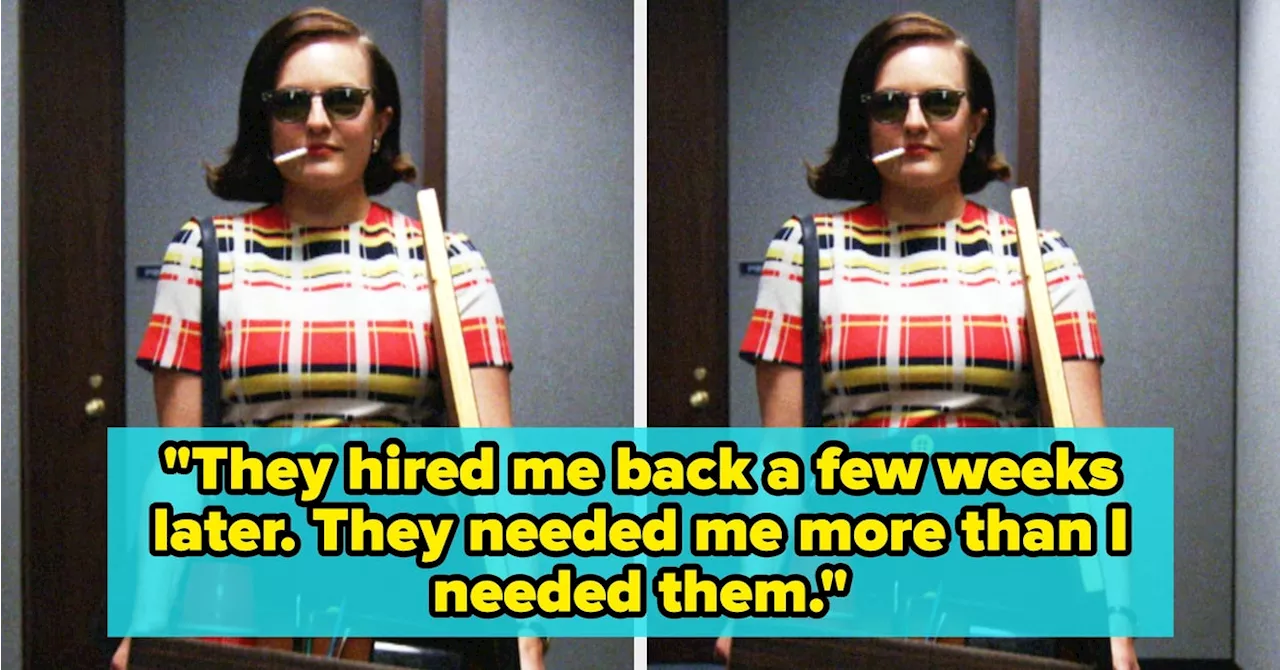
Workers across the country are speaking out about explosive moments that pushed them to quit their jobs on the spot, revealing a striking pattern of workplace mistreatment and broken promises that left employees with no choice but to walk away. The latest surge in first-hand accounts exposes how crises in the workplace are forcing Americans to take bold, instant action to protect their dignity and sanity.
One viral thread gathering over 1,000 responses reveals jaw-dropping stories, including a heartbreaking call center incident where management revoked a woman’s approved wedding leave less than two weeks before her big day—demanding she reschedule so a supervisor could take the time off. She quit immediately, and a co-worker quit alongside her, unwilling to continue under predatory conditions.
An older worker, aged 62, described being unfairly tasked with nearly a full load of work alone by a “misogynistic bigot” supervisor. After quitting, the supervisor was fired just two months later. These accounts show that for many, the tipping point comes not after months or years but instantly when a crossing of a moral red line occurs.
Vacation Denied, Jobs Lost
Several workers recounted losing approved vacation time, often booked months in advance, only to have it revoked due to “business needs.” One employee had a paid June trip canceled just days beforehand because of management shortages, leading to suspension and eventual firing after the employee chose to take the vacation anyway. The fallout was swift but temporary as a better job was found within weeks.
A separate story involves a newly hired employee with a pre-booked, paid cruise trip who was told last minute they could not take the time off despite prior assurances. The employee rescinded job acceptance moments before their start date and walked away, opting instead for another offer that respected their plans.
Boss Unfairness Sparks Immediate Walkouts
Hostile emails, condescending management behavior, disrespect toward bathroom breaks, and unreasonable scheduling demands repeatedly emerged as triggers. One worker quit instantly after a manager emailed that employees could not leave to use the restroom, dismissing basic human needs with a sharp admonishment—an act workers called “literally dangerous.”
Another quit after their boss rescinded a $10,000 annual raise promise, prompting them to start a competing company that eventually bought out their former employer’s assets. This remarkable turnaround highlights how rage quits can lead to remarkable successes down the line.
Rehired and Rising Stronger
Not all rage quits end in severed ties. Several employees were rehired, often into higher positions or freelance consulting roles, after proving management errors and toxic workplace cultures. One returned after a new boss fired the problem manager, securing better pay and conditions. Others used rage quitting as leverage to negotiate superior contracts and improved work environments.
One striking incident at a prestigious festival involved a supervisor caught pocketing employee tips. The whistleblower publicly called out the theft, resulting in HR intervention and a transfer—only to then “clock in” and immediately enjoy the event while still getting paid in full.
The Human Cost and What Comes Next
While some stories end with success, others reveal the harsh realities of unemployment and job searching after quitting suddenly. A law school student lost income for months but landed a dream job shortly thereafter. Another worker had to rely on a second job while walking away from a toxic environment.
Experts say these urgent walkouts underscore a growing nationwide workforce demand for respect, fairness, and healthy work-life boundaries. Employers ignoring these warnings risk sudden talent loss and severe reputational damage. Meanwhile, workers continue to weigh the risks and rewards of quitting in moments of rage—sometimes finding freedom, sometimes facing hardship, but often gaining personal empowerment.
For California and US workers alike, these stories reveal what happens when companies fail to honor commitments and respect their staff’s basic human needs, signaling a workplace culture reckoning many hope will lead to lasting change.