The United States has sharply limited intelligence sharing with South Korea following a South Korean lawmaker’s public disclosure of North Korea’s uranium enrichment site, raising tensions in the critical U.S.-South Korea alliance, according to recent reports.
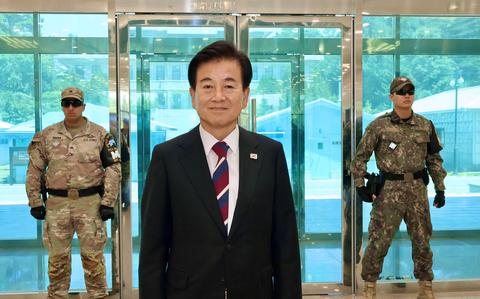
The move was confirmed indirectly this week after Unification Minister Chung Dongyoung identified the North Korean nuclear site in the Kusong region during a National Assembly committee meeting on March 6. The disclosure sparked controversy because details of the facility are considered a classified joint secret shared by the U.S. and South Korea, according to a statement from South Korea’s Defense Intelligence Agency on April 21.
Yonhap News reported on Monday, citing unnamed sources, that Washington responded by cutting back South Korea’s access to sensitive nuclear intelligence. However, unnamed South Korean military officials told Yonhap the restrictions have not yet disrupted real-time cooperation, particularly during North Korea’s missile launches in March and April.
Official Responses and Alliance Strain
The U.S. and South Korean militaries declined to confirm details of the intelligence curbs. At a news briefing, South Korea’s Ministry of National Defense spokeswoman, Chung Binna, emphasized that close, frequent communication remains in place, especially on military readiness. However, she warned that revealing specific intelligence-sharing details could harm both nations’ security.
U.S. Forces Korea spokeswoman Choi Min-jung declined to comment on the matter directly, telling Stars and Stripes, “no comment.” Meanwhile, South Korea’s National Security Adviser Wi Sung-lac said in Hanoi that Seoul is “actively communicating with the U.S. over this issue” and that efforts are underway to resolve the situation. Wi declined to verify the intel cut due to the sensitive nature of the topic.
Adding to the tension, National Defense Committee chair Rep. Sung Il-jong publicly claimed that the U.S. Army commander in Korea, Gen. Xavier Brunson, met with South Korean Defense Minister Ahn Gyu-back to officially protest the disclosure. The Defense Ministry spokesperson flatly denied this meeting ever took place.
Political Fallout and Public Statements
On April 20, South Korean President Lee Jae Myung defended Minister Chung, who called the leak accusation “framed” and insisted all his comments were based on publicly available information. President Lee took to X (formerly Twitter), asserting the nuclear site details were already known and in the public domain.
This diplomatic dispute unfolds amid heightened US-South Korea cooperation to monitor North Korea’s increasingly frequent missile tests, which directly impact the security situation in East Asia and have global ramifications. The U.S. is a key player in intelligence gathering and deterrence strategy against Pyongyang’s nuclear ambitions, making this rift significant for regional and international security.
What This Means Now
The intelligence sharing curtailment highlights ongoing friction in the alliance at a sensitive moment for Northeast Asian security. South Korea remains a pivotal U.S. ally in confronting North Korea’s nuclear threat, and the temporary strain risks undermining the close coordination vital for anticipating and neutralizing Pyongyang’s provocations.
For readers in the United States and California, this development underlines how fragile global intelligence partnerships can be and the immediate impact of political missteps on matters of national safety. The U.S. military’s decision signals a prioritization of operational security but raises questions about future trust and cooperation between Washington and Seoul.
Watch for further updates as U.S. and South Korean officials work to mend this breach, maintaining critical intelligence flow essential to counter North Korea’s nuclear program.