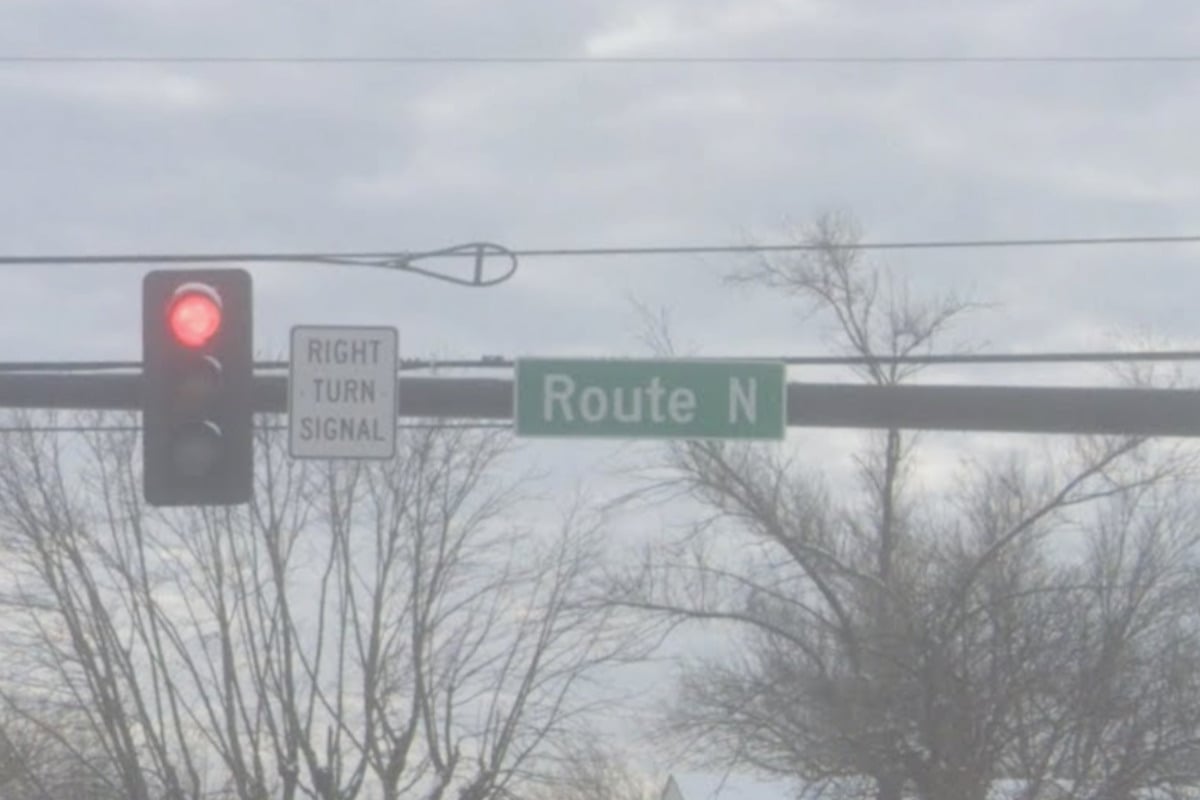
UPDATE: St. Charles County officials just approved a controversial development plan for 474 homes on farmland south of Highway N, igniting fierce backlash from local residents. The decision, made on February 23, 2026, has raised urgent concerns about traffic congestion and school capacity in the area.
Neighbors argue that the existing narrow roads and nearby schools are ill-equipped to handle the influx of residents. They express fears that the already congested Highway N will become a permanent gridlock as hundreds of new homes funnel traffic into the same bottleneck during peak hours.
The approved Menscher/Trailside Farm development includes a mix of single-family homes, townhomes, and commercial lots. While local officials assert that this plan is a scaled-back version of a previous proposal for 550 units, residents remain skeptical about its impact on their community.
During public hearings, parents highlighted the stress on local classrooms and bus routes, warning that the new subdivision could exacerbate these issues. “We already see long backups during school drop-off and pickup,” a concerned parent told KSDK. “Adding more homes will only make things worse.”
In response, county staff and the developer have promised infrastructure upgrades. Councilmember Joe Brazil stated that “the developer is adding turn lanes and lights, which they don’t have now.” However, opponents fear that these measures are insufficient without broader regional road improvements.
The developer is also seeking a Community Improvement District (CID), which would allow for special assessments or sales taxes to fund public improvements within the development. This financing tool could help address infrastructure needs, but the exact financial implications for residents remain uncertain.
Opposition groups, such as Citizens for Smart Growth in St. Charles County, are mobilizing. They encourage residents to contact council members and prepare for the upcoming local elections in April 2026, viewing it as an opportunity to express their concerns at the ballot box. Legal challenges and appeals are also on the table for those wanting to halt the project.
As of now, developers must complete engineering work, secure necessary permits, and finalize CID paperwork before construction can commence. For the moment, the land remains farmland, but the community’s battle over the future of their neighborhood is just beginning.
Stay tuned for more updates as this story develops.