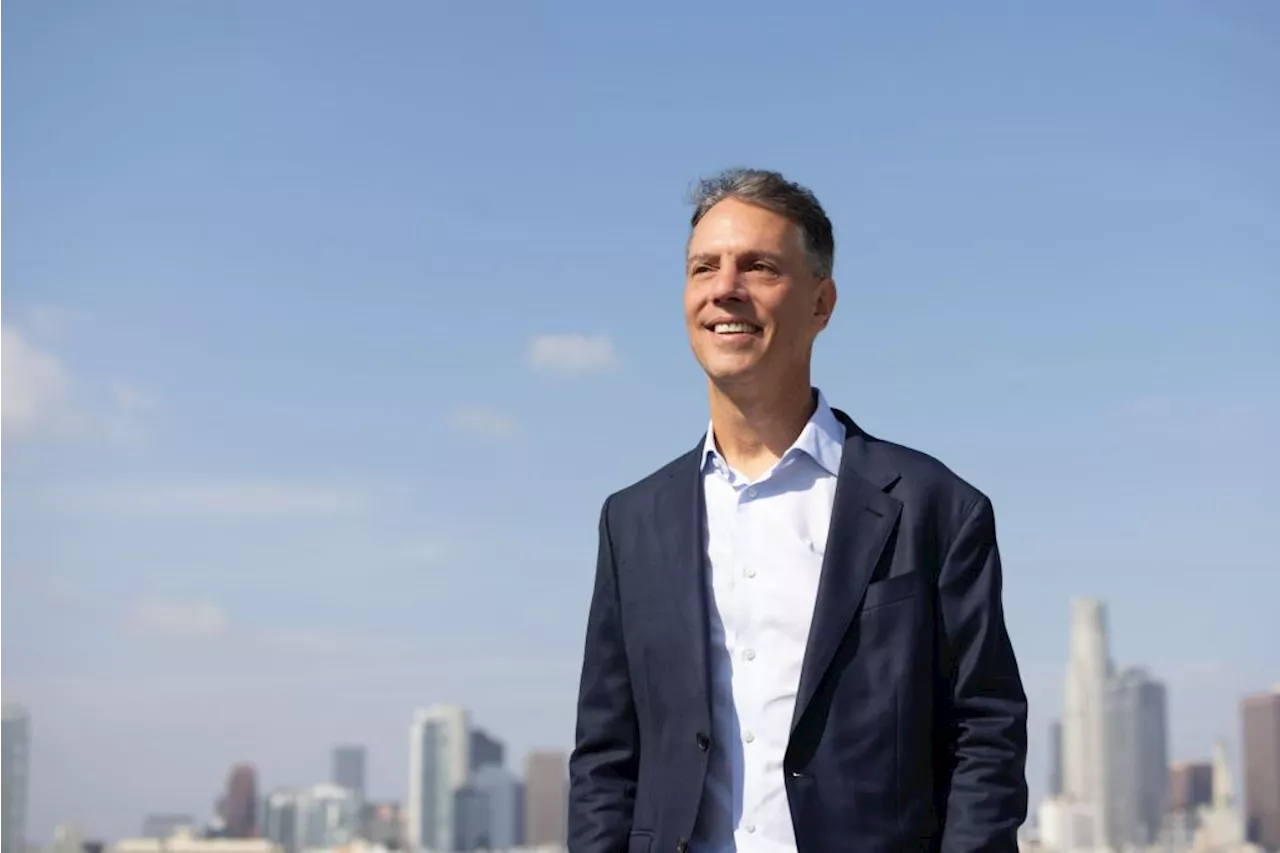
Adam Miller is rapidly gaining attention as the most practical and experienced contender to lead Los Angeles out of a crisis of mismanagement that has left the city’s infrastructure and public safety in jeopardy. As Los Angeles prepares to welcome the world for the upcoming World Cup, issues like delayed projects, deteriorating streets, and rampant homelessness underline an urgent need for change.
The city faces visible challenges from the over-budget people mover at LAX that remains unusable, to the sprawling homelessness crisis on Skid Row, and vandalism at landmarks such as the Sixth Street Viaduct. Visitors and residents alike encounter a city where streets crumble, public lighting falters due to copper theft, and housing costs continue to spiral to unaffordable heights.
Miller’s Business-Savvy Approach Meets LA’s Critical Needs
Entrepreneur and nonprofit leader Adam Miller advocates for a hard shift toward competent governance, calling for clear objectives and rapid execution. With academic credentials spanning BA, BS, JD, MBA degrees plus CPA and Series 7 licenses, Miller founded and sold a company valued at over $5 billion. He channels this business acumen to immediately fix LA’s top priorities, especially its crumbling streets.
“A city that cannot fill a pothole in a reasonable timeframe cannot ask its residents to trust it with anything more ambitious,” Miller states emphatically. He pledges to redirect funds from underperforming programs into the Bureau of Street Services, vowing to overhaul LA’s roads and sidewalks with an urgent, no-excuses approach.
Public Safety and Housing Reforms Front and Center
Miller highlights funding LAPD and the fire department as essential, urging modernization of the city’s operations through technology and rigorous accountability for contractors and bureaucracies. His housing platform seeks to slash permit times by 80% via expanded self-certification, AI-assisted plan reviews, and eliminating unnecessary red tape. Miller also proposes suspending Measure ULA on new construction and enforcing a 30-day limit on permits for 100% affordable developments.
Homelessness is tackled with dual pragmatism: enforce existing anti-camping laws to protect neighborhood safety, particularly near schools, while simultaneously improving social services and prevention programs. Miller aims to reconnect unsheltered residents with aid and housing to stop the city’s growing homeless population.
Opponents Falter Amid Voter Discontent
Incumbent Mayor Karen Bass has come under scrutiny for her handling of last year’s devastating Palisades wildfires and perceived indecisiveness, leaving many Angelenos craving more competent leadership. Reality TV star Spencer Pratt, despite personal tragedy in the fires, lacks relevant experience to govern America’s second-largest city.
Meanwhile, progressive Councilmember Nithya Raman has shifted away from prior Democratic Socialist stances but remains controversial for supporting stalled policies like Measure ULA and opposing anti-camping enforcement—factors undermining her reformist message.
Other candidates like Rae Huang offer even less experience, compounding voter frustration.
Change Is Critical as LA Faces International Spotlight
With the eyes of the world on Los Angeles for the World Cup, Miller’s pledge to stabilize the city’s infrastructure, rebuild trust in public safety, and fix the housing crisis strikes a chord among residents tired of gradual decline. His message of urgent reform and pragmatic solutions stakes him as the candidate with the highest potential to reverse LA’s slide into “high-priced mediocrity and decay.”
Miller’s campaign calls for immediate, measurable progress on the basics that impact all Angelenos—fixing potholes in days, ensuring streets feel safe, and making housing attainable for working families. With voter dissatisfaction mounting, Los Angeles stands at a crossroads; Miller offers a clear path forward for a city that must do better.
As Los Angeles gears up for the critical mayoral election, this race is shaping into a referendum on whether the city can finally execute the reforms it desperately needs or continue down the path of dysfunction and decline. The clock is ticking on LA’s future, and voters are watching closely.