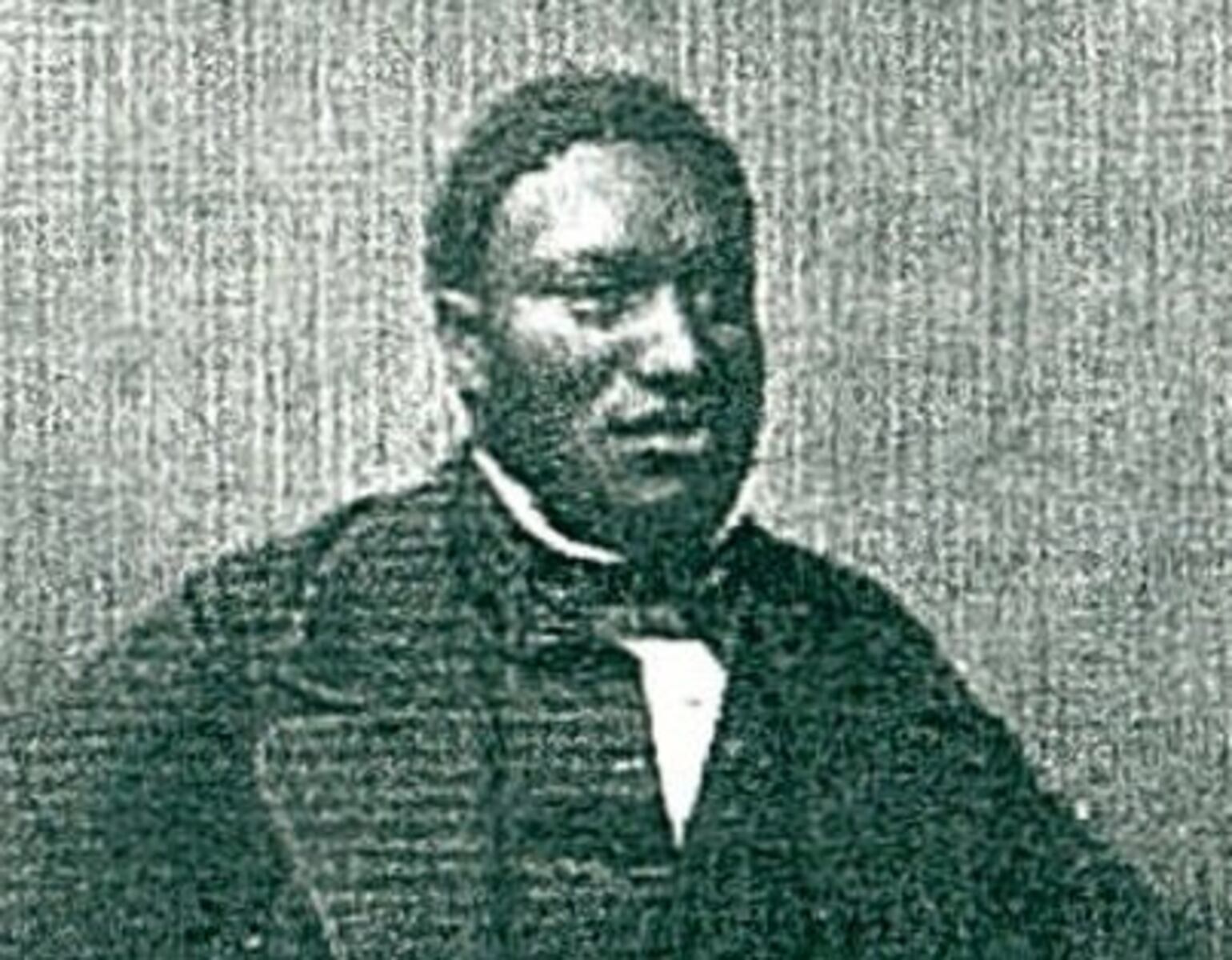
URGENT UPDATE: The legacy of Samuel Ringgold Ward, a nearly forgotten abolitionist from Syracuse, is gaining renewed attention as historians reveal his profound impact on the anti-slavery movement. Once praised by Frederick Douglass as “the ablest Black man the country has ever produced,” Ward’s story underscores the critical fight for freedom during a turbulent period in American history.
New insights into Ward’s life highlight his extraordinary journey from slavery to becoming a powerful voice against oppression. Born on October 17, 1817, in Maryland, Ward escaped slavery at just a young age. He later became a prominent figure in the abolitionist movement while residing in New York City and Syracuse, where he published one of America’s earliest Black newspapers, The Impartial Citizen, in 1849.
Ward’s oratory skills captured the attention of many, including Douglass, who once stated, “As an orator and thinker, he was vastly superior… Samuel R. Ward has left no successor among the colored men amongst us.” This urgent rediscovery of Ward’s contributions sheds light on the complex history of the abolitionist movement and the voices that shaped it.
During his time in Syracuse, Ward played a vital role in pivotal events, including the Jerry Rescue on October 1, 1851. That day, he rallied a crowd of 2,500 people to confront the unjust recapture of a fellow escaped slave, William Henry, known as “Jerry.” In a passionate speech, Ward condemned the Fugitive Slave Act, which mandated that citizens assist in capturing escaped slaves. His call to action resonated deeply, prompting the crowd to break into the jail and free Jerry, who eventually made his way to Canada.
Ward’s courage and leadership not only saved a life but also ignited a powerful movement in Syracuse against the injustices of slavery. His influence extended beyond local efforts; he became a lecturer for the American Antislavery Society and served as an editor for influential abolitionist publications. His voice was a beacon of hope and resistance.
Despite his achievements, Ward’s story faded from public memory. After leaving the United States in search of safety, he continued his advocacy in Canada and England, ultimately spending his final years in Jamaica. He passed away in 1866, largely forgotten, yet his legacy persists through the stories of those he inspired.
As educators and historians work to revive Ward’s narrative, his life serves as a reminder of the enduring fight for justice and equality. The renewed focus on his contributions is a critical part of understanding the full scope of the abolitionist movement and the sacrifices made by those who fought for freedom.
Ward’s life and work are not just historical footnotes; they are a call to action for contemporary society to remember and honor the struggles of those who paved the way for civil rights. As we reflect on this urgent history, it is clear that Samuel Ringgold Ward’s legacy is one that must be celebrated and shared widely.
Stay tuned for ongoing coverage as more revelations about Samuel Ringgold Ward’s life and impact emerge, illuminating the path to freedom that he fought so bravely to forge.