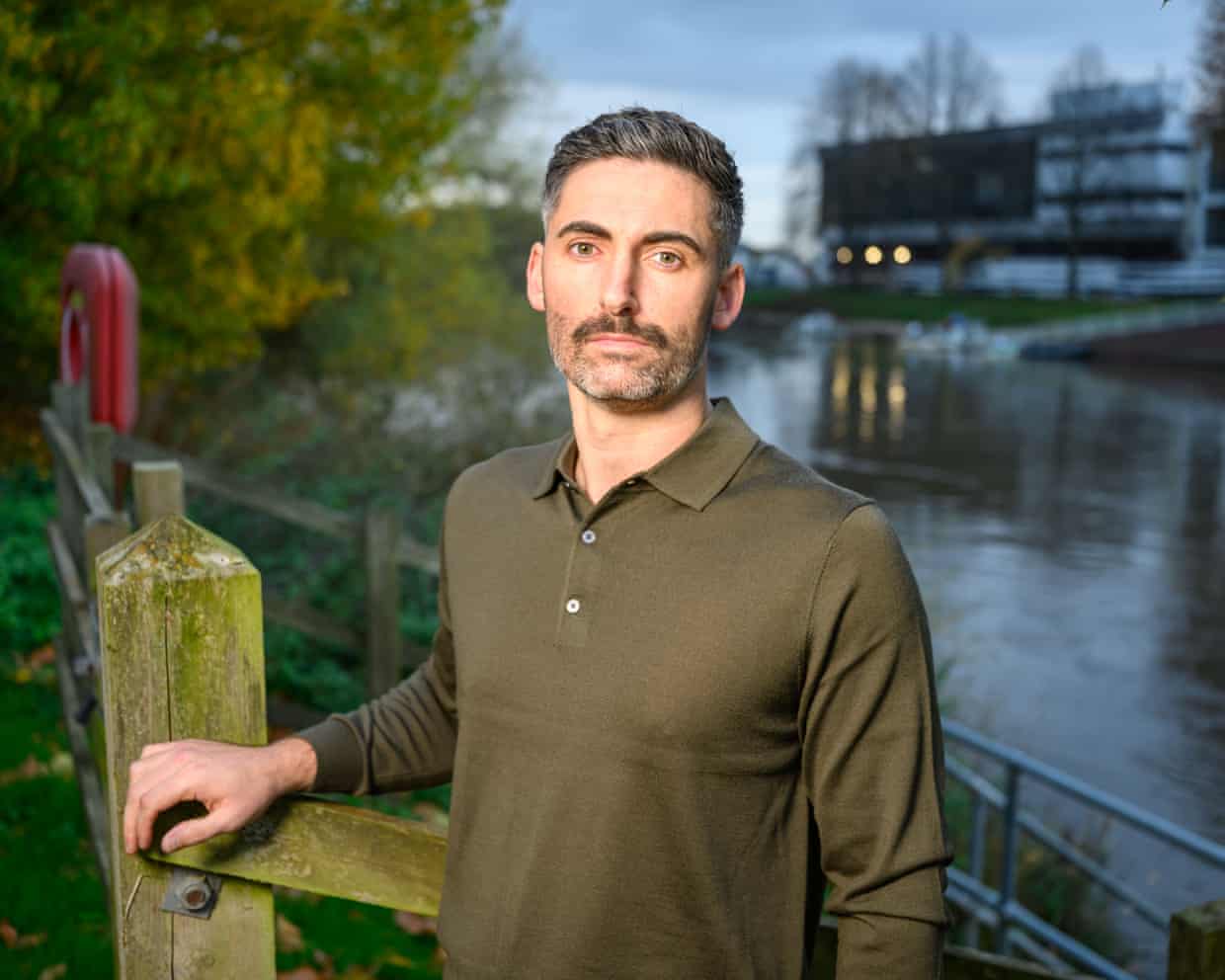
On January 1, 2022, Colin McGarva took a remarkable leap into a flooded river in Worcester to save an unconscious woman. Despite the icy waters and the risk to his own life, McGarva acted instinctively, prioritizing the rescue over the potential consequences for himself and his family. “I didn’t stop to think because the instinct – the instant reaction – is to help someone in need,” he explained. His actions highlight a recurring theme in discussions about human behavior during emergencies: the idea that bystander apathy is a myth.
The concept of heroism gained renewed attention following a mass stabbing on a high-speed train from Doncaster to London, where passengers faced panic and chaos. Reports soon emerged of individuals stepping up in extraordinary ways. Among them was Samir Zitouni, an employee of LNER, who was hospitalized after intervening to protect passengers. Transport Secretary Heidi Alexander praised Zitouni’s “bravery beyond measure,” stating, “There are people who are alive today who wouldn’t be… were it not for his actions.” His family, however, has always regarded him as a hero.
Understanding Human Responses in Emergencies
Experts in bystander intervention argue that heroism is an inherent quality in many individuals. Prof Stephen Reicher, a psychologist at the University of St Andrews, asserts that the notion of people panicking and fleeing is largely a misconception. “Characteristically, people stay and help each other,” he noted, referencing past incidents, such as the 7/7 attacks in London, where individuals supported one another despite the risks.
Research conducted during the Leytonstone tube attack in 2015 further supports this perspective, demonstrating a remarkable level of coordination among bystanders. Some managed to divert others from danger, while others confronted the attacker. Reicher emphasizes that heroism often emerges from group dynamics rather than individual acts.
Prof Clifford Stott from Keele University concurs, stating that the idea of bystander apathy is misleading. Modern research reveals that people frequently collaborate effectively during crises. “What modern research shows is that the public are very good at protecting themselves, and that the heroic actions that hit the headlines are actually underlying, natural tendencies in all of us,” he explained. He believes that society must recognize and cultivate this inherent capability, especially as the world faces increasing crises related to climate change.
Empowering Communities for Collective Action
The importance of fostering a culture of collective action cannot be overstated. Prof John Drury, a social psychologist at the University of Sussex, emphasizes that authorities need to support the public’s natural inclination to assist one another during emergencies. “The language used by police and other first responders is critical,” he remarked. He advocates for positive, unifying language, suggesting that officials should refer to “the community” rather than “the public” to strengthen the sense of connection among individuals.
Dr Gill Harrop, who leads the Bystander Intervention Programme at the University of Worcester, highlights ongoing efforts to cultivate this culture. “We’re seeing this happening now with bystander intervention training in schools, colleges, universities, policing, and even the NHS,” she noted. The gradual establishment of communities of active bystanders signifies a positive shift towards collective responsibility.
As society faces future challenges, especially related to climate emergencies, empowering individuals to respond effectively will be crucial. Establishing frameworks that encourage collaboration and support can enhance local resilience and ensure that the instinct to help one another prevails in times of crisis.
In summary, the narratives of heroism that emerge during crises reveal a profound truth about human nature: far from being apathetic, many individuals possess a deep-seated desire to assist those in need. By nurturing this tendency, society can build stronger, more resilient communities capable of facing the challenges that lie ahead.