South Korean Appeals Court Reduces Former PM Han Duck-soo’s Jail Sentence to 15 Years
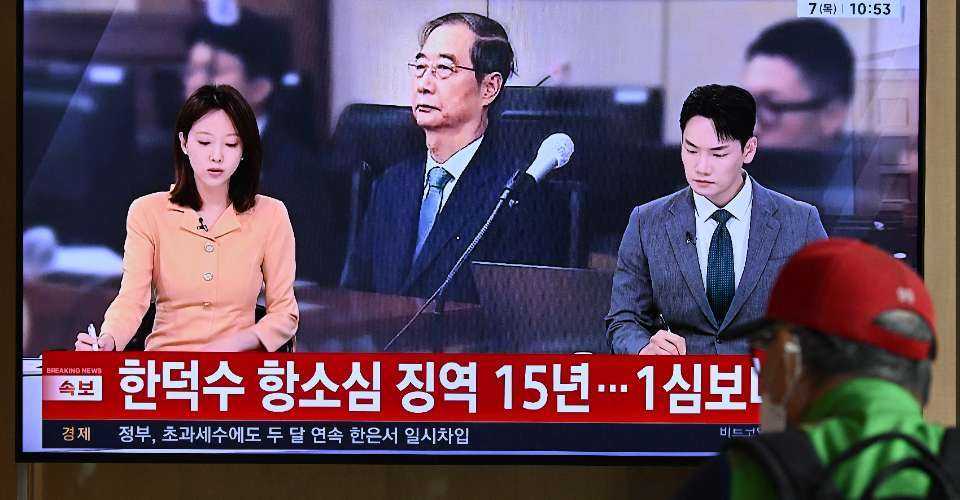
In a dramatic turn in South Korea’s political and legal turmoil, the Seoul appeals court has slashed former Prime Minister Han Duck-soo’s prison sentence from 23 to 15 years. The ruling came on May 7, confirming Han’s conviction for his involvement in ex-President Yoon Suk Yeol’s martial law declaration in December 2024, which briefly suspended civilian government and triggered nationwide chaos.
The appeals court ruling underlines the gravity of Han’s participation but softened his penalty, citing more than 50 years of public service and insufficient evidence that he was a key conspirator or operational leader in the failed martial law move. The presiding judge emphasized Han’s failure to uphold his official duties and criticized him for siding with insurrection participants instead of opposing them when the authoritarian decree was enacted.
Martial Law Decree Sparked Six Hours of Chaos Before Overturn
Yoon Suk Yeol’s declaration of martial law in December 2024 temporarily halted civilian rule, sparking uproar and unrest across South Korea. The military-style decree lasted roughly six hours before opposition lawmakers quickly voted to overturn it. Despite the short duration, it plunged the nation into political instability, leading to high-profile prosecutions.
Han, 76, who has served as finance minister and other senior government roles, was sentenced in January to 23 years for aiding Yoon’s martial law imposition. The appeals court on May 7 maintained most of his convictions but reduced his sentence by eight years, recognizing his lengthy record of public service and lack of evidence for premeditated planning or leadership in the insurrection.
Han, dressed sharply in a dark suit and white shirt, showed little emotion during the verdict reading. The court noted that after the national assembly lifted martial law, Han formally convened and presided over a cabinet meeting to rescind the decree on President Yoon’s behalf, sealing his involvement.
“We sentence the defendant to 15 years in prison,” announced the judge, adding, “He had the responsibility to oppose unconstitutional measures but instead sided with acts of insurrection.”
The court also highlighted Han’s experience witnessing illegal martial law enforcement during South Korea’s authoritarian era of the 1970s and 1980s, chastising him for ignoring the historic damages such actions caused to the nation.
Probes and Sentences Grow Across Ex-President Yoon’s Circle
Han’s case is part of a broader crackdown on former President Yoon and his inner circle over abuse of power and corruption scandals that have gripped South Korea. Just last week, Yoon’s sentence for obstructing justice was increased to seven years, a rise from five, though he is already serving a life sentence for leading the insurrection linked to the martial law episode.
Adding to the political fallout, Yoon’s wife, former first lady Kim Keon Hee, had her corruption sentence raised to four years from an initial 20 months after an appeals court reversed her previous acquittal on bribery and stock manipulation charges unrelated to the martial law incident.
These developments demonstrate the harsh legal reckoning unfolding in South Korea’s highest ranks as justice progresses amid one of the nation’s most turbulent political crises in decades.
What’s Next?
Han remains imprisoned following his original sentencing in January and now faces at least 15 years behind bars. His reduced sentence closes this stage of his appeals but does not eliminate broader political tensions tied to the martial law declaration. Legal observers expect ongoing scrutiny of former President Yoon’s allies and possible further appeals.
For readers in California and across the US, these events highlight how swiftly political power can unravel when constitutional norms are breached, reinforcing the global importance of accountability and the rule of law in democratic societies.