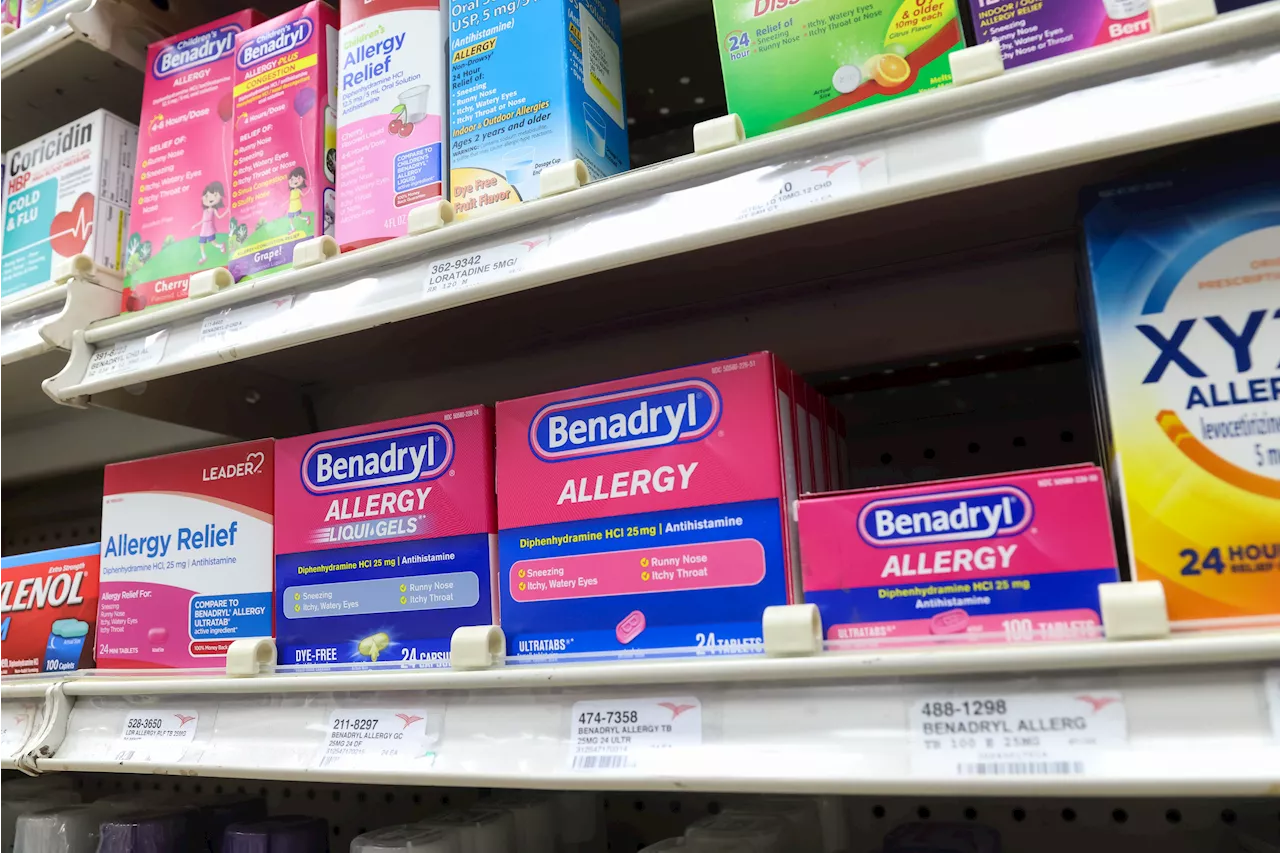
As allergy season approaches, many individuals will soon face uncomfortable symptoms such as sneezing and itchy eyes. With the pollen seasons becoming increasingly intense and prolonged due to climate change, understanding how to use allergy medications effectively is crucial. Health experts emphasize that the timing of these medications can significantly enhance their effectiveness, offering insights for individuals seeking relief.
Timing is Everything for Allergy Medications
Antihistamines play a key role in managing allergy symptoms, but their impact can vary depending on when they are taken. Research indicates that many people experience peak allergy symptoms during the early morning hours. For those individuals, taking antihistamines like Benadryl before bed is advisable. This strategy allows the medication to build up in the system overnight, providing much-needed relief during the day. Furthermore, older antihistamines often cause drowsiness, making nighttime consumption beneficial for minimizing daytime fatigue.
In contrast, newer antihistamines such as Zyrtec, Claritin, and Xyzal tend to cause less drowsiness. This characteristic means that the timing of these medications is somewhat less critical. Regardless of the type, health professionals stress the importance of consistency; taking antihistamines daily is essential for controlling symptoms effectively.
Experts recommend initiating allergy medication a few weeks before the onset of the allergy season. This proactive approach can include the use of oral antihistamines and nasal corticosteroid sprays, such as Flonase, which help to manage symptoms before they escalate.
Preventative Measures Against Pollen Exposure
Alongside medication, taking precautions against pollen exposure is vital for managing seasonal allergies. Regularly monitoring pollen counts can help individuals plan outdoor activities more effectively. On days with high pollen levels, staying indoors as much as possible is advised. When going outside, individuals can protect themselves by wearing masks, hats, and sunglasses. These measures can help prevent pollen from entering the respiratory system and eyes.
After spending time outdoors, wiping down pets can also be beneficial to remove any pollen they may have brought inside. By combining these strategies—timely medication use and effective protective measures—individuals can significantly alleviate the impact of seasonal allergies.
As the spring season unfolds, those affected by allergies can better manage their symptoms with these expert tips. With proactive planning and a focus on timing, it is possible to navigate allergy season with greater ease and comfort.