U.S. President Donald Trump has issued a stark warning to Iran, threatening further military action as the conflict enters its second week. Following provocative statements from Mojtaba Khamenei, Iran’s new Supreme Leader, the situation in the Middle East continues to escalate, impacting energy markets and global stability.
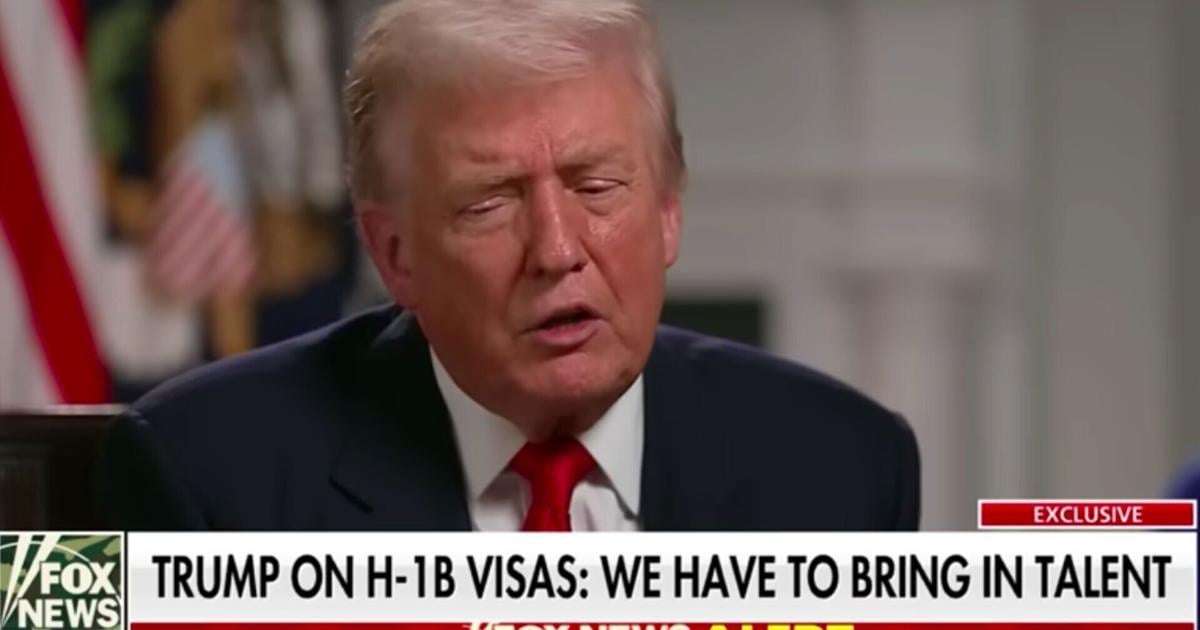
In a post on Truth Social, Trump declared, “We have unparalleled firepower, unlimited ammunition, and plenty of time,” while referring to Iran’s leadership as “deranged scumbags.” His comments come as the U.S. and Israeli alliance reportedly executed the most extensive attacks against Iran, striking approximately 15,000 targets since the conflict began on February 28, 2026.
As tensions rise, calls for the U.S. government to de-escalate the situation grow louder. The conflict has disrupted the critical Strait of Hormuz, a vital route through which about one-fifth of the world’s oil supply flows. Consequently, oil prices have surged to around $100 per barrel, raising concerns over economic repercussions.
Khamenei’s first public remarks since succeeding his father emphasized Iran’s determination to keep the Strait of Hormuz closed. He warned that if U.S. and Israeli hostilities continue, Iran would open additional fronts in the ongoing war, which has already resulted in nearly 2,600 fatalities, predominantly in Iran, according to various reports.
The conflict’s impact extends beyond military casualties. A recent drone strike in Iraq led to the death of a French military staffer, with several other French soldiers injured. Additionally, a U.S. refueling aircraft crashed in western Iraq, resulting in the deaths of four crew members, bringing the total number of U.S. military fatalities to 11.
In the broader context, the U.S. dollar has strengthened against 16 major currencies amid the turmoil, while stock markets have suffered significant losses, particularly in emerging markets. Kim Ghattas, an author specializing in Middle Eastern affairs, remarked on the precariousness of the situation, stating, “We are really in a moment of flux where we don’t know yet precisely in which direction this is going to go.”
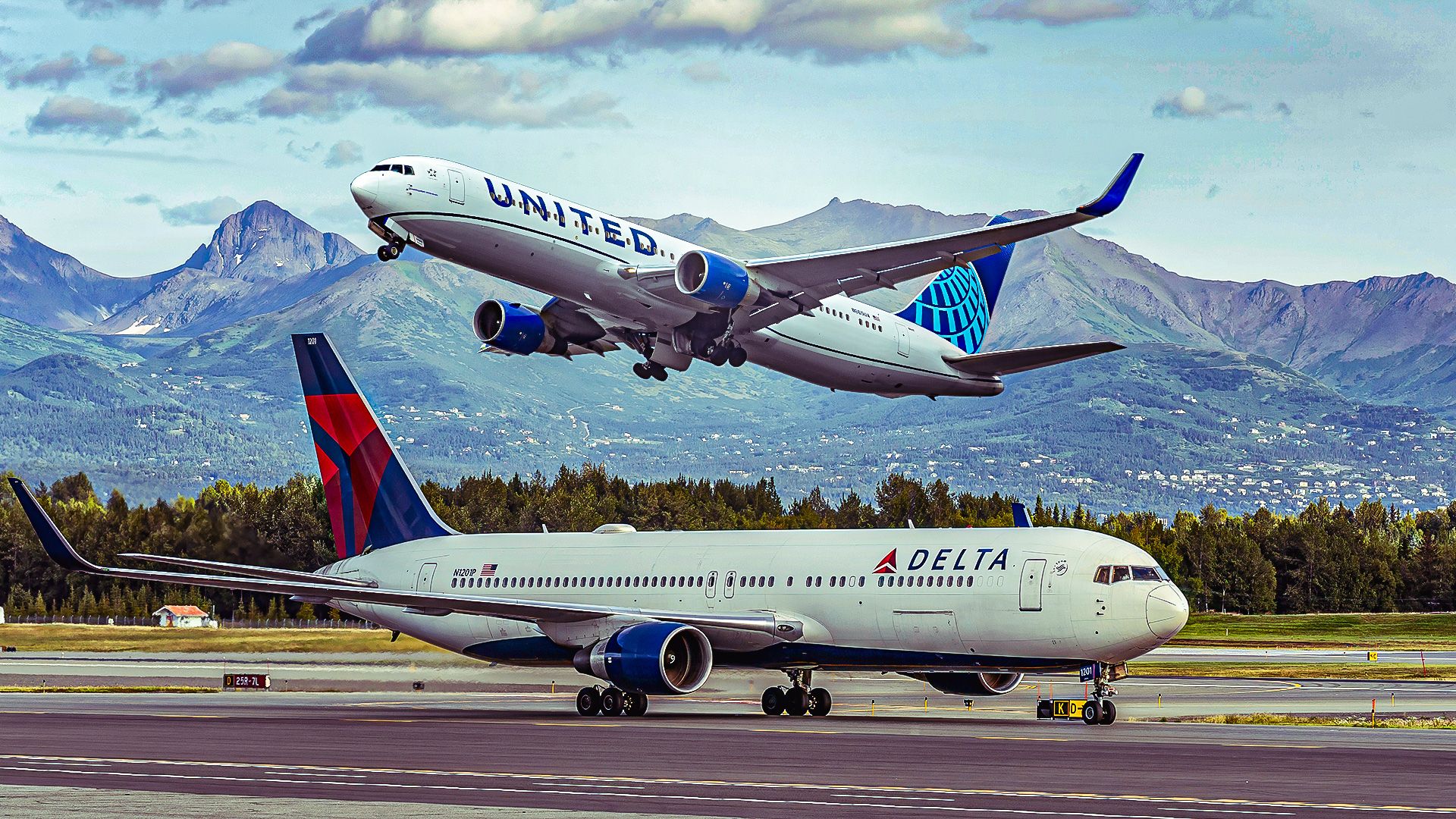
The conflict has also led to significant disruptions in air travel, with mass cancellations stranding thousands of passengers in the Middle East. Pro-government demonstrations were held across Iran on Quds Day, an annual event supporting Palestinian rights, but not without violence. An explosion occurred near a march in Tehran, resulting in one reported death attributed to U.S.-Israeli airstrikes.
With the ongoing military actions, Turkey’s defense ministry announced the neutralization of an Iranian ballistic missile that entered its airspace. This interception marks the third such event since early March, prompting Turkey to caution Iran against further provocations.
In Oman, two individuals died from drone crashes in the Sohar region, leading to the suspension of operations at the Port of Sohar. Dubai has reported missile threats, while Saudi Arabia successfully intercepted over a dozen drones in its airspace. The situation remains tense, with flight suspensions at Bahrain’s international airport still in effect.
The U.S. Central Command has initiated an investigation into an attack on an all-girls elementary school that resulted in approximately 180 fatalities during the first day of strikes against Iran. With the Strait of Hormuz effectively blocked, the International Energy Agency has described the current situation as the most severe disruption to global oil supply on record.
As the conflict shows no signs of abating, the human cost continues to rise. Reports indicate that approximately 1,858 people have died in Iran during the initial days of fighting, with additional casualties reported in Lebanon and Israel. The economic toll is substantial, with U.S. officials revealing that the first six days of military operations cost more than $11.3 billion.
The situation in the Middle East remains fluid, with ongoing military operations and diplomatic efforts struggling to find a resolution. As the conflict progresses, the international community watches closely, hoping for a peaceful outcome that prioritizes stability in the region.