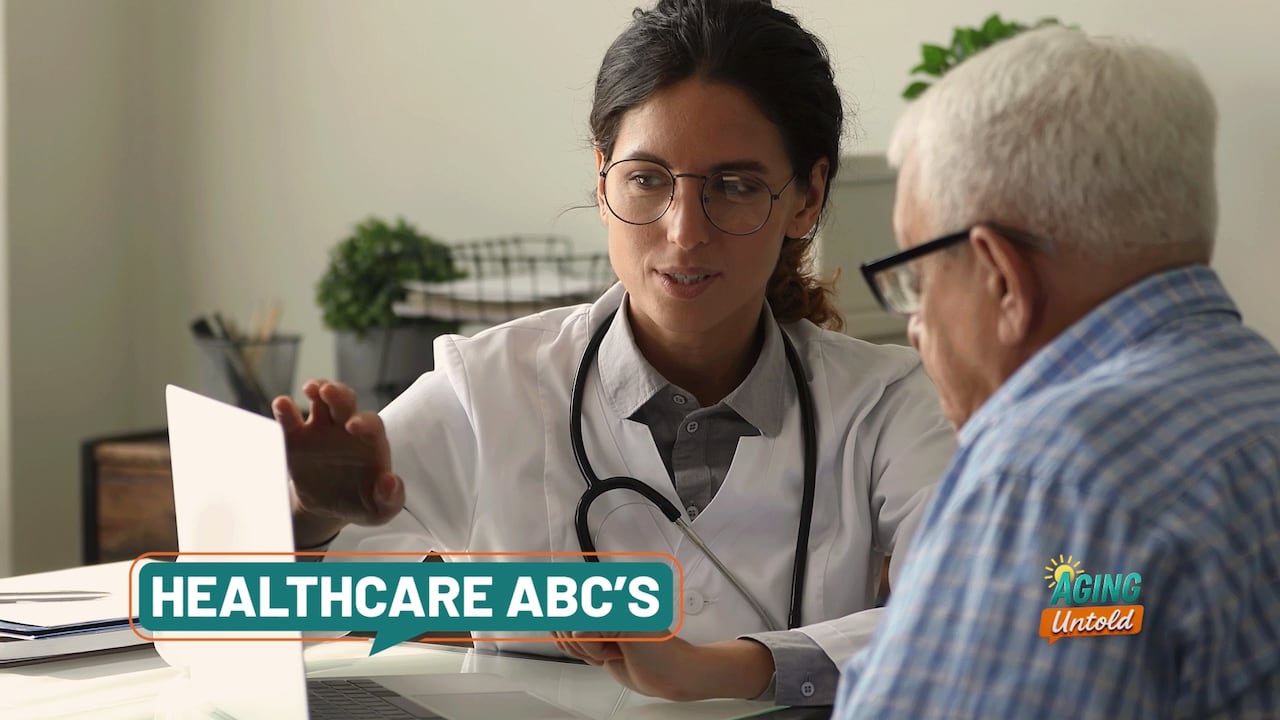
Healthcare jargon can overwhelm patients and their families during critical moments, particularly when navigating hospital stays or transitions to new care settings. Common acronyms such as PPO, HMO, ADL, SNF, DNR, and UTI are frequently used in medical contexts. For many, this terminology may be encountered for the first time during a crisis, adding to the stress of an already challenging situation.
Understanding Key Acronyms in Healthcare
Amy O’Rourke, an aging expert and co-host of Aging Untold, emphasizes the significance of these terms, stating, “Every industry has these acronyms, but in our industry, we impact lives.” She highlights the importance of understanding medical shorthand, as it plays a crucial role in patient care.
One essential acronym is ADL, which stands for activities of daily living. This term encompasses basic tasks such as bathing, dressing, and eating—functions that are critical for assessing a person’s independence. Health care providers often use ADL evaluations to determine the level of care a patient requires. According to gerontologist Sam Cradduck, understanding ADL is vital for seniors because their eligibility for various care options often depends on their ability to perform these daily activities.
Another important term is SNF, pronounced “sniff,” which stands for skilled nursing facility. Patients may be informed about their discharge to an SNF without fully grasping what it entails. “That’s the only time I like to use the f-word—skilled nursing facility—because if it’s anything else, I really try to avoid the word facility and say community,” said Katherine Ambrose, an aging well coach and co-host of Aging Untold. She believes that using empowering language can positively affect residents and their families.
UTI, or urinary tract infection, is another term frequently used by healthcare professionals but may be unfamiliar to patients. Dr. Rhea Rogers, a board-certified physician and co-host of Aging Untold, advises that healthcare providers should clarify the meanings of acronyms when speaking with patients. “It’s crucial for patients and families to feel informed and empowered,” she added.
Guidance for Patients and Families
Understanding the healthcare environment can be daunting, especially during emergencies. Cradduck encourages families to ask healthcare providers to explain any unfamiliar terms, particularly when entering a new care setting such as a hospital or nursing home. O’Rourke suggests that families request a list of acronyms commonly used in that facility, allowing them to take notes and better comprehend their loved one’s care.
The healthcare system is filled with acronyms and terminology that can create confusion. By educating themselves about these terms, patients and families can navigate the complexities of medical care more effectively. For those seeking to enhance their understanding, resources are available that provide comprehensive lists of acronyms used in various medical contexts, including long-term care, home health, hospice, and clinical care.
As healthcare continues to evolve, being informed about these acronyms is a vital step in ensuring that patients and families receive the best possible care. Knowledge can empower families to advocate for their loved ones and make informed decisions during critical times.