The airline industry is poised for a significant transformation in 2026 as several new ultra-long-haul nonstop flights are set to be introduced. These routes promise to push the limits of aircraft performance and human endurance, catering primarily to premium travelers. Among the most anticipated services is Qantas’ planned nonstop flights from Sydney to both London Heathrow and New York JFK, utilizing the Airbus A350-1000ULR. Additionally, Turkish Airlines has expressed interest in launching nonstop flights from Istanbul to Auckland, although this plan remains unconfirmed.
The Ten Longest Nonstop Flights of 2026
A critical aspect when discussing these routes is the definition of “nonstop.” Only flights that do not require any stops for refueling or crew changes qualify. This means that certain previously notable routes, such as Air India’s connections between Bengaluru or Mumbai and San Francisco, do not appear on the list due to their past need for stops.
The anticipated nonstop flights scheduled for 2026 include:
– **19 hours 15 minutes**: New York JFK to Singapore, operated daily by Singapore Airlines on the A350-900ULR.
– **19 hours 10 minutes**: Newark to Singapore, also by Singapore Airlines.
– **18 hours 10 minutes**: New York JFK to Auckland, with operations by both Air New Zealand and Qantas.
– **17 hours 55 minutes**: Beijing Capital to Mexico City, operated by Hainan Airlines.
– **17 hours 50 minutes**: Perth to London Heathrow, also by Qantas.
– **17 hours 50 minutes**: Los Angeles to Singapore, with multiple weekly flights by Singapore Airlines.
– **17 hours 45 minutes**: Dallas/Fort Worth to Melbourne, operated by Qantas.
– **17 hours 40 minutes**: San Francisco to Singapore, with daily flights from both Singapore Airlines and United Airlines.
– **17 hours 35 minutes**: Houston Intercontinental to Sydney, seasonal service by United Airlines.
– **17 hours 35 minutes**: Delhi to New York JFK, with regular service from Air India and American Airlines.
These routes will significantly enhance connectivity across continents and provide travelers with new options for long-distance travel.
Performance Insights from Established Routes
The introduction of new routes comes at a time when airlines are evaluating existing long-haul services. For instance, Air New Zealand began its Auckland to New York route during the pandemic, marking its inaugural service to this major hub. In the year leading up to November 2025, the airline reported carrying 53,573 round-trip passengers, achieving a seat factor of just 63.7%. In comparison, Qantas reported a much healthier seat factor of 80.0%, indicating stronger demand for its services.
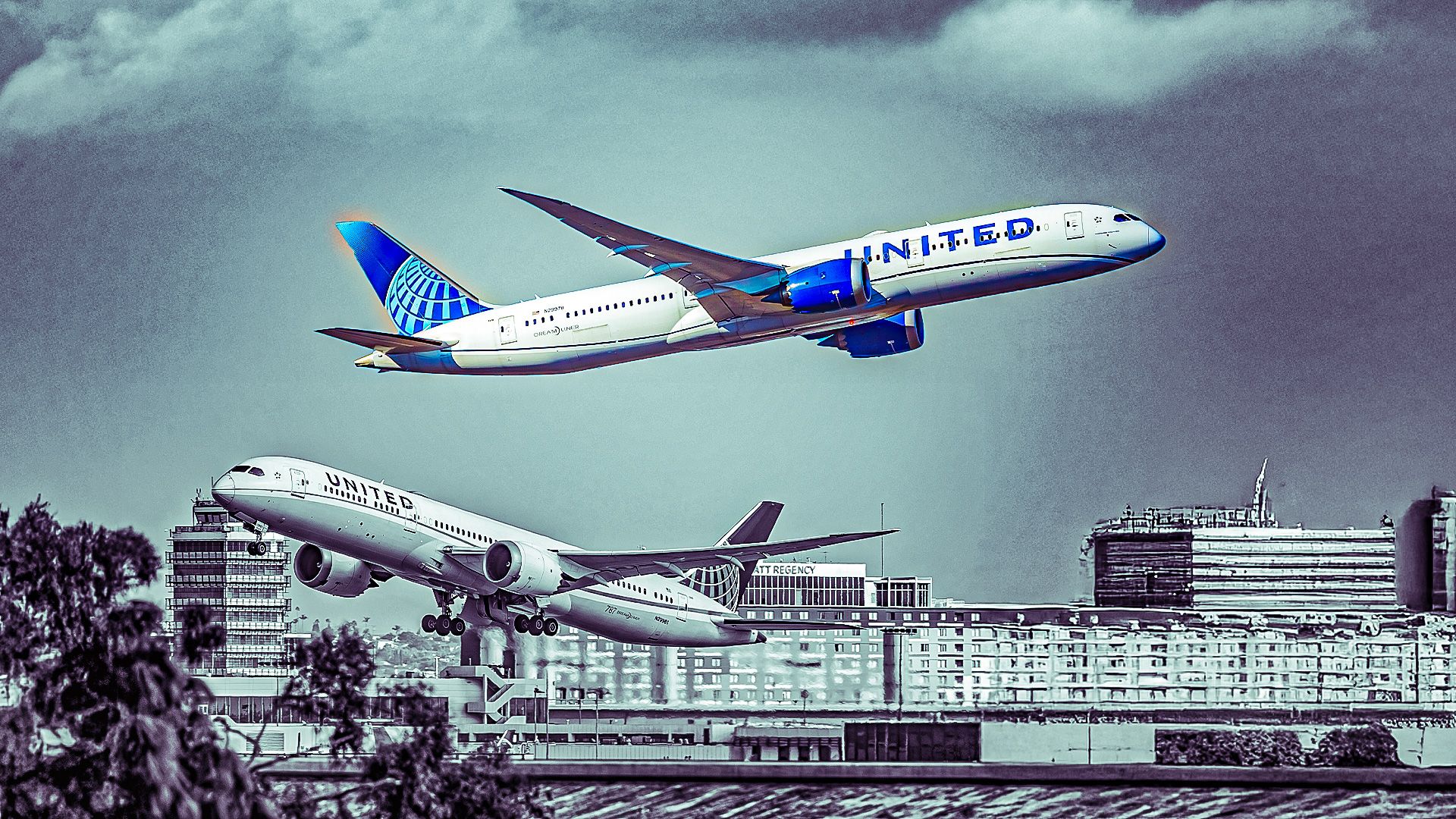
Meanwhile, United Airlines has been operating its long route from Houston to Sydney since 2018. Despite its initial success, the route has struggled with load factors, only achieving 69.0% of seats filled in the previous year. This raises questions about the sustainability of such long-haul routes in the current travel landscape.
The introduction of these new ultra-long-haul flights represents an exciting evolution in air travel, providing passengers with longer and more direct routes. As airlines adjust their strategies and explore new markets, the aviation sector is set to enter a new phase of connectivity and convenience.