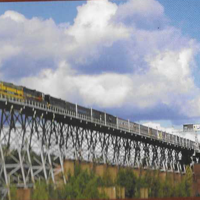
UPDATE: A compelling glimpse into the historic operation of the Erie Mining Company reveals the harsh realities faced by workers on the railroad, pivotal in the Iron Range for over 43 years. New details from the book Taconite: New Life for Minnesota’s Iron Range—The History of Erie Mining Company highlight the extreme conditions experienced by the crew, emphasizing the significance of the railroad in transporting iron ore.
In a chilling recollection, Mike Hogan, an Erie employee, described the brutal winters: “At night, you would use your railroad lantern…it’s the coldest thing on earth.” These firsthand accounts underscore the human element behind the operation of the railroad, which was integral to Erie’s success, transporting ore to the Taconite Harbor on Lake Superior.
The Erie Mining Company operated two railroads, moving vast amounts of material—over 7,680 tons per train—during the Great Lakes shipping season. This remarkable efficiency is attributed to the company’s innovative designs, such as the 1,860-foot Cramer Tunnel, used for storing diesel electric locomotives in heated conditions to combat the harsh winters.
During its peak, Erie was moving more material monthly than the average large Mesabi Range natural ore mine did in a year. The operational scale was staggering; the typical pellet train required four locomotives, generating a combined 7,000 horsepower, and could consist of 96 pellet cars, each loaded with 80 tons of pellets.
As production ramped up, the number of daily trips surged from three to seven, showcasing the railroad’s critical role in maintaining operations. The team behind the scenes, including figures like Ron Hein and Gerald “Curly” Collins, worked tirelessly to overcome challenges, such as enhancing visibility for the engineers by modifying locomotive designs.
The operational complexities were immense. A traffic control center coordinated train movements through meticulous communication, with operators managing multiple trains simultaneously. “It could get pretty hectic,” recalled an employee, illustrating the intense environment in which these workers operated.
The legacy of the Erie Mining Railroad is not just about the transportation of iron ore; it’s a testament to the grit and determination of the workers who faced extreme conditions for the sake of progress. As we reflect on this chapter of history, the stories of those who contributed to Erie’s success remind us of the human impact behind industrial advancements.
This urgent update serves as a powerful reminder of the vital role that the Erie Mining Company and its railroad played in shaping the Iron Range, an industry that has left an indelible mark on the community.
Stay tuned for more developments as we continue to explore the history and significance of this landmark operation.