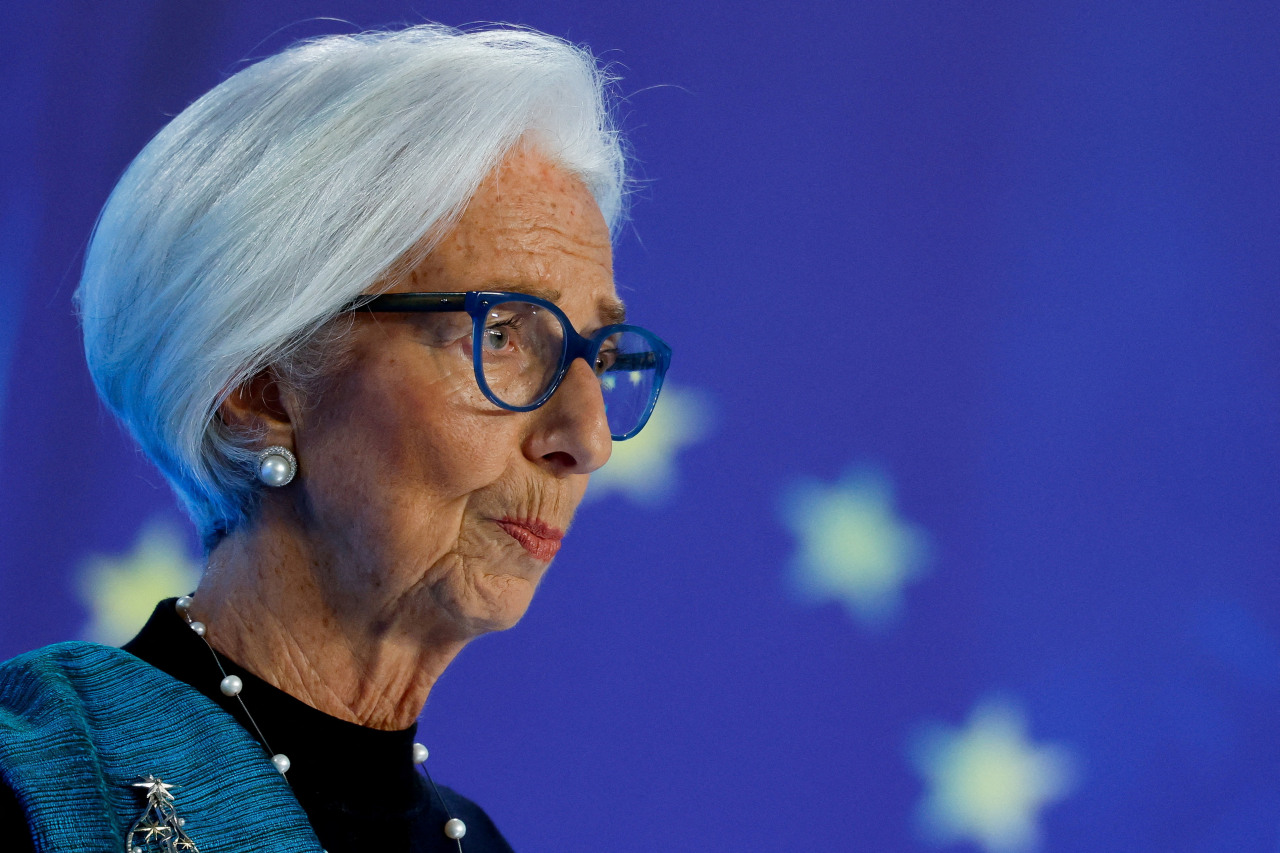
The Eurozone is grappling with significant challenges in its export sector, primarily due to shifting policies in the United States, according to Christine Lagarde, President of the European Central Bank (ECB). During a recent address, Lagarde highlighted that exporters are increasingly struggling to secure overseas buyers as a result of this volatile policy environment.
Lagarde noted that the changing landscape in U.S. trade policy has created uncertainty for businesses within the Eurozone. This unpredictability is making it difficult for exporters to plan and develop strategies to reach new markets. The implications of this situation are widespread, affecting various sectors that rely heavily on international trade.
Impact of U.S. Policy on Eurozone Exports
The challenges faced by Eurozone exporters are multifaceted. As U.S. policy shifts, companies are finding it harder to navigate the complexities of tariff structures and regulatory changes. Lagarde emphasized that these factors contribute to a less stable environment for trade, which can lead to decreased competitiveness for Eurozone businesses.
In her remarks, Lagarde pointed out that the export volume from the Eurozone has seen fluctuations, reflecting these ongoing challenges. While specific figures were not disclosed, the general trend indicates a struggle for exporters to maintain their previous levels of international engagement. This situation requires urgent attention from policymakers, as the health of the Eurozone economy is closely tied to its export performance.
Looking Ahead: Policy Recommendations
To address these challenges, Lagarde urged for stable and predictable trade policies that would support exporters in the Eurozone. She called on both European leaders and international partners to work collaboratively to create an environment conducive to trade. The ECB is closely monitoring these developments and is prepared to take measures to support the economy as necessary.
As the situation evolves, stakeholders across the Eurozone are keenly aware of the need for adaptability. Businesses are encouraged to explore alternative markets and diversify their strategies to mitigate the risks posed by fluctuating international policies.
In conclusion, the Eurozone’s export landscape remains complex and precarious as it navigates the impact of U.S. policy changes. The insights from Christine Lagarde underscore the critical importance of international cooperation and the need for a stable framework to foster trade relations moving forward.