The future of Miami’s FIFA World Cup Fan Fest is uncertain as funding delays threaten to cancel the event unless the United States federal government releases necessary financial support within the next 30 days. Ray Martinez, Chief Operating Officer of Miami’s host committee, conveyed this warning during a House Homeland Security Committee hearing on Tuesday, highlighting the urgency of the situation as the tournament approaches.
Martinez emphasized the magnitude of organizing a 23-day festival alongside seven World Cup matches at Hard Rock Stadium, stating, “We’ve never handled anything like this.” He expressed concerns over the planning process as Miami awaits approximately $70 million from a total allocation of $625 million intended to assist host cities with security and event preparations. The funding was secured last summer through a domestic policy bill championed by former President Donald Trump.
During the hearing, Martinez pointed out that the Federal Emergency Management Agency (FEMA) is responsible for administering these funds, but the release has been significantly delayed. He stated, “We’re quickly approaching that,” referring to the looming deadlines for planning and execution. With the tournament just 107 days away, the committee is under pressure to finalize arrangements for the event, which they anticipate will draw hundreds of thousands of visitors to South Florida.
The ramifications of these delays extend beyond Miami. Joseph Mabin, Deputy Chief of Police in Kansas City, where approximately $59 million is also pending, warned that their “drop-dead date is immediate.” He stressed the necessity for timely funding to ensure adequate security measures, stating, “They need assurances that they will get reimbursed for overtime, for travel expenses and for lodging.”
House Republicans expressed concerns regarding the potential impact of the ongoing government shutdown on the processing of these funds. Representative Carlos Gimenez indicated that personnel responsible for grant processing may not be operational during the shutdown, which complicates the timeline for funding disbursement. He remarked, “I hope that that doesn’t mean that there’s going to be some kind of tragedy happening in the United States.”
As the Miami host committee navigates these financial hurdles, other host cities are facing their own challenges. Recently, organizers announced the cancellation of the official FIFA Fan Fest in the New York/New Jersey area, which is now seeking a new venue just four months before the World Cup begins. This decision followed the newly-elected Governor of New Jersey, Mikie Sherrill, pulling the event from Liberty State Park.
The Seattle area has also scaled back its festival plans, while the San Francisco Bay Area is contemplating a reduced approach to its fan festivities due to a less favorable group stage draw. Additionally, Foxborough, home to Gillette Stadium in Boston, threatens to withhold an entertainment license unless it receives $7.7 million for security.
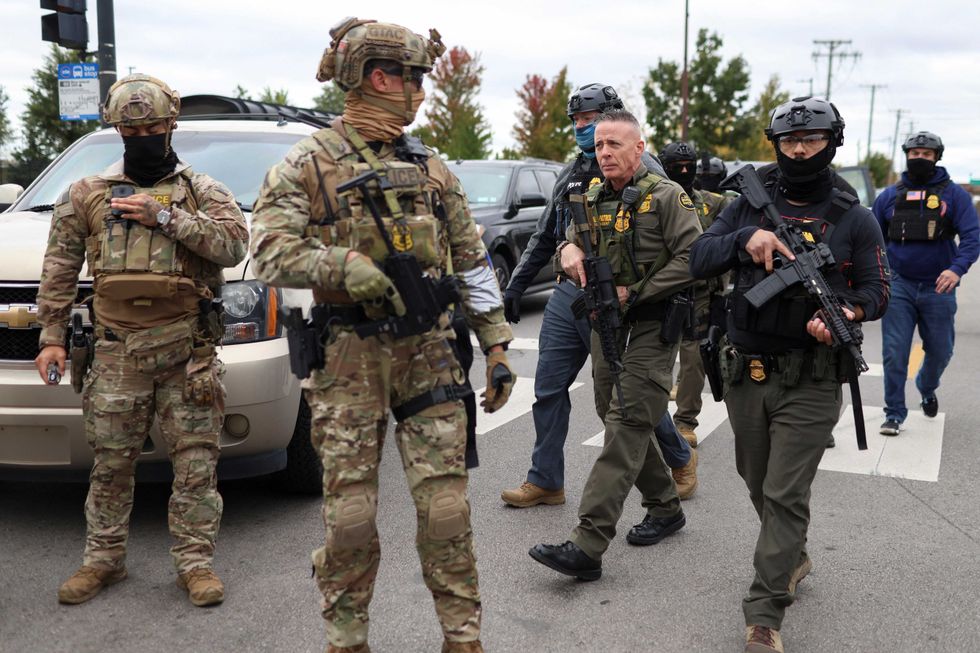
On another front, concerns were raised regarding the potential involvement of Immigration and Customs Enforcement (ICE) during the tournament. Representative Nellie Pou questioned Martinez about the implications of ICE’s participation, fearing it could deter attendees from participating due to worries about immigration enforcement. Martinez reassured the committee, stating, “We have been in constant communication with our federal partners, and we have received no indication of immigration enforcement that will be taking place during the tournament.”
As Miami and other host cities grapple with these pressing issues, the outcome of the funding situation remains critical for the success of the World Cup festivities. The clock is ticking, and decisions must be made promptly to ensure that these events can proceed as planned.