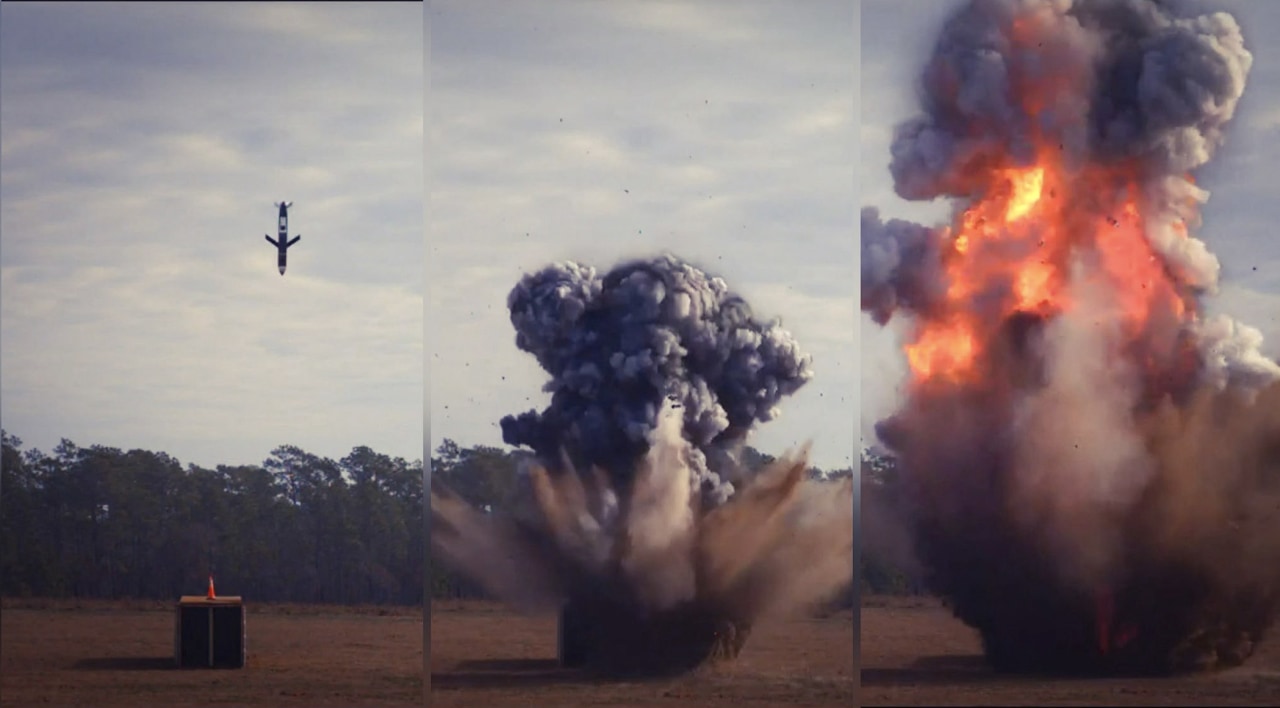
The United States Air Force has successfully developed the new ERAM cruise missile in an impressive timeframe of just 16 months. This achievement signifies a significant advancement in military technology, particularly in the realm of cost-effective weaponry. The development of the ERAM missile, which has been built at a fraction of the cost of similar systems, underscores the Air Force’s commitment to modernizing its arsenal while ensuring fiscal responsibility.
This new missile program emerged from a collaboration involving several defense contractors, including Northrop Grumman and Lockheed Martin. These companies have played essential roles in enhancing missile technology and developing systems that meet the evolving needs of the U.S. military. The ERAM missile is designed to be versatile, capable of engaging a range of targets with precision and efficiency.
Significance of the ERAM Missile
The introduction of the ERAM cruise missile reflects the U.S. Defense Department’s strategy to bolster its defense capabilities while managing costs. Traditional missile systems often come with hefty price tags, making them less accessible for widespread deployment. In contrast, the ERAM missile is touted for its affordability, with development costs significantly lower than those of comparable systems.
Military analysts highlight that the ERAM’s cost-effectiveness could lead to an upgrade of the U.S. Air Force’s overall strike capabilities. This missile is expected to enhance the Air Force’s ability to conduct precision strikes while reducing the logistical burden associated with maintaining more expensive systems.
The rapid development of the ERAM missile aligns with a broader trend within the Pentagon to adopt more agile procurement processes. By streamlining production timelines, the Air Force can more quickly adapt to emerging threats and integrate advanced technologies into its operational framework.
Future Implications for Military Strategy
As the geopolitical landscape continues to evolve, the introduction of the ERAM missile could play a pivotal role in U.S. military strategy. The missile’s versatility makes it suitable for a variety of mission profiles, from tactical strikes to broader strategic operations. This flexibility is crucial for addressing diverse threats in an increasingly complex global environment.
Defense experts suggest that the success of the ERAM program could pave the way for future initiatives aimed at cost-effective weaponry. If the Air Force can replicate this model in other areas, it may lead to a re-evaluation of defense spending priorities across the board.
The implications of the ERAM cruise missile extend beyond the immediate benefits of cost savings and enhanced capability. It could also influence international arms dynamics, as other nations observe the U.S. advancements in military technology. The ability to produce effective yet affordable missiles might inspire similar developments elsewhere, altering the competitive landscape of global defense.
In conclusion, the development of the ERAM cruise missile within 16 months marks a significant achievement for the United States Air Force. This program not only reflects a shift towards more economically viable military solutions but also sets the stage for future innovations in defense technology. As the Air Force continues to explore these advancements, the ERAM missile could prove instrumental in shaping the future of military operations.