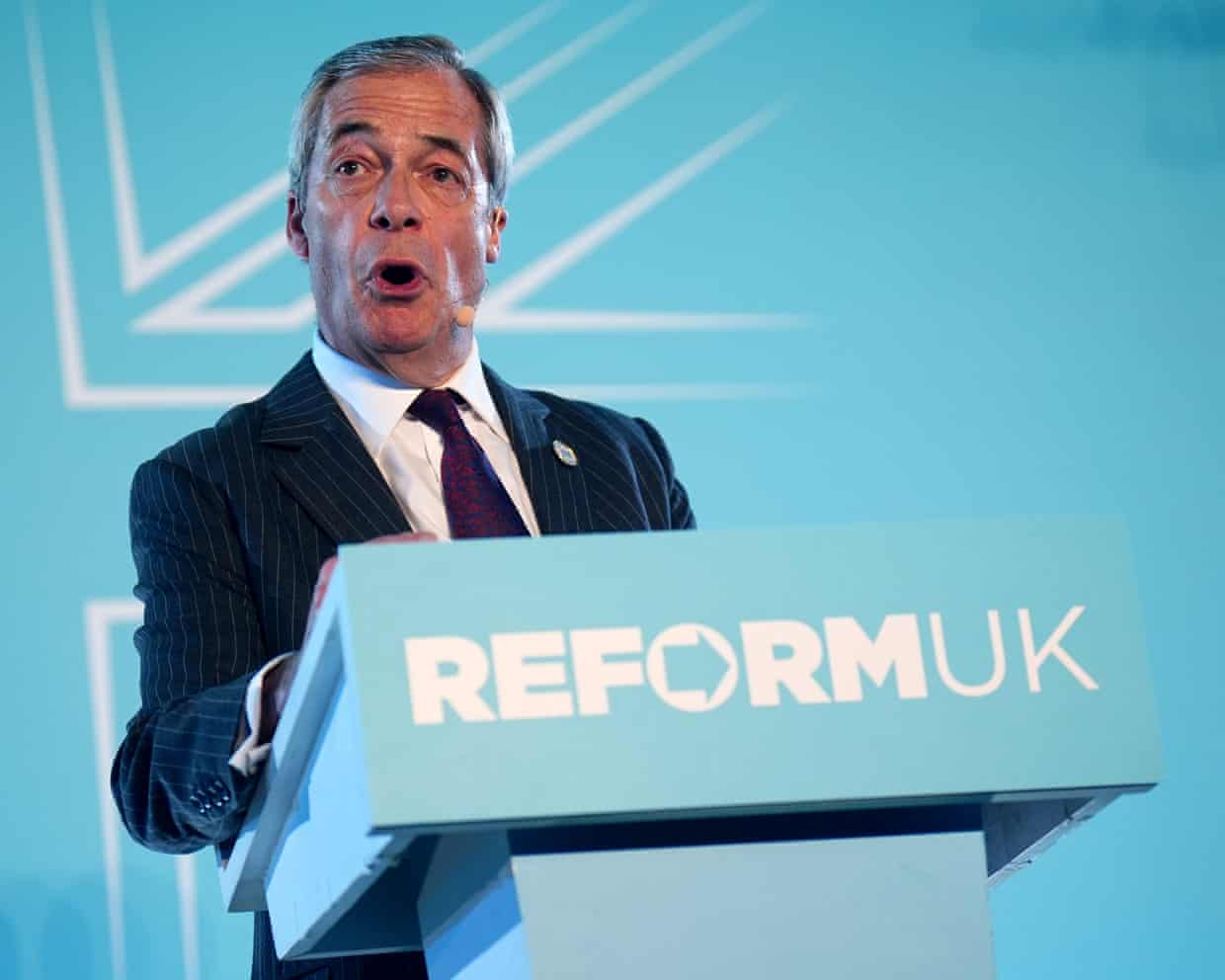
Nigel Farage, the leader of Reform UK, has announced a significant shift in the party’s structure, indicating that it is no longer a “one-man band.” In a move aimed at strengthening the party’s leadership, Farage is set to unveil appointments for four key roles within the party’s new shadow cabinet. This announcement marks a critical step for Reform UK as it seeks to enhance its political influence ahead of upcoming elections.
The anticipated appointments will feature Robert Jenrick, who is expected to take on the Treasury brief. Jenrick’s experience as a former Secretary of State for Housing will bring considerable expertise to this role, potentially positioning Reform UK as a credible alternative on economic issues. The party aims to broaden its appeal by establishing a more robust leadership team and presenting a united front.
Farage’s remarks come as Reform UK seeks to redefine its identity in the political landscape. The party has previously struggled to gain traction, often perceived as reliant on Farage’s personality and public presence. Now, with the formation of a shadow cabinet, Farage aims to showcase a collective leadership model that emphasizes collaboration and diverse viewpoints.
The announcement is expected to take place later this week, with the party’s leadership eager to outline a strategic vision that resonates with voters disillusioned by traditional political narratives. This approach may help Reform UK carve out a niche by addressing issues such as the economy, immigration, and public services from a fresh perspective.
As the political climate in the UK continues to evolve, the formation of a shadow cabinet could provide Reform UK with the necessary tools to engage more effectively with constituents. By appointing experienced figures like Jenrick, the party is signaling its readiness to tackle critical issues head-on.
In the coming days, further details about the specific roles and responsibilities of the shadow cabinet members will be disclosed, shedding light on how Reform UK intends to position itself in the competitive political arena. With the next election cycle approaching, the party’s strategic moves will be closely watched by both supporters and critics alike.
The establishment of a shadow cabinet not only aims to strengthen internal party dynamics but also serves as a signal to voters that Reform UK is prepared to take a more serious role in UK politics. As the party transitions from Farage’s singular leadership style to a more collaborative approach, it will be interesting to see how this impacts its overall strategy and electoral prospects.