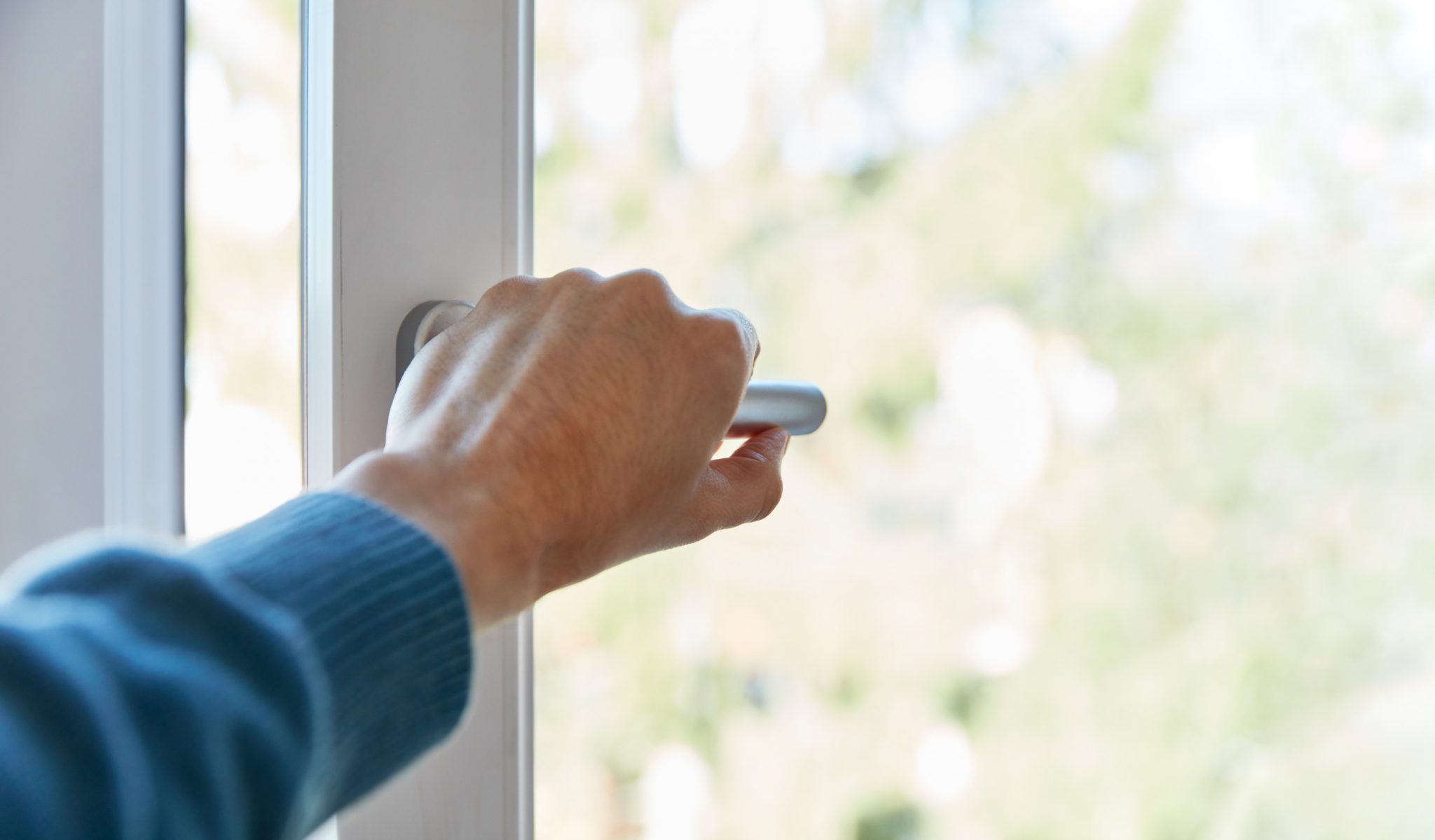
Social media is buzzing with a new trend called “house burping,” where individuals open their windows to flush out stale indoor air in favor of fresh outdoor air. This practice, while playful in name, has its origins in science and public health, particularly in Germany, where it is routinely performed under the term Stoßlüften, meaning “shock ventilation.” This method is employed even in the depths of winter to improve indoor air quality.
The core concept behind house burping is simple: expel potentially polluted air from inside and replace it with cleaner air from outside. But does it work? Experts suggest that the answer is largely affirmative, although its effectiveness varies based on how and when it is done.
Indoor Air Quality
Research indicates that indoor air can be significantly more polluted than one might assume. Common household activities such as cooking, showering, and cleaning contribute to a buildup of invisible particles. Additionally, factors like pet dander and off-gassing from furniture can exacerbate the issue. The air inside modern, well-insulated homes can become stagnant, leading to a concentration of harmful substances, including bacteria, viruses, and elevated carbon dioxide levels.
Vikram Niranjan, an Assistant Professor in Public Health at the University of Limerick, emphasizes that without regular ventilation, this accumulation can adversely affect both physical and mental health. His research has linked poor indoor air quality to serious conditions like chronic obstructive pulmonary disease (COPD) and heart disease.
The Benefits of Fresh Air
During the COVID-19 pandemic, the importance of ventilation gained renewed attention, as it was recognized as an effective method for reducing airborne virus transmission. A study conducted in classrooms showed that opening windows and doors led to a reduction in carbon dioxide levels by around 60 percent and a decrease in simulated virus loads by over 97 percent throughout the school day.
Pets can also serve as indicators of indoor air quality. Veterinary studies have demonstrated that poor air conditions affect animals, particularly dogs and cats, who are more susceptible to airborne pollutants. Furthermore, low-quality indoor air has been associated with diminished cognitive function, irritability, and anxiety. If you find yourself feeling sluggish or irritable, your home may be in need of a fresh influx of air.
Timing Matters
While the concept of house burping is beneficial, it is essential to approach it wisely. For instance, in urban areas near busy roads or factories, opening windows during peak traffic hours can introduce harmful pollutants into your home. A study highlighted that schools located near highways experienced significantly higher levels of PM2.5 and nitrogen dioxide, both of which are linked to respiratory issues and other health concerns.
To maximize the benefits of house burping while minimizing potential risks, consider the following strategies:
– **Avoid peak pollution times**: Typically, pollution levels are highest during morning and evening rush hours. Midday or late-night ventilation is usually more effective.
– **Check the weather**: Ventilate your home after it rains, as rain can temporarily reduce airborne particles.
– **Choose the right windows**: Open windows that face away from busy roads or toward green spaces, where vegetation can help filter pollutants.
– **Implement rapid ventilation**: The German technique of Stoßlüften suggests fully opening windows for five to ten minutes. This quick exchange of air is more efficient than leaving a window slightly open for extended periods.
– **Create a cross-breeze**: Opening windows on opposite sides of your home can facilitate a more effective airflow.
Cost-Effective Health Improvement
The financial implications of poor indoor air quality are significant. Treating conditions such as COPD can incur costs of thousands of dollars annually. In contrast, simply opening windows for a few minutes each day incurs only minimal heating expenses while providing substantial health benefits.
Integrating even a single daily burst of fresh air into your routine can markedly enhance the indoor environment for both people and pets. If outdoor air quality is a concern, consider additional measures like window filters, indoor plants, or HEPA air purifiers to complement your ventilation efforts.
While the idea of house burping may seem trivial, it is grounded in scientific evidence. Allowing your home to exhale stale air and inhale fresh air is beneficial for your lungs, mental clarity, and overall mood. This simple practice can lead to a more comfortable living environment and potentially alleviate headaches caused by poor air quality.