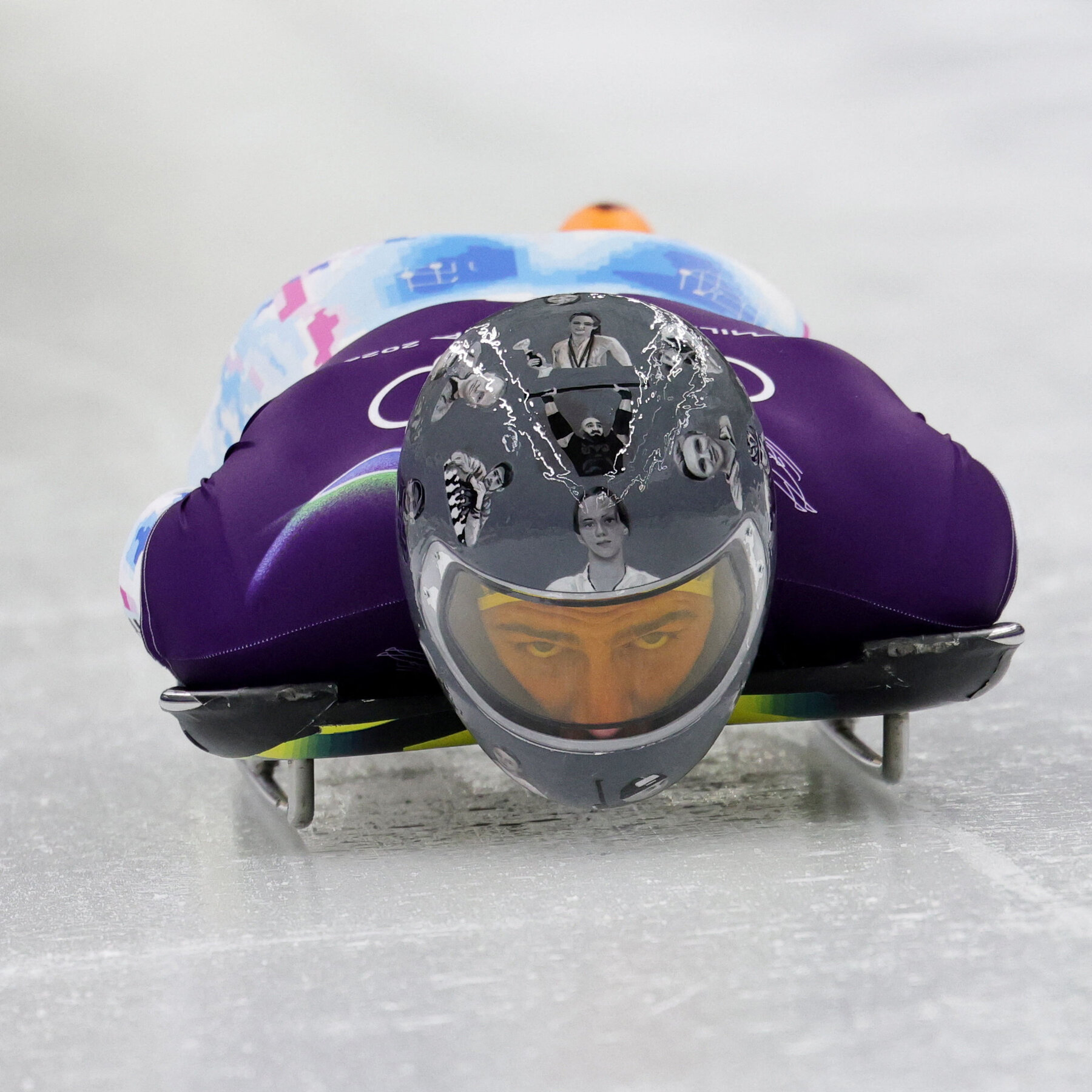
Officials from the International Olympic Committee (IOC) have prohibited Ukrainian athlete Vladyslav Heraskevych from wearing a helmet that honors athletes killed in the ongoing conflict with Russia. The IOC stated that the helmet, which featured a tribute to fallen athletes, violated regulations against political statements during Olympic events. Instead, Heraskevych has been allowed to wear a black armband as a form of remembrance.
The incident occurred during the recent Olympic qualifications, where Heraskevych aimed to draw attention to the impact of the war on sports and the loss of lives among athletes. In an official statement, the IOC expressed that while they recognize the significance of honoring those lost, they must adhere to established guidelines that restrict political messaging during competitions.
Heraskevych’s helmet featured the names of several athletes who have died due to the conflict, highlighting the human cost of the ongoing war. He described the helmet as a personal tribute, emphasizing the importance of remembering those who have sacrificed their lives. Despite the IOC’s ruling, he remains committed to raising awareness about the war’s effects on Ukraine and its athletes.
Response from the Ukrainian Sports Community
The decision has sparked conversations within the Ukrainian sports community and beyond. Supporters argue that athletes should have the freedom to express their grief and solidarity, particularly in the face of such a devastating conflict. Many express disappointment with the IOC’s ruling, viewing it as a missed opportunity to support a nation grappling with war.
Ukrainian officials have also weighed in, criticizing the IOC for what they perceive as a lack of sensitivity toward the plight of their athletes. The spokesperson for Ukraine’s Ministry of Youth and Sports stated that the IOC’s decision does not reflect the seriousness of the situation faced by Ukrainian athletes and citizens.
The controversy underscores the delicate balance between maintaining political neutrality in sports and acknowledging the profound realities of global conflicts. As the Olympics approach, the question of how to address such issues without violating regulations remains a complex challenge for athletes and governing bodies alike.
International Reactions and Future Implications
International reactions to the IOC’s ruling have varied, with some applauding the committee’s commitment to neutrality while others criticize it as an oversight of human experiences. The tension between sports and politics continues to be a focal point of discussion in the lead-up to major athletic events.
Looking ahead, Heraskevych and other athletes may face ongoing challenges in navigating these regulations while trying to honor their fallen peers. As the conversation evolves, it raises important questions about the role of sports in society and the responsibilities of international governing bodies in responding to global crises.
The IOC’s decision serves as a reminder of the complexities surrounding political expression in sports, particularly in times of conflict. As the situation continues to unfold, the balance of respect for athletes and adherence to regulations will remain a pivotal consideration for future events.