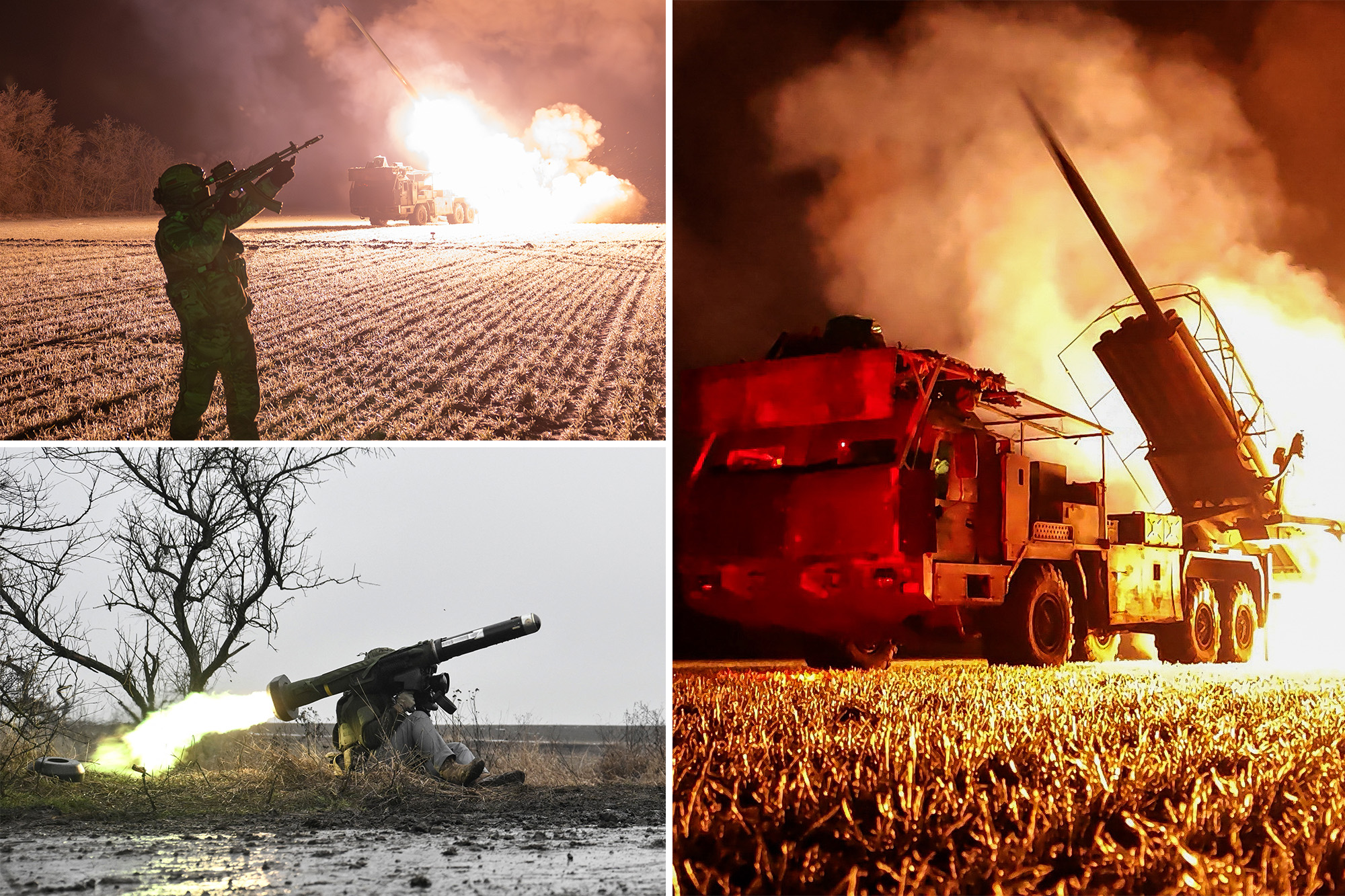
The ongoing conflict between Russia and Ukraine has resulted in staggering military casualties, with a recent study estimating that nearly 2 million troops will have been killed, wounded, or reported missing by spring 2024. The findings, published by the Center for Strategic and International Studies (CSIS), reveal that Russia has suffered approximately 1.2 million casualties, while Ukraine has reported around 600,000.
In terms of fatalities, the report indicates that Russia has lost close to 325,000 soldiers since the invasion began in February 2022. This figure starkly contrasts with Russian President Vladimir Putin’s assertions of an impending victory, as outlined in the CSIS report. According to lead author Seth Jones, “No major power has suffered anywhere near these numbers of casualties or fatalities since World War II.”
The study projects that if the current trend continues, Russia could see an average of 35,000 troops killed or injured each month, with predictions suggesting around 415,000 casualties by the end of 2025. This casualty rate is significantly higher than in previous major conflicts, with losses exceeding those experienced during the Soviet Union’s 1980s Afghanistan campaign by over 17 times and losses in the First and Second Chechen Wars by 11 times.
Analysis of Casualty Trends
The high number of casualties has been attributed to Russia’s inadequate military strategy, poor troop training, diminished morale, and the effective defense strategies employed by Ukraine. The report estimates Ukrainian military losses to be between 100,000 and 140,000, a considerable toll on a smaller army.
The CSIS asserts that Russia’s strategy essentially involves overwhelming Ukraine’s defenses by deploying large numbers of troops, often referred to as “the meat grinder.” Jones commented, “President Putin appears willing to continue to shed Russian blood for Ukraine. He remains undeterred by the high casualty and fatality rates, and Russia’s economic downturn is unlikely to bring the Kremlin to the negotiating table — at least on terms that would be acceptable to Ukraine or Europe.”
Interestingly, Jones noted that many of the casualties originate from less politically significant regions, such as the Far East and North Caucasus, rather than major urban centers like Moscow and St. Petersburg. This could explain Putin’s apparent willingness to sustain high casualty rates.
The Pace of the Conflict
Despite the significant loss of life, the effectiveness of Russian military operations has been called into question. The report highlights that Russian forces have advanced at an average rate of only 15 to 70 meters per day during their most significant offensives, a pace slower than many major military campaigns in the past century, including the infamous Battle of the Somme during World War I.
While both Russia and Ukraine refrain from publicly disclosing their military losses, the CSIS estimates align with figures produced by other analysts in the United States and the United Kingdom. To bolster its ranks, Russia has initiated its first draft since World War II and has enlisted convicted criminals and foreign fighters, including approximately 15,000 North Koreans.
The ongoing conflict continues to take a heavy toll, with the human cost serving as a stark reminder of the war’s severity and complexity. As both nations navigate this challenging landscape, the ramifications of these casualty figures will likely influence military and diplomatic strategies moving forward.