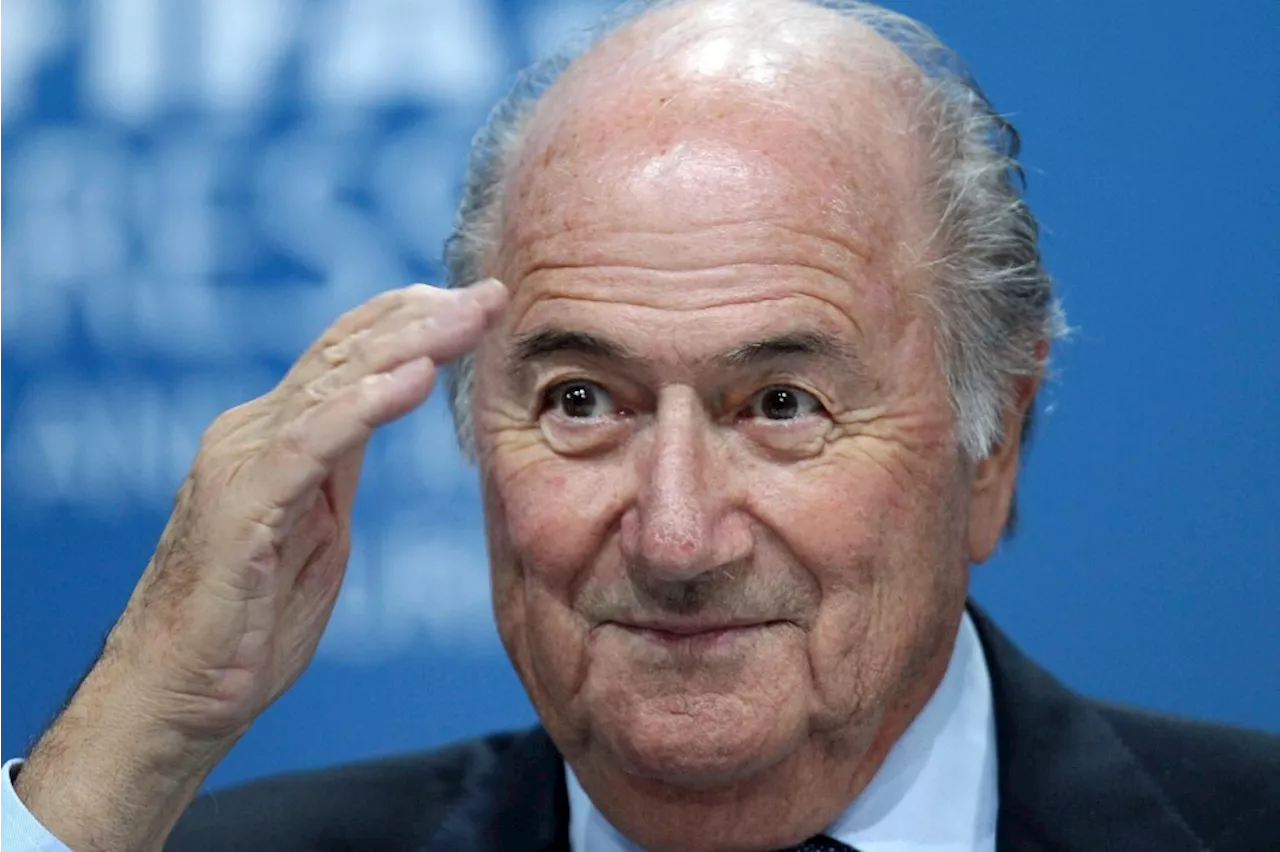
Former FIFA president Sepp Blatter has publicly endorsed a proposed boycott of the upcoming World Cup matches scheduled to take place in the United States in March 2026. Blatter’s support comes in response to concerns regarding the actions and policies of President Donald Trump and his administration, both domestically and on the global stage.
Blatter’s remarks echo a growing sentiment among some international soccer figures who question the appropriateness of the United States as a host nation for one of the world’s largest sporting events. This sentiment is fueled by a variety of political and social issues that have arisen during Trump’s presidency.
The former FIFA president’s call for a boycott aligns with broader criticisms directed at the U.S. government regarding its immigration policies, response to international conflicts, and relations with global partners. Blatter’s concerns reflect a significant divide within the soccer community, as many fans and players contemplate the implications of supporting a World Cup hosted in a politically charged environment.
In recent statements, Blatter emphasized the need for the soccer community to stand in solidarity against what he describes as detrimental policies that contradict the values of sport. He noted that the World Cup should serve as a platform for unity and international cooperation, rather than a stage for political discord.
As the tournament approaches, discussions surrounding the boycott are likely to intensify. Various organizations and fan groups are now considering their positions on attending the matches. The potential impact of such a boycott could be significant, not only for the tournament’s attendance figures but also for the image of soccer in the U.S. and its role in the global sports arena.
Strengthening the calls for a boycott, Blatter joins a chorus of voices from the international soccer community. As the debate unfolds, it remains to be seen how fans, players, and sponsors will respond to the growing chorus advocating for change. The situation serves as a reminder of the intersection between sports and politics, and how global events can influence the sporting landscape.
The upcoming World Cup, which promises to be a historic event, is now at the center of a complex discussion that transcends the game itself. As stakeholders engage in dialogue about the implications of Blatter’s call, the future of the tournament may hinge on the responses from fans and the broader soccer community.