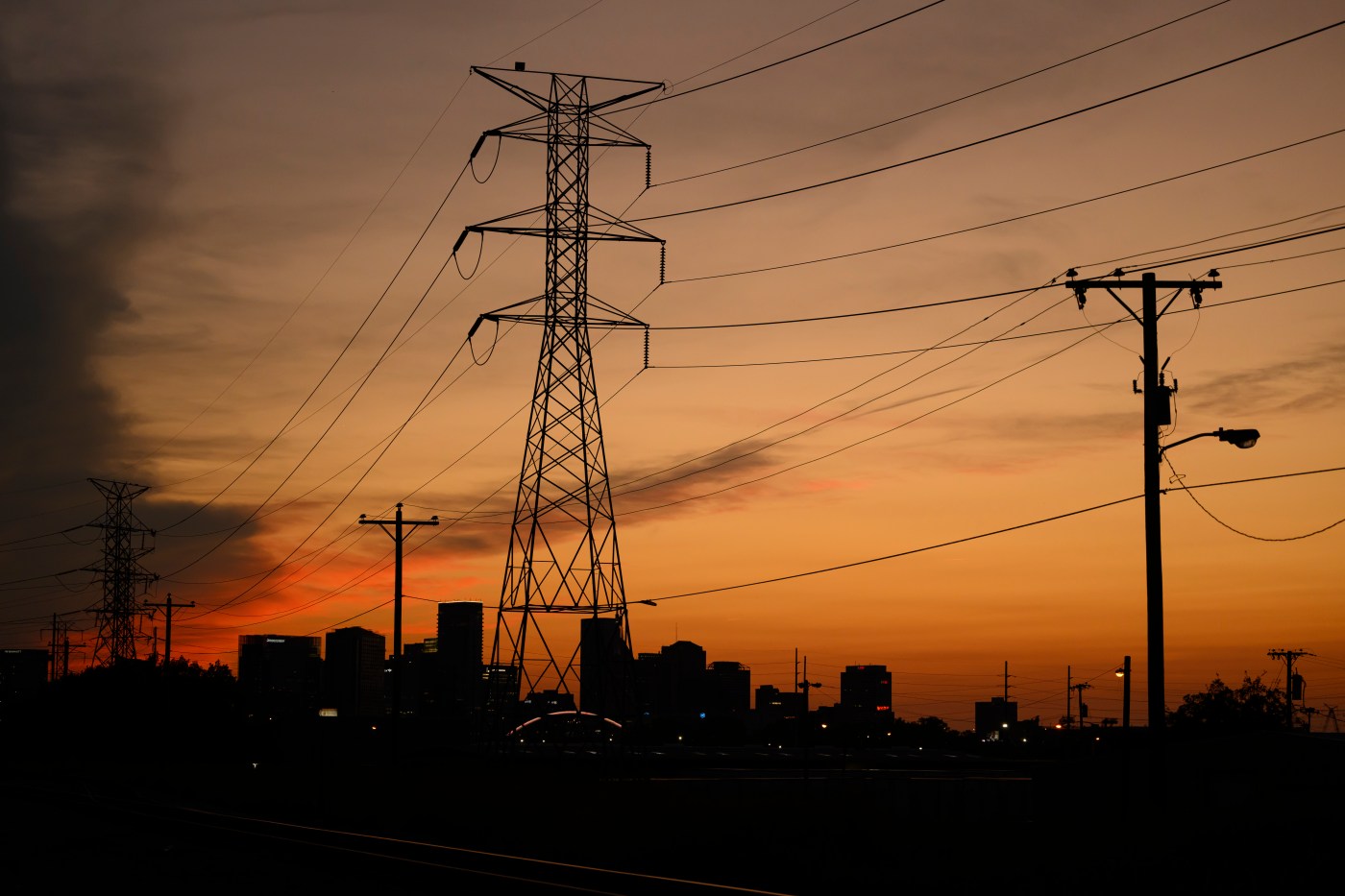
Electricity prices continue to rise in the United States, significantly affecting household expenses as consumers brace for a challenging winter. The National Energy Assistance Directors Association (NEADA) estimates that the average household will spend approximately $995 on home heating this winter, marking an increase of $84 compared to the previous year. Additionally, NEADA reports that residential electricity prices in 2025 have reached their highest levels in a decade, with average monthly bills rising by about 10% since January.
A multitude of factors contributes to this surge in electricity costs, with data centers becoming a central focus of ongoing discussions. NEADA attributes the increase to several key elements: elevated interest rates that raise financing costs for the grid, a growing reliance on natural gas for power generation, increased demand from data centers, aging infrastructure, and regional capacity shortfalls.
In response to these challenges, former President Donald Trump proposed a plan to develop new “reliable baseload” power sources in the Mid-Atlantic region, which is served by PJM Interconnection. The Trump administration outlined its strategy to reduce electricity costs by enhancing reliable power generation, emphasizing the need for PJM to expedite the construction of coal, natural gas, and nuclear facilities.
According to a fact sheet from the U.S. Department of Energy, the National Energy Dominance Council has reached an agreement with governors in the Mid-Atlantic region to advocate for more than $15 billion in new reliable generation capacity. However, a contentious issue remains: who will bear the financial burden of this expansion?
The administration contends that ratepayers should not shoulder the costs associated with meeting the demands of large electricity users, such as data centers. It asserts that PJM should require these facilities to fund the new generation capacity created on their behalf, regardless of their actual electricity consumption. This approach aims to alleviate pressure on the grid and help stabilize consumer prices.
In light of these developments, a bill was introduced in the Senate last week that calls for technology companies to contribute fairly to the costs they generate. This legislation would empower states to assess the feasibility of establishing a new rate class specifically for data centers, allowing for a more equitable distribution of costs relative to residential consumers.
As the debate continues, the implications of these proposals could reshape the energy landscape and impact consumers across the nation. The outcome could determine whether data centers will play a significant role in addressing rising electricity costs or if burdening ordinary households will remain the status quo.