OpenAI is intensifying its focus on robotics, establishing a new humanoid lab in San Francisco. This initiative, which has expanded significantly over the past year, employs around 100 workers dedicated to teaching robots how to perform various household tasks. The company aims to develop humanoid robots, marking a renewed effort in a field it previously explored before shutting down its last robotics program in 2020.
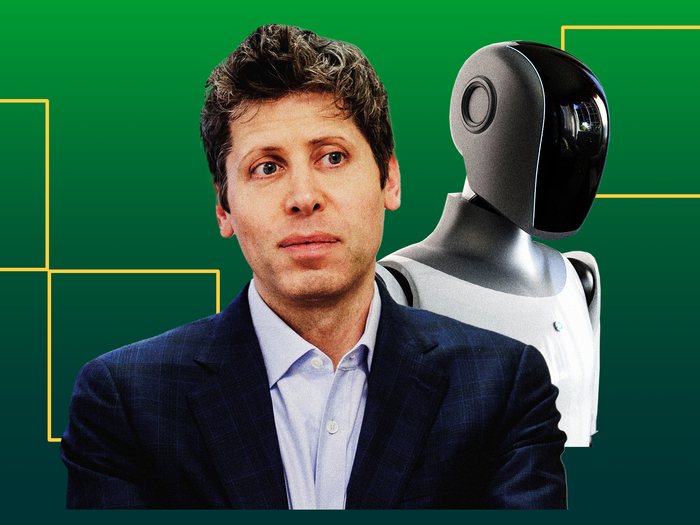
Sam Altman, CEO of OpenAI, suggested last year that the world had yet to witness its “humanoid robots moment,” but he believes it is on the horizon. Insiders indicate that OpenAI’s robotics lab operates from the same building as its finance team, and it has grown more than fourfold since its launch in February 2025. The lab focuses on teleoperating robotic arms, primarily using data collection to refine their performance in everyday tasks.
The lab’s primary project involves operating Franka robots, which are sophisticated robotic arms manufactured by a German company. Workers use custom 3-D printed controllers known as GELLOs to operate these robots, with tasks evolving from simple actions, like placing a rubber duck in a cup, to more complex activities such as folding laundry and toasting bread.
OpenAI’s previous foray into robotics included the development of a robotic hand capable of solving a Rubik’s Cube. The company discontinued this project in 2020, opting to redirect resources towards other initiatives, particularly its successful AI language model, ChatGPT. Now, with its renewed ambitions, OpenAI is looking to integrate AI models with robotic capabilities, potentially using knowledge from ChatGPT to enhance the robots’ ability to interpret and interact with their environment.
Last week, OpenAI issued a request for proposals from U.S. manufacturers to collaborate on its robotics and consumer device projects. While the company has not disclosed the financial specifics or timeline for these initiatives, it signifies a strategic shift towards hardware and consumer applications.
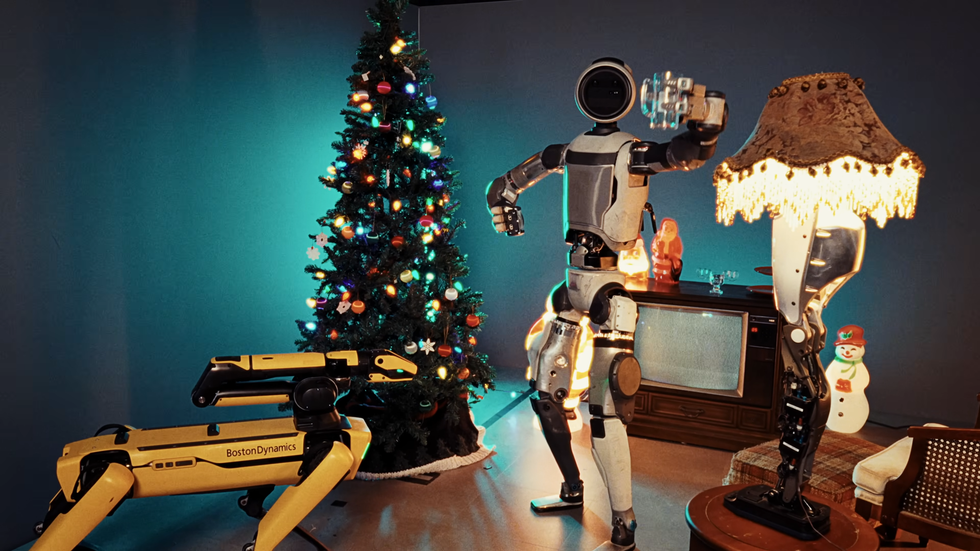
The lab features a humanoid robot that has been described as reminiscent of an iRobot, although it has not been operationally demonstrated to the public. Instead, the focus remains on data collection through teleoperation, a method that enables the robots to learn from human operators. This approach contrasts with competitors like Tesla, which often showcase fully operational humanoid robots in elaborate demonstrations.
OpenAI’s data collection strategy has been effective, with the lab reportedly doubling its expectations for generating functional training data in recent months. The company has hired at least a dozen robotics engineers to support this effort, according to LinkedIn profiles. The methodology reflects a broader trend in the industry, where gathering extensive data sets is crucial for training AI algorithms capable of performing complex tasks.
Jonathan Aitken, a robotics expert at the University of Sheffield, noted the significance of this data-driven strategy. “Everyone is fighting for a way to develop large data sets,” Aitken explained. “The issue has always been getting that data set.” OpenAI’s method allows for cheaper data collection compared to traditional approaches that rely on motion capture technology.
Insiders revealed that OpenAI operates three shifts within the lab, ensuring continuous data collection. Cameras monitor both the operators and the robots to evaluate performance and refine programming based on the metrics gathered. This ongoing process resembles how the company initially scaled data labeling for its language models, highlighting a consistent pattern of leveraging human labor to enhance machine learning capabilities.
While the advancements in the lab are promising, it remains uncertain how quickly OpenAI will transition from data collection to deploying a fully functional humanoid robot. Experts suggest that the current phase is still early, and the company faces the challenge of competing with significant investments made by rivals in humanoid robotics. Aitken emphasized the importance of the lab’s setup, stating, “It does seem to be very early in the process,” while noting the potential for developing a robust interface for various robotic applications.
As OpenAI continues to navigate this complex landscape, its renewed commitment to robotics may redefine the future of household automation and the integration of AI technologies into daily life.