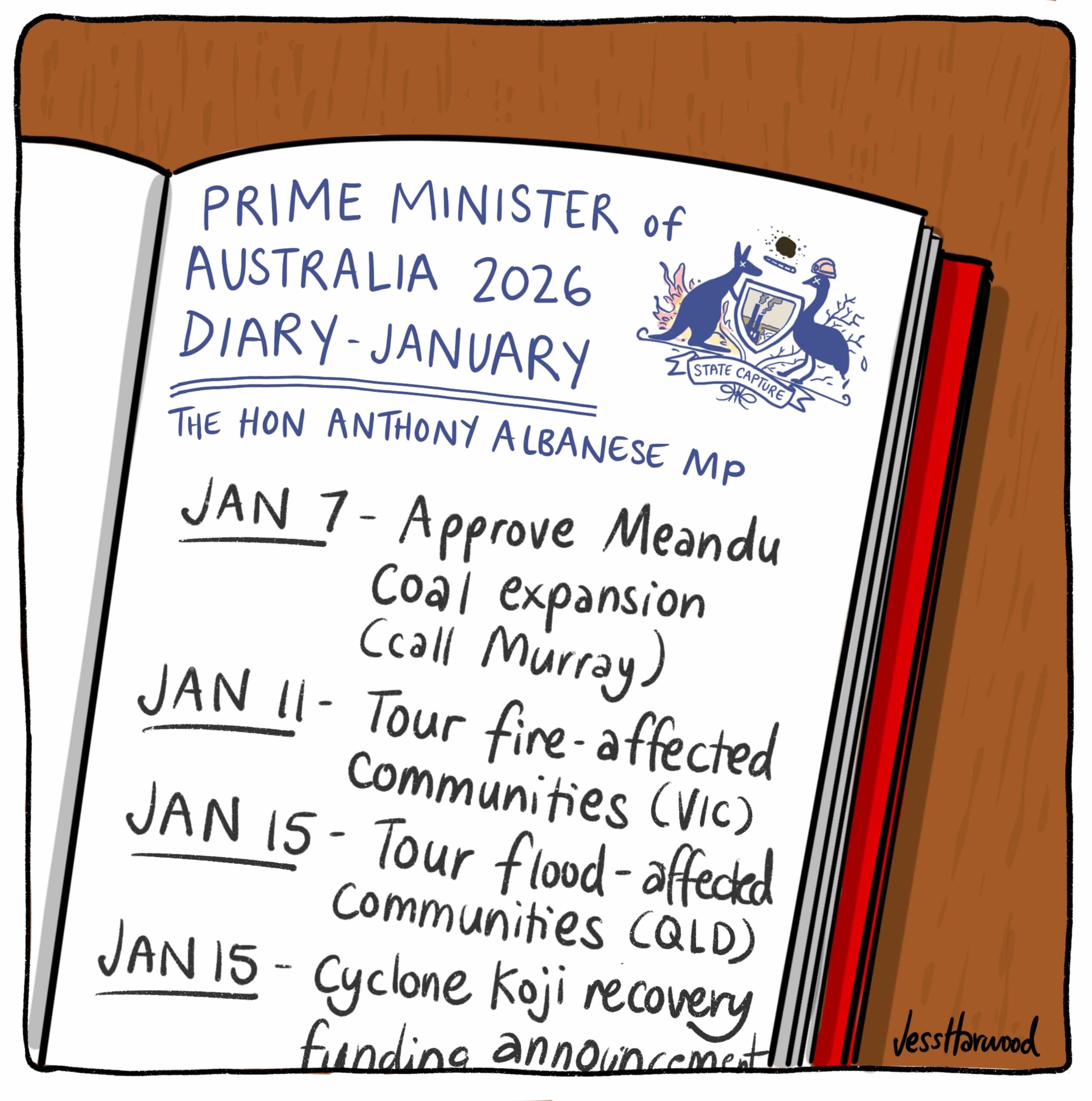
Australian Prime Minister Anthony Albanese has taken decisive action on environmental issues this month, addressing climate change and renewable energy initiatives. In September 2023, he participated in multiple international forums and announced new domestic policies aimed at reducing Australia’s carbon emissions.
Albanese’s government is focusing on ambitious emissions targets, with a goal to achieve a reduction of 43% from 2005 levels by 2030. This plan was presented at the recent United Nations Climate Change Conference, where he emphasized the importance of global cooperation in combating climate change.
International Engagements and Commitments
During the conference, Albanese highlighted Australia’s commitment to delivering on its climate pledges. He asserted that the nation is prepared to support developing countries in their climate efforts, pledging $200 million AUD towards international climate finance. This financial commitment aims to assist vulnerable nations in adapting to the impacts of climate change and in transitioning to renewable energy sources.
In addition to his international engagements, Albanese announced new domestic policies that focus on renewable energy development. His government has earmarked $1.5 billion AUD for the establishment of renewable energy projects across the country, aiming to create thousands of jobs in the process.
One notable project involves the expansion of solar and wind energy infrastructure, which is expected to significantly increase Australia’s renewable energy capacity. The Prime Minister stated that transitioning to cleaner energy sources is critical for both environmental sustainability and economic growth.
Public Response and Future Challenges
The public response to Albanese’s initiatives has been mixed. Environmental groups largely support the government’s renewed focus on climate action, while some critics argue that the measures are insufficient to meet the urgent challenges posed by climate change.
Albanese’s government faces ongoing scrutiny regarding its approach to fossil fuel industries and their impact on emissions targets. While the Prime Minister has committed to reducing reliance on coal and gas, debates continue over the pace and extent of this transition.
As Australia moves forward, Albanese’s leadership will be pivotal in shaping the country’s environmental policies. The international community will be watching closely as Australia aims to balance economic interests with its climate commitments in the coming years.