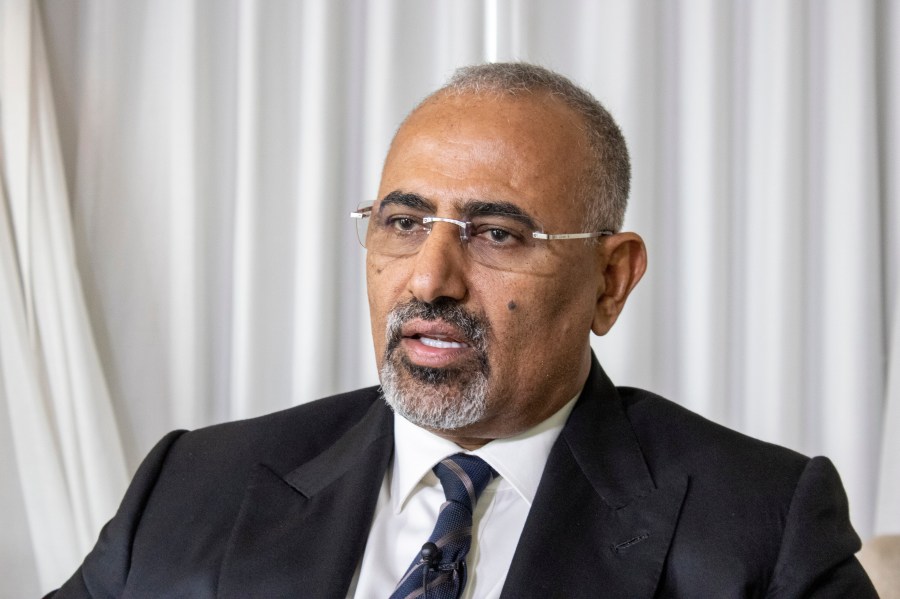
The Yemeni anti-Houthi council announced on March 13, 2024, the expulsion of a prominent separatist leader, citing treason charges against him. This decision follows his reported refusal to attend peace talks in Saudi Arabia aimed at addressing the ongoing conflict with the Houthi rebels. The announcement was disseminated through the SABA news agency, which is aligned with the anti-Houthi coalition.
The council’s statement marks a significant escalation in tensions among groups opposing the Houthi forces, which have been engaged in a protracted conflict since 2014. The separatist leader, whose identity has not been disclosed in the initial reports, was a key figure in the Southern Transitional Council (STC), which has sought greater autonomy for southern Yemen.
This latest development comes as the international community continues to push for a resolution to the crisis. The council’s decision to charge the leader with treason suggests deepening rifts within the anti-Houthi coalition. Analysts warn that such internal divisions could hinder efforts for a unified front against the Houthis, who control significant parts of northern Yemen, including the capital, Sana’a.
The refusal to participate in talks in Saudi Arabia underscores the complexities of Yemen’s political landscape. Various factions within the anti-Houthi alliance have different agendas and priorities, often complicating negotiations. The council’s actions may reflect growing frustration with separatist leaders who they believe are not fully committed to the broader objectives of the anti-Houthi movement.
As the situation evolves, the implications of the council’s decision could extend beyond political maneuvering. It may also impact humanitarian efforts in Yemen, where millions face severe food shortages and ongoing violence. The international community has been closely monitoring the conflict, with organizations calling for a ceasefire and increased humanitarian access.
With the Houthi rebels showing no signs of retreating, the expulsion of the separatist leader adds another layer of uncertainty to Yemen’s already fragile situation. The council’s strong stance against its own members illustrates the high stakes involved in the fight against the Houthis and the challenges of achieving lasting peace in the region.