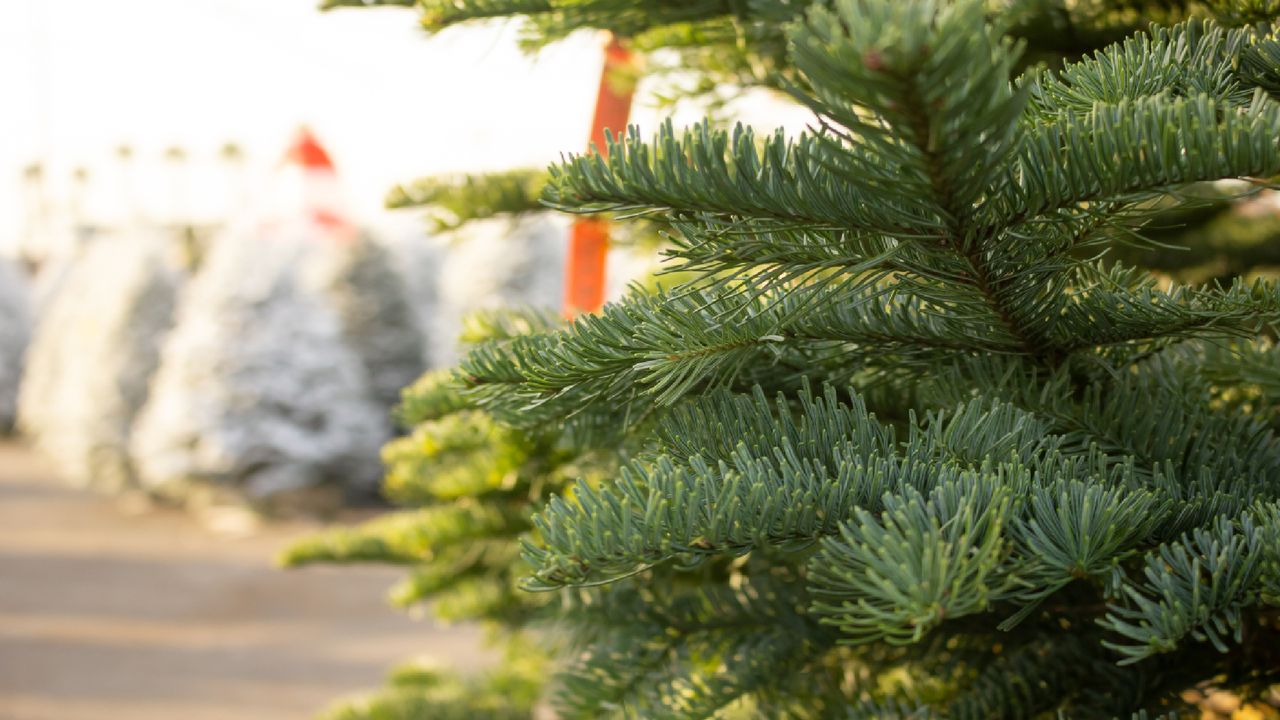
Each January, many households discard their Christmas trees, sending them to landfills. Yet, these trees have potential beyond the festive season. Instead of tossing them away, consider the various ways they can be repurposed around your home and garden. Chris Bonnett, founder of GardeningExpress.co.uk, emphasizes that “all parts of the tree can be repurposed,” turning waste into valuable resources.
Here are seven practical strategies to prolong the life of your Christmas tree and benefit your garden and local wildlife.
1. Create Natural Mulch for Your Garden
Pine wood and needles are excellent materials for mulch, providing moisture retention and weed suppression. To transform your Christmas tree into organic mulch, allow it to dry for a few weeks. Shred the branches into small wood chips, using a wood chipper if available. Let the chips decompose for several months before applying them around trees, shrubs, and garden beds. If a wood chipper isn’t accessible, simply use the pine needles as mulch. They decompose slowly and can be spread around plants in a two to three-inch layer, keeping the material clear of plant stems to prevent rot.
2. Build Wood Chip Pathways
After shredding your Christmas tree, consider using the wood chips to create or refresh garden pathways. A thick layer of wood chips not only suppresses weeds but also retains soil moisture and enhances the garden’s aesthetic. Experts recommend laying down the chips at least three to four inches deep for effective coverage. As the wood chips compact and decompose over time, they enrich the soil beneath, making them particularly suitable for informal cottage-style gardens or woodland areas.
3. Use Branches as Insulation or Plant Stakes
Pine branches offer valuable protection for delicate plants during winter. By cutting larger branches from your Christmas tree and laying them over the soil around tender perennials, you can insulate the ground and reduce the risk of freezing and thawing cycles damaging plant roots. Additionally, branches can serve as plant stakes. Insert them a few inches from the plant’s base at an angle to shield young or fragile plants from harsh winter winds. These evergreen branches will effectively protect your plants throughout the winter before decomposing in the spring.
4. Create a Wildlife Shelter
Your Christmas tree can also support local wildlife. Placing the entire tree in a corner of your garden creates a refuge for small animals and birds. The dense branches offer shelter from wind, rain, and snow while providing safe hiding spots from predators. Birds may roost in the branches at night, while small mammals, such as hedgehogs, can find refuge at the base. Enhance the shelter by hanging bird feeders or fruit slices from the branches, providing additional nourishment during the cold months. Leaving the tree in place until early spring offers extended protection for wildlife.
5. Craft Wreaths and Decorations
Branches from your Christmas tree can be transformed into beautiful decorations that last beyond the holiday season. Use flexible branches to craft a wreath for your door. You will need binding wire, scissors, and optional embellishments to personalize your design. Overlap branches to create fullness, and decorate with pinecones, berries, or ribbons. Smaller cuttings can be fashioned into garlands or centerpieces. Once the decorations serve their purpose, compost the materials or reuse them as garden mulch.
6. Make Fragrant Sachets from Pine Needles
The aromatic pine needles from your Christmas tree can be repurposed into fragrant sachets. Collect fallen needles and allow them to dry completely. Then, place the needles in small fabric bags and tie them with decorative ribbons. The natural pine scent lasts for months, offering a pleasant alternative to synthetic air fresheners. To refresh the fragrance, gently crush the needles inside the bag. These sachets are ideal for freshening up drawers and closets and make thoughtful gifts. You can enhance the scent by adding dried orange or essential oils.
7. Replant Potted Trees in Your Garden
If you purchased a potted Christmas tree with intact roots, consider replanting it outdoors for a permanent home. Gradually acclimatize the tree to outdoor conditions, and select a sunny spot with well-draining soil. Dig a hole slightly larger than the root ball, plant the tree, backfill with soil, and water thoroughly. Maintain consistent moisture during the first growing season as the tree establishes its roots. Over time, your former Christmas tree will grow into a full-sized evergreen, contributing to your garden’s beauty and serving as a habitat for wildlife.
These eco-friendly ideas not only reduce waste but also enhance your garden and support local ecosystems. By taking advantage of your Christmas tree’s potential, you can contribute positively to the environment while enjoying the benefits for months to come.