The Federal Aviation Administration (FAA) has announced the reopening of Caribbean airspace to US carriers, effective at midnight Eastern Time on January 4, 2024. This decision comes after the agency implemented an emergency Notice to Airmen (NOTAM) earlier that day due to a significant US military operation targeting Venezuelan leader Nicolás Maduro in Caracas. As a result, airlines are now set to resume services to numerous airports in the Caribbean, alleviating the travel disruptions that have left thousands of passengers stranded.
The restrictions were enacted early on January 3 as a precautionary measure during the military operation, which involved approximately 150 US military aircraft, including jets, helicopters, and drones. The FAA’s shutdown was prompted by safety concerns following a series of near-miss incidents in the preceding weeks, underscoring fears of midair collisions.
On his social media account, Sean Duffy, the US Secretary of Transportation, confirmed, “The original restrictions around the Caribbean airspace are expiring at 12:00 am ET and flights can resume. Airlines are informed, and will update their schedules quickly.”
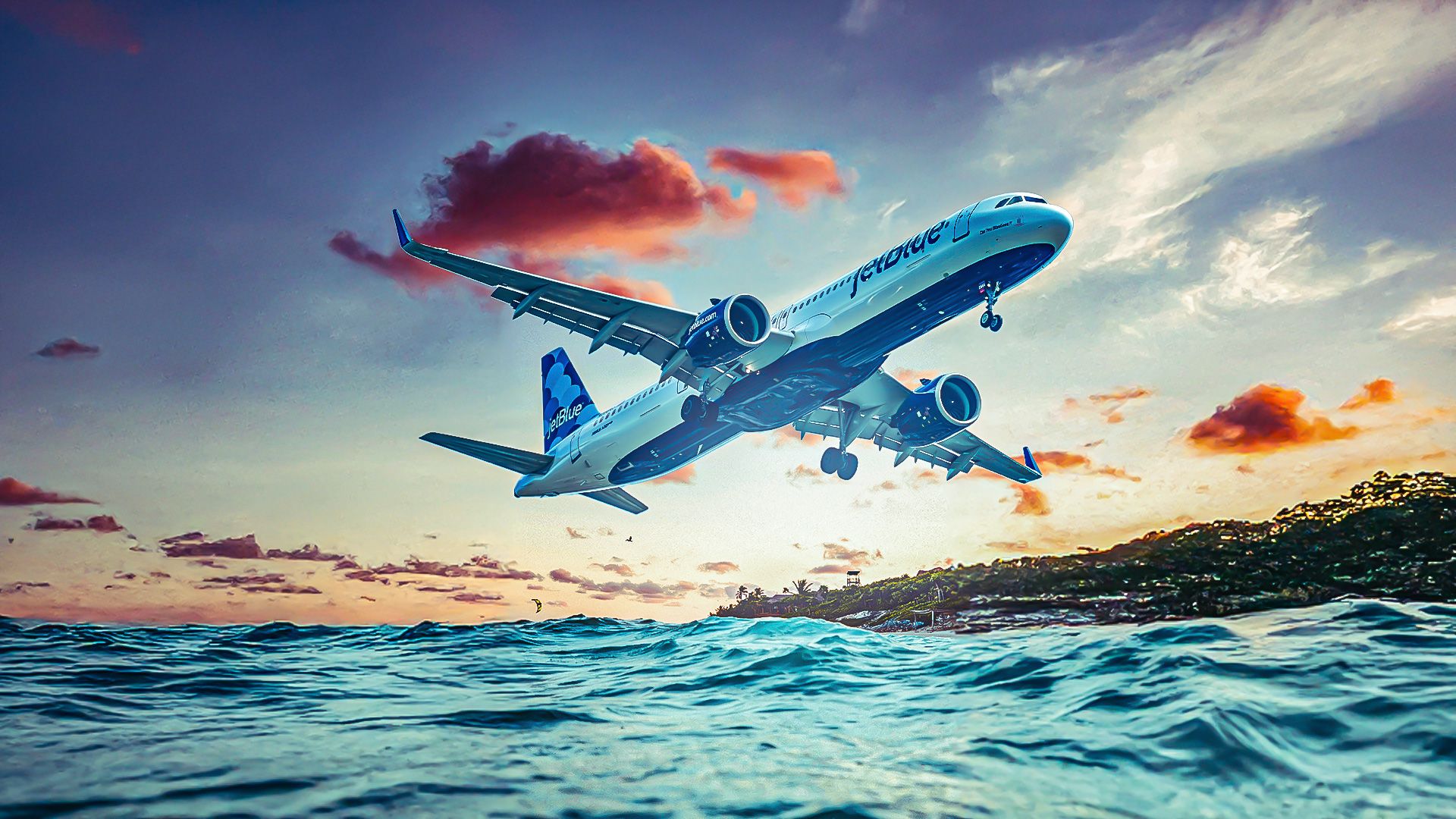
Airlines, including JetBlue Airways and Delta Air Lines, which were significantly impacted by the airspace closure, are preparing to restart operations. JetBlue announced plans to restore normal service on January 4, while also adding additional flights to select routes. The airline had previously canceled over 200 flights due to the restrictions, affecting operations at 15 Caribbean airports. Similarly, Delta scrapped more than 100 flights but is also set to operate its regular Caribbean schedule on January 4, with potential adjustments as resources are repositioned.
American Airlines reported that 19 destinations in the Caribbean were affected by the airspace shutdown, but it too anticipates resuming a normal schedule. United Airlines is also expected to operate regular services starting on January 4, ramping up frequencies where necessary.
The timing of the airspace closure coincided with the busy post-New Year travel period, leaving many passengers stranded. The chaos primarily unfolded at San Juan Luis Muñoz Marín International Airport (SJU) in Puerto Rico, which experienced approximately 400 flight cancellations on January 3, according to data from FlightAware. Other airports, including Cyril E. King Airport (STT) in the US Virgin Islands and Queen Beatrix International Airport (AUA) in Aruba, also faced significant disruptions, each recording around 100 cancellations.
In the US, Miami International Airport (MIA), a key hub for Caribbean flights, reported over 100 cancellations along with more than 400 flight delays on January 3. This disruption has left many travelers frustrated and uncertain about when they will be able to return home.
As airlines prepare to resume operations, they are encouraging affected passengers to check with their carriers for updated flight information and rebooking options. The reopening of airspace signifies a step towards normalcy for travelers eager to return to their destinations or continue their journeys.