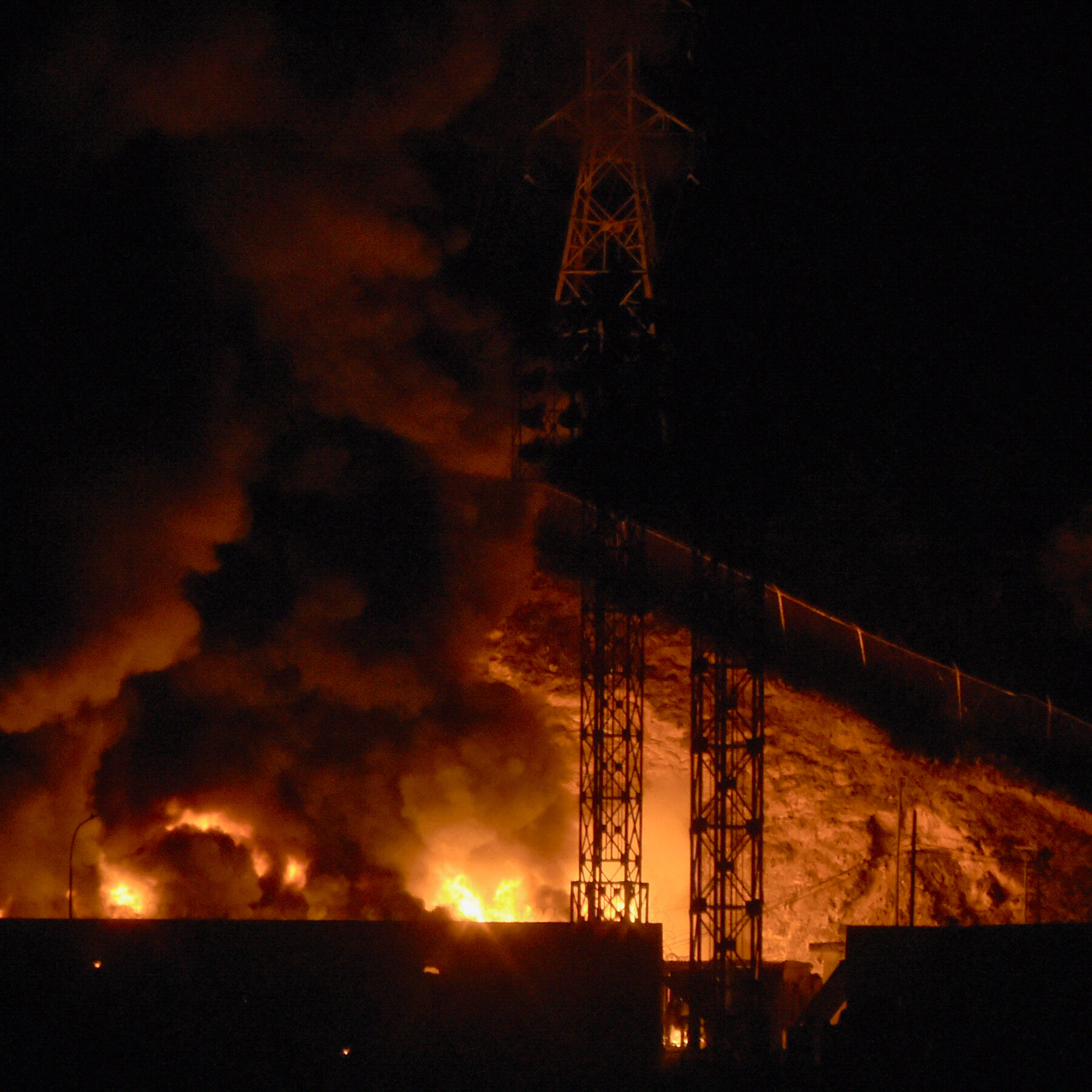
President Donald Trump announced on January 5, 2024, that U.S. forces successfully executed a major operation to capture Venezuelan leader Nicolás Maduro. This action, described as a “large scale strike against Venezuela,” marks a significant escalation in the U.S. government’s long-standing efforts to remove Maduro from power. The operation reportedly involved flying Maduro and his wife out of the country, although specific details about their current location remain unclear.
The U.S. administration had been intensifying diplomatic and economic pressure on Maduro for several months prior to this operation. This included sanctions aimed at crippling the Venezuelan economy, which has been in turmoil for years due to hyperinflation, food shortages, and political instability. The Trump administration’s strategy has often been characterized by a combination of threats and incentives, with the stated goal of restoring democracy in Venezuela.
Background on U.S.-Venezuela Relations
Relations between the United States and Venezuela have been fraught for decades, but tensions escalated sharply following Maduro’s controversial re-election in 2018. The U.S. and several other countries deemed the election illegitimate, leading to widespread international condemnation. In response, the Trump administration recognized opposition leader Juan Guaidó as the legitimate president of Venezuela, further deepening the rift.
The U.S. Department of Defense has not yet provided a comprehensive report on the details of the military operation. However, it is clear that the action was coordinated with various intelligence agencies and was part of a broader strategy to weaken Maduro’s grip on power. In a statement, Trump indicated that the operation was aimed at restoring peace and democracy in Venezuela, a narrative that the administration has consistently promoted.
International Reactions and Implications
The capture of Maduro has drawn varied reactions from around the world. Supporters of the Venezuelan government have condemned the U.S. actions as a violation of sovereignty and an act of aggression. In contrast, many in the opposition and some international observers view the development as an opportunity for a transition towards democratic governance.
Analysts are closely monitoring the implications of this operation for regional stability. Venezuela’s tumultuous situation has had ripple effects throughout Latin America, including increased migration and humanitarian crises. The future of Venezuela remains uncertain, with many questions surrounding the leadership structure that will follow Maduro’s removal.
As the situation develops, further updates from the U.S. government and international community are anticipated. The ramifications of this operation could significantly affect not only Venezuela but also U.S. foreign policy in Latin America moving forward.