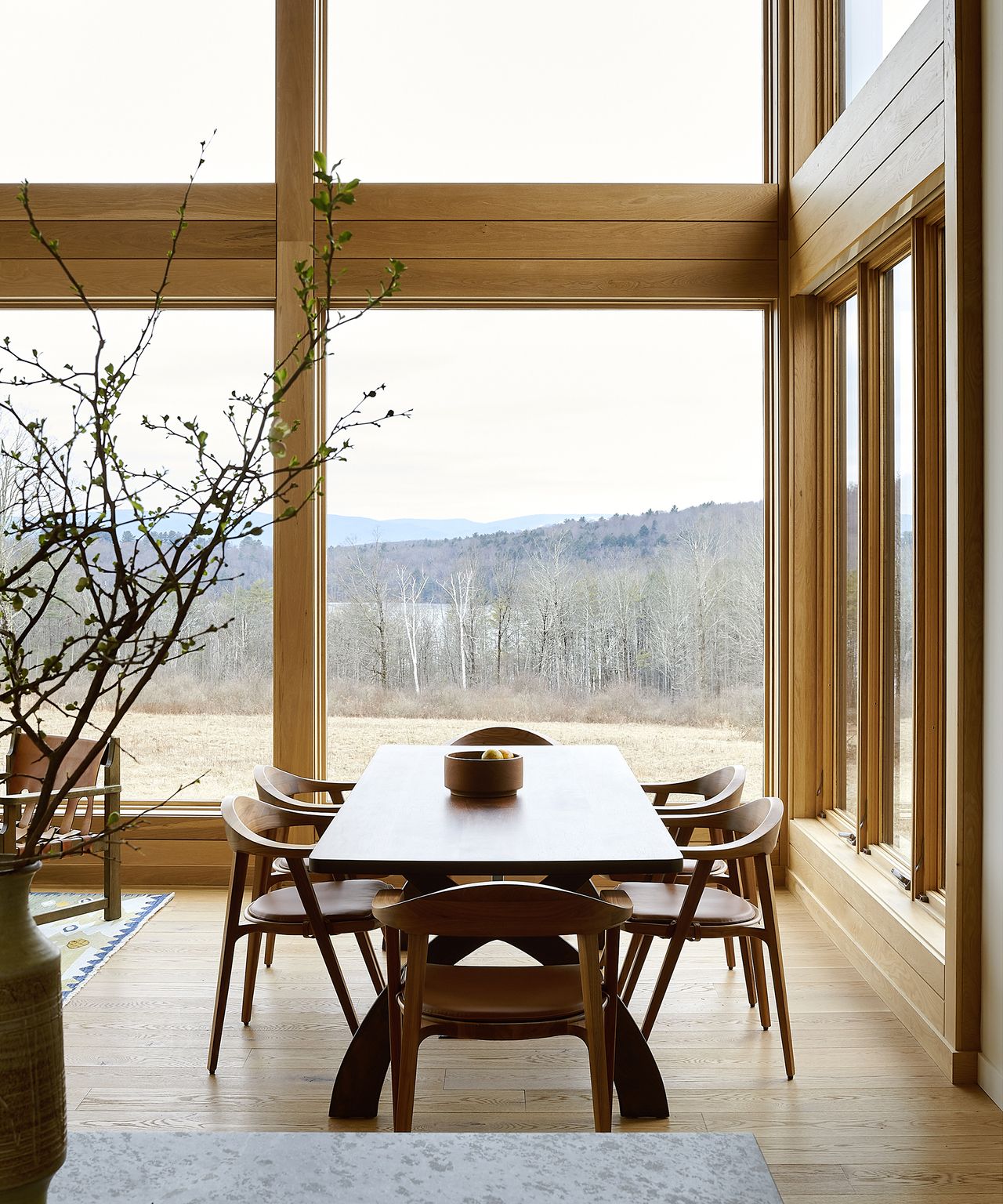
As homeowners embark on renovation projects, understanding where to invest effectively can make a significant difference in creating a harmonious living space. Jess Cooney, an interior designer and new Editor-at-Large for Homes & Gardens, shares insights on five essential elements that can transform a house into a beautiful and functional home. Her perspective emphasizes a blend of aesthetic appeal and practical considerations, guiding homeowners through the complexities of design choices.
Investing in Timeless Design Elements
Renovations often start with an emotional vision, where the desired atmosphere does not match the current state of the home. Cooney identifies the challenge: discerning which investments will add lasting value while avoiding fleeting trends. She emphasizes that not every decision needs to be permanent; items like throw pillows or decorative wallpaper can inject personality into a space, even if they are replaced later.
Cooney highlights the role of designers in helping homeowners navigate these choices. Their expertise lies in distinguishing between temporary trends and enduring investments. The goal is to create a home that not only elevates daily life but also reflects the homeowner’s personal narrative.
Key Areas for Lasting Impact
One of the most transformative aspects of a home is high-quality millwork. Custom cabinetry, paneled walls, and built-in storage solutions significantly influence the architectural integrity of a home. These elements provide both functionality and aesthetic appeal, often going unnoticed yet profoundly impacting daily life. When crafted with care, millwork becomes an integral part of a home’s identity, aging gracefully and addressing practical needs over time.
The kitchen, often referred to as the heart of the home, is another critical area for investment. Cooney asserts that it should be designed with intention, balancing beauty and practicality. Quality cabinetry, durable surfaces, and reliable appliances are essential for a space that supports the family’s lifestyle. A well-planned kitchen not only facilitates daily routines but also serves as a gathering place for family and friends.
Flooring is another area deserving careful consideration. As the largest continuous surface in a home, it sets the tone for every room. Cooney advocates for high-quality materials, such as site-finished hardwood, natural stone, or handmade tile. These options provide warmth and durability, enhancing the visual continuity of a home. Reclaimed wide-plank flooring exemplifies this philosophy, offering character and depth that modern materials cannot replicate.
Lighting and electrical planning are equally important, yet often overlooked. Thoughtful lighting choices can enhance architectural features, create ambiance, and improve the overall mood of a room. Proper integration of technology and functionality is crucial, as these decisions need to be made before the walls are closed up during the renovation process.
Finally, the primary suite is a vital space designed for personal retreat. It should be a sanctuary, providing comfort and tranquility. Investing in this area contributes to overall well-being, making it a wise choice for homeowners looking to enhance their living experience.
Ultimately, Cooney emphasizes that the success of a renovation is not measured by the total expenditure but by the quality of investments made. Areas such as millwork, kitchen design, flooring, lighting, and the primary suite form the foundation of a home that is both functional and enduring. Thoughtful investments in these elements will continue to yield benefits long after the renovation is complete, creating spaces that feel intentional, cohesive, and truly lived-in.