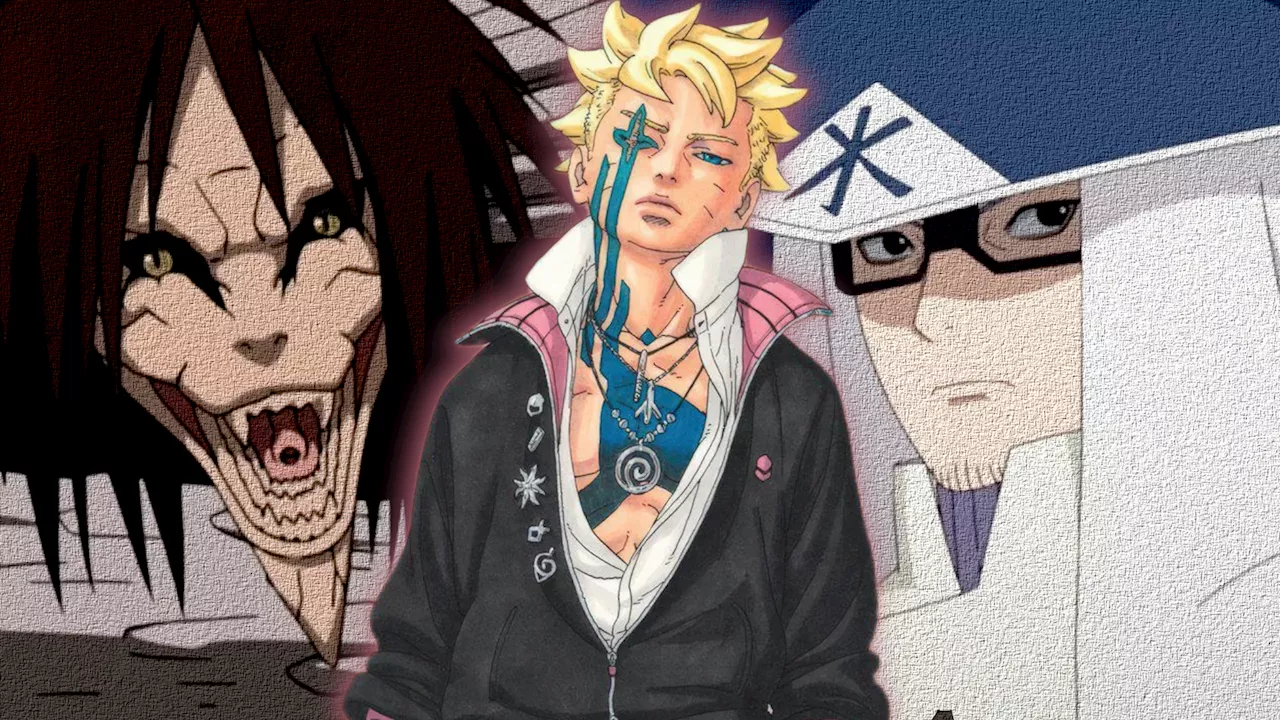
The latest installment of the “Naruto” franchise, titled Boruto: Two Blue Vortex, has garnered significant attention, marking its place in Manga Plus‘s Top 10 chapters of 2025. As the storyline intensifies with Konoha’s heroes confronting the formidable Ten-Tails, a notable absence of classic characters from the original series has led fans to call for their return. This demand is not merely nostalgic; it reflects the potential for deeper character interactions and developments in the ongoing narrative.
Among the most prominent figures missing from the current arc is Kakashi Hatake. Previously a central character and now serving as Hokage, Kakashi’s absence raises questions about his role in the unfolding events, particularly following his agreement to take responsibility for Sasuke Uchiha‘s actions. The current crisis might provide an opportunity for Kakashi to re-engage with the story, especially if he confronts the implications of his past decisions.
Another character who played a vital role in the original series is Iruka Umino. As Naruto’s first mentor and a father figure, Iruka’s absence is notable, especially now that Naruto is missing and presumed dead. His perspective as a teacher and guardian could add significant emotional weight to the story, especially as Boruto grapples with his own identity and legacy.
The presence of Killer B would also enhance the narrative. As the last living jinchūriki other than Himawari, B’s experience could provide valuable guidance as the story unfolds, particularly in navigating the complexities of their unique powers. His absence leaves a gap in the mentorship that could be crucial for the upcoming challenges Boruto may face.
While other characters like Choji Akamichi and Rock Lee have made brief appearances, their roles have not been as impactful as many fans would hope. Choji’s strength and teamwork capabilities could significantly contribute to Konoha’s defenses, while Rock Lee’s absence is felt, especially as his son, Metal Lee, struggles with similar issues of recognition and identity.
The return of Tsunade is also a subject of speculation. As a former Hokage, her experience and wisdom could play a vital role in steering the younger generation through tumultuous times. Fans are eager to see her engage in the storyline, potentially bringing a more seasoned perspective to the current conflicts.
Exploring other villages through characters like Darui and Kurotsuchi could also enrich the narrative landscape. As leaders of their respective villages, their reactions to Boruto’s current status as public enemy number one would add geopolitical tension to the storyline. Their involvement could further explore the implications of Boruto’s actions on a larger scale.
Lastly, the enigmatic Orochimaru remains a lingering presence. Although his hideouts are integral to the plot, his actual participation in the story has been minimal. The potential for his return could introduce new dynamics, especially regarding the evolving threats posed by the Divine Trees.
As the storyline of “Boruto: Two Blue Vortex” continues to develop, the reintroduction of these classic characters could provide essential depth and complexity, enhancing the reader’s emotional connection to the narrative. The demand for their return reflects not only a longing for nostalgia but also a need for stronger ties to the rich history established in the original series. Fans and critics alike look forward to how these beloved characters might influence the path ahead for Boruto and his companions.