Former President Donald Trump made headlines on September 25, 2023, with a provocative post on his social media platform, TruthSocial. In the post, Trump commented on the recent homicide of acclaimed director Rob Reiner and his wife, suggesting that their deaths were linked to what he termed “Trump derangement syndrome.” This remark has ignited a wave of criticism and concern among various public figures and commentators.
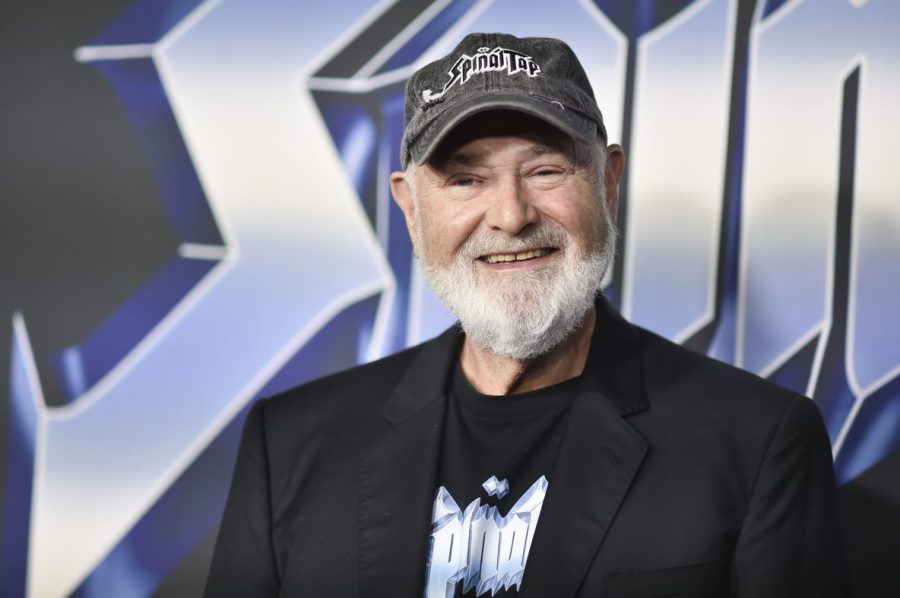
The incident involving Reiner, a prominent figure in Hollywood known for films such as “When Harry Met Sally” and “A Few Good Men,” has drawn significant media attention. Reports indicate that Reiner and his wife were victims of a violent crime, which has not only shocked the entertainment community but also raised deeper questions about the societal climate surrounding political discourse.
Trump’s assertion appears to imply that extreme opposition to his presidency has dire consequences, a claim that many have found controversial. Critics argue that attributing such a serious event to a political phenomenon diminishes the gravity of the actual crime and the loss of life. Public reactions have ranged from disbelief to outrage, reflecting the polarized nature of contemporary political discussions in the United States.
In his post, Trump stated, “Rob Reiner was tortured and struggling,” a reference to his perception of Reiner’s public opposition to him during his presidency. This characterization has drawn further scrutiny, with many interpreting it as an attempt to politicize a tragedy rather than offer condolences or express empathy.
Such statements contribute to an ongoing narrative in which political figures leverage personal tragedies for rhetorical purposes. This trend has raised concerns about the potential impact on public discourse, particularly in light of increasing incidents of violence associated with political extremism.
The response to Trump’s comments has been swift. Numerous social media users and public figures have condemned the remarks, emphasizing the need for compassion in the face of tragedy. Critics have pointed out that, regardless of political affiliations, the loss of life should be approached with sensitivity and respect, rather than as an opportunity for political commentary.
As this situation develops, the focus remains on the broader implications of such political rhetoric. The incident serves as a reminder of the complex interplay between politics and personal tragedy, and the responsibilities that public figures bear in their communications.
The law enforcement agencies investigating the case have not yet released detailed information about the circumstances surrounding the homicides. The community continues to grapple with the aftermath of the event, seeking answers while also reflecting on the ongoing discourse around political division and its potential consequences.
In a climate where political tensions run high, this incident highlights the need for dialogue that prioritizes healing and understanding over division. The reactions to Trump’s comments underscore the sensitivity surrounding the intersection of politics and personal loss, raising important questions about how public figures engage with such topics in the future.