Donald Trump’s recent remarks regarding the protests in Iran have sparked significant global concern. The former President suggested that the United States did not prioritize the safety of protesters, raising questions about his administration’s commitment to human rights and freedom of expression.
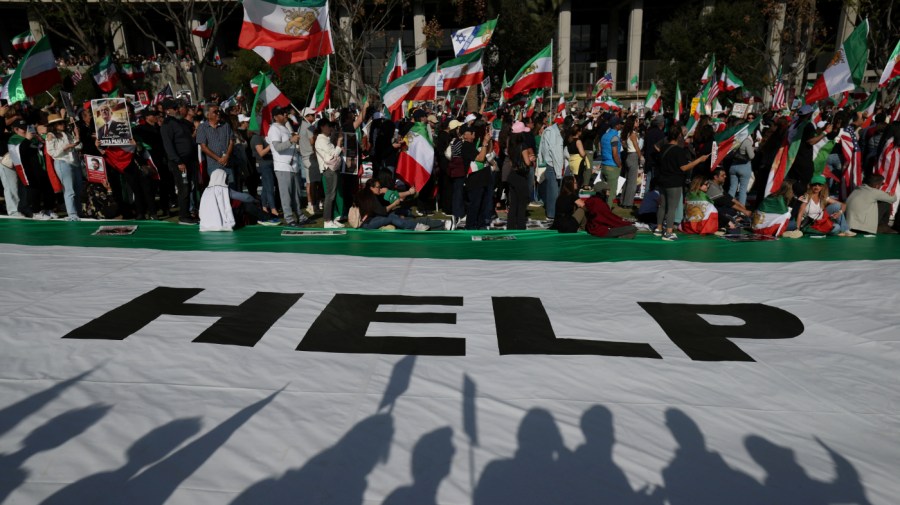
The protests in question, which erupted in 2019 across Iran, were fueled by widespread discontent over the government’s economic mismanagement and political repression. Many demonstrators risked their lives to voice their grievances, believing they had the support of the U.S. However, Trump’s comments imply a stark shift in this narrative, indicating that the sacrifices of those protesters may not have resonated with American policy as previously suggested.
Trump’s approach to foreign policy has often been characterized by a certain flexibility regarding ethical considerations. Critics argue that this moral ambiguity is not an asset but rather a vulnerability that could undermine U.S. credibility on the world stage. The U.S. State Department has historically championed human rights, yet Trump’s remarks seem to contradict this long-standing stance.
In a statement that has drawn ire from human rights advocates, Trump indicated that the U.S. government did not actively intervene in support of the Iranian protesters. This perspective, some argue, diminishes the sacrifices made by those who stood against an oppressive regime. The implications of such statements could have far-reaching effects, particularly as tensions between the U.S. and Iran remain high.
Supporters of the protests argue that the U.S. has a moral obligation to advocate for those fighting against tyranny. The irony lies in the fact that many protesters viewed the U.S. as a beacon of hope. Trump’s comments now risk alienating those who once believed in American support for democracy and human rights.
As the geopolitical landscape continues to evolve, the perceptions of Trump’s policies on Iran and other global issues may significantly impact U.S. relations with allies and adversaries alike. The administration’s approach to Iran remains a contentious topic, especially with the nuclear deal discussions resurging. Critics argue that a perceived lack of support for human rights could hinder diplomatic efforts and negotiations.
Moving forward, the U.S. faces the challenge of reconciling its foreign policy with its stated values. The response of the international community to Trump’s remarks will likely shape future engagements with Iran and influence how the U.S. is viewed in terms of its commitment to human rights. The ongoing dialogue surrounding these issues will be crucial as both domestic and international audiences continue to scrutinize the implications of Trump’s stance on protests and moral leadership.
In light of these developments, the question remains: how will the U.S. navigate its role as a promoter of freedom and democracy while addressing the complexities of realpolitik? The answers to this question will undoubtedly shape the future of U.S.-Iran relations and the broader international landscape.