Israeli Prime Minister Benjamin Netanyahu has announced that his government is closely monitoring the ongoing protests in Iran. These demonstrations have been sparked by various socio-political grievances and have garnered significant attention, not only within the region but also from international leaders. The situation in Iran is evolving, and Netanyahu’s statements reflect concerns about the potential ramifications for regional stability.
On Sunday, October 15, 2023, Netanyahu emphasized the importance of the protests, stating that they could have far-reaching effects that extend beyond Iran’s borders. He noted that threats from U.S. President Donald Trump to possibly take military action against Iran could escalate tensions further. Netanyahu’s remarks highlight the precarious nature of the current situation and the potential for conflict if unrest continues to grow.
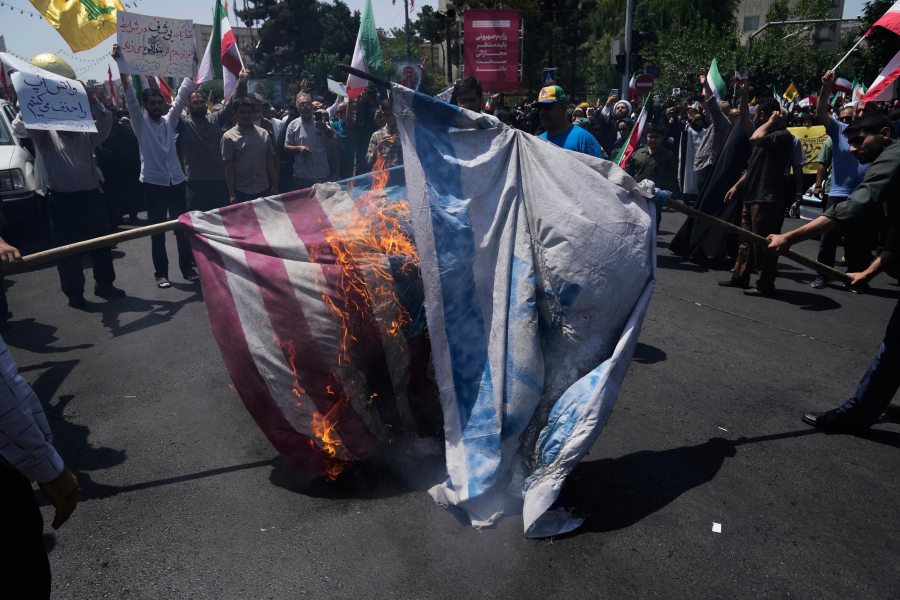
The protests in Iran, characterized by widespread discontent among the populace, have raised questions about the stability of the Islamic Republic. Citizens are voicing their frustrations over economic hardships, government repression, and lack of personal freedoms. As these protests gain momentum, they present both an opportunity for change within Iran and a potential flashpoint for broader regional conflict.
In response to the protests, Netanyahu expressed solidarity with the Iranian people, stating, “The people of Israel, the entire world, are in awe of the courage shown by those standing up for their rights.” This statement indicates Israel’s keen interest in the unfolding events and its hope for democratic change in Iran.
As the situation develops, the international community is paying close attention. Analysts suggest that if the protests lead to significant political change, the implications could alter the balance of power in the Middle East. Conversely, a heavy-handed response from the Iranian government could provoke further unrest and invite external intervention.
The dynamics between Iran and Israel have historically been fraught with tension. Israel views Iran’s nuclear ambitions and support for militant groups in the region as direct threats to its national security. The current protests add another layer to this complex relationship, as Israel assesses the potential for shifts in Iranian leadership and policy.
While Netanyahu’s government remains vigilant, the broader implications of the protests are still unfolding. The situation calls for careful observation, as both regional and global stakeholders consider their responses to the changing landscape in Iran.
In summary, the protests in Iran are not merely an internal issue but a matter of international significance, with implications that could reshape the geopolitical landscape of the Middle East. As events continue to develop, the world watches closely to see how the Iranian government will respond and what that means for regional stability.