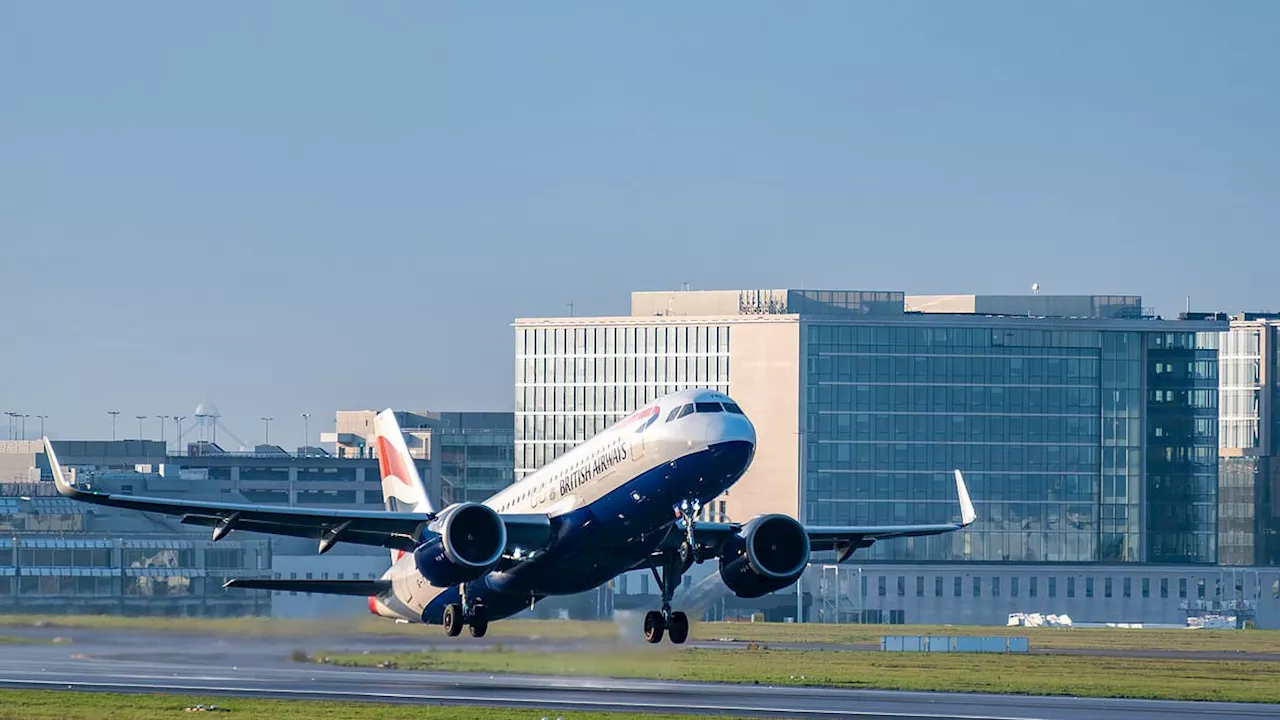
The UK government has enacted new emergency powers allowing airlines to cancel flights weeks ahead amid growing fears of a jet fuel shortage this summer caused by Middle East geopolitical tensions.
These contingency plans come as escalating conflict involving Iran disrupts fuel supplies through the Strait of Hormuz, a critical shipping lane for international jet fuel shipments. The move aims to let airlines consolidate flights, improving fuel efficiency and reducing the number of underfilled planes operating.
Proactive Flight Cancellations to Manage Fuel Supply Risks
The Department for Transport (DfT) stresses that this new authority allows airlines to finalize schedules earlier, minimizing last-minute cancellations and airport chaos. Passengers booked on specific flights may be reassigned to alternative same-day flights on the same route to save fuel.
Transport Secretary Heidi Alexander said there are currently no immediate supply problems, but preparation is vital to prevent major disruptions during the peak summer travel season. She emphasized confidence that most travelers will experience service comparable to previous years despite the fuel challenges.
Consumer Groups and Opposition Raise Red Flags
The plan has drawn sharp criticism. Conservative members and consumer advocate Which? warn that empowering airlines to cancel flights far in advance risks disrupting travel plans arbitrarily and weakens passenger rights on compensation and refunds.
Which? called the changes “an unfair shift of burden onto passengers,” warning existing rules already give airlines enough flexibility with proper notice.
Shadow Transport Secretary Richard Holden described the move as underscoring Britain’s vulnerability to fuel supply shocks – a problem he says a more energy-secure nation would avoid.
Airlines Feeling the Pinch: Flight Cuts Announced
Fuel price surges linked to the regional conflict have forced airlines like Air India to announce steep reductions in flights. CEO Campbell Wilson revealed the carrier is cutting 100 flights for June and July due to soaring jet fuel costs and airspace restrictions.
The Strait of Hormuz remains closed with no immediate resolution in sight, fueling uncertainty for international air travel and increasing the risk of broader service disruptions if fuel shortages deepen.
What’s Next for Travelers?
The government maintains the new legislation balances passenger protection with the business necessity of managing volatile fuel supplies. Airlines now have tools to reduce operational risks, but the effectiveness will hinge on their execution and respect for traveler convenience.
California and US travelers watching global routes should be alert for potential ripple effects, as fuel price instability and geopolitical tensions in critical regions may increasingly influence airline schedules worldwide this summer.
Passengers booking flights in the coming months are advised to monitor updates closely and check airline policies on cancellations and reallocation as this situation develops rapidly.
The next few weeks will prove crucial in determining whether these UK contingency measures can contain disruptions and deliver a smooth peak travel season amid a tightening global fuel supply.