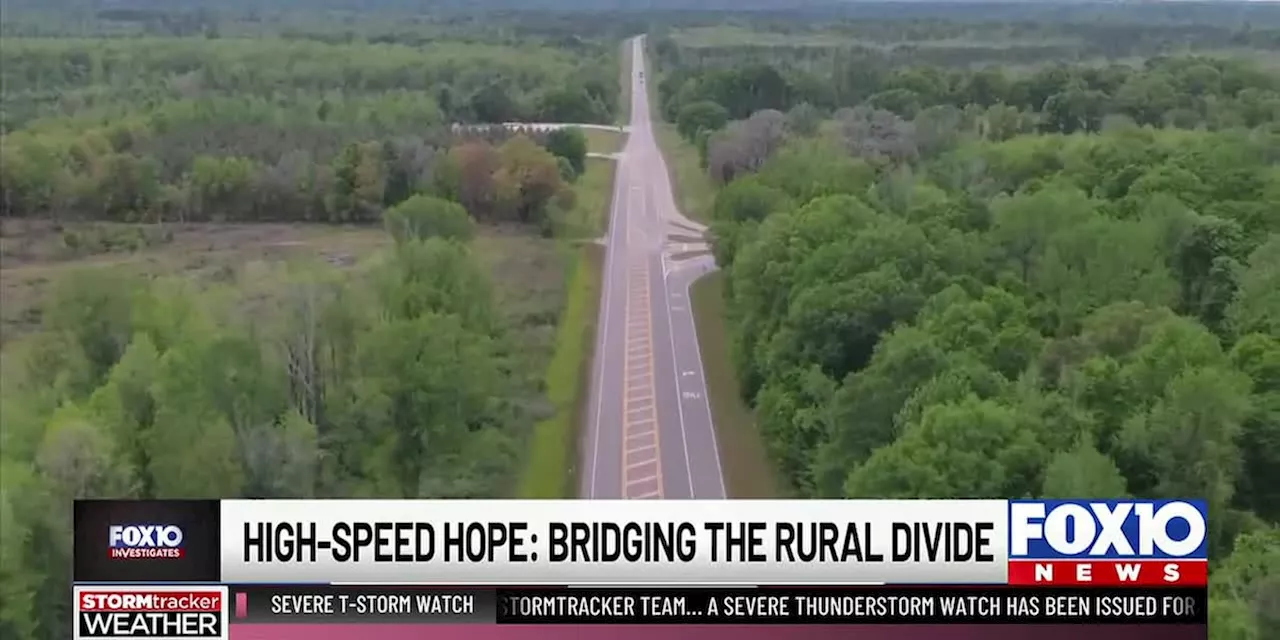
Rural Millry and Chatom Push for Critical High-Speed Internet Access
Small towns in Washington County are still battling the digital divide as reliable high-speed internet remains scarce, affecting residents and businesses in Millry and Chatom. Despite ongoing efforts to extend fiber-optic service, many locals say connectivity problems are urgent and worsening.
In Millry, a town with just over 500 residents and a historic logging past along the Frisco and Burlington Northern Railroad, access to broadband is finally improving — but slowly. Lonnie Guy, a local business owner at Nana and Papa’s Ice Cream and Sandwich Shop, recently saw fiber installed to his home 11 miles west of town, bringing drastic improvements.
“The difference was immediate — faster load times, better speeds and more reliable internet for home and business,” said Guy, who has lived through the area’s dial-up and early broadband struggles.
Still, many in the area are left offline. Chester Caulder, general manager at Millry Communications, says the rural geography poses serious challenges. “We average about 4.7 homes per mile of fiber constructed,” he explained, highlighting how low population density makes deploying high-speed internet costly and slow.
Chatom Residents Face Daily Connectivity Emergencies
A few miles south, in Chatom, the internet situation remains far more dire. The town’s growing population on the county seat depends heavily on stable broadband, yet service is spotty and slow. Landis Waite, a lifelong resident, expressed his deep frustration.
“Internet’s always been pretty much bad… sometimes it’ll take hours for a webpage to pull up,” Waite said. He added that fiber lines were laid years ago but service activation feels stalled.
For many in Chatom, internet outages aren’t just an inconvenience; they cut off critical communication links. Waite recounted how a recent outage caused him to lose texts and calls, forcing him to go outside just to receive messages.
“I gotta walk down to my grandma’s house just to get a hold of her because I can’t call her off Wi-Fi,” Waite said.
The lack of dependable internet affects local businesses, government services, and residents’ everyday lives. Both Millry and Chatom underline a larger national issue: rural communities often lag behind urban areas in broadband access, despite fiber-optic cables and infrastructure investments.
What’s Next for Washington County’s Internet Future?
Local providers like Millry Communications are pushing to expand fiber coverage, promising full-speed internet once customers are connected. But progress remains painstakingly slow due to the scattered population and high installation costs.
As small towns across America grapple with broadband gaps, the human stories from Millry and Chatom highlight the urgent need for faster, more reliable connections. For residents like Guy and Waite, internet access means more than streaming or shopping—it’s about staying connected, conducting business, and maintaining family bonds.
With expanded fiber lines inching forward, residents hope to see meaningful improvements soon. Until then, rural Washington County’s internet woes persist as a stark reminder that broadband inequality remains a critical issue across the country.