RFK Jr.’s Vaccine Program Overhaul Sparks GOP Alarm Ahead of Midterms
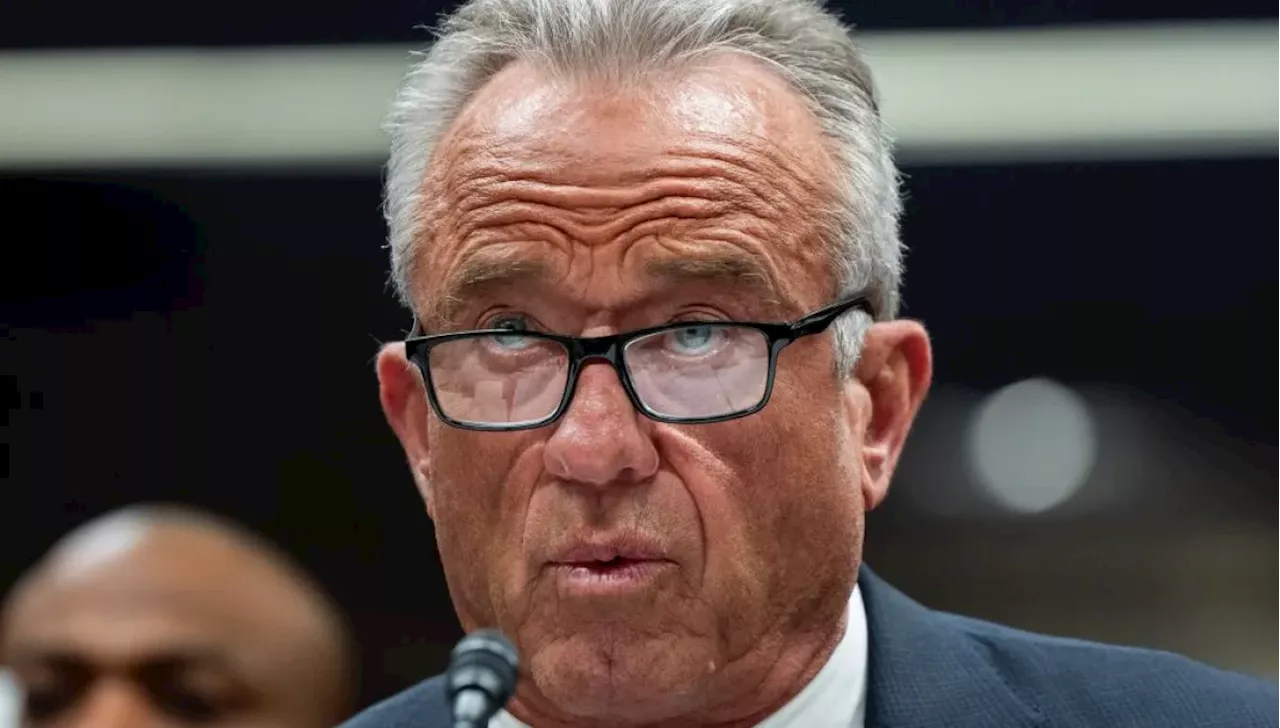
The Trump administration faces a looming political crisis as Robert F. Kennedy Jr., newly appointed Health and Human Services Secretary, aggressively targets the long-standing Vaccine Injury Compensation Program (VICP), threatening to upend America’s vaccine safety net and potentially hand control of Congress back to the Democrats.
With the midterm elections less than eight months away, Kennedy’s push to dismantle VICP and reshape vaccine policy under the Make America Healthy Again (MAHA) banner is causing widespread concern among economists, legislators, and public health experts. The program, which has paid more than $5 billion to injury victims, also provides the regulatory predictability crucial for vaccine manufacturers and ensures steady, affordable vaccine access for millions of Americans.
VICP Under Siege: Why It Matters Now
VICP serves as a rare legal pathway for Americans harmed by vaccines to receive compensation without derailing the vaccine supply chain. Kennedy and his allies, however, are pushing proposals that could overload the program with cases or strip vital protections, sparking fears of collapse. Such a breakdown would disrupt vaccine availability and affordability nationwide.
The Affordable Care Act’s requirement that insurers fully cover vaccines recommended by the Advisory Committee on Immunization Practices (ACIP) hinges on these safeguards. Kennedy’s efforts to overhaul ACIP and its policies put this guarantee at risk, threatening to saddle parents—who have never paid for routine pediatric vaccines—with unexpected bills. This shift could send costs soaring, placing additional financial strain on working-class families just as inflation and cost-of-living pressures mount.
“Families depend on a stable vaccine supply and affordable coverage,” said a Health and Human Services spokesman. “Disrupting this balance jeopardizes public health and economic stability.”
Legal Battles and Political Fallout
Even after a federal judge blocked several of Kennedy’s key appointments earlier this year, ruling his team “distinctly unqualified,” the department has devised extraordinary workarounds, such as issuing a new ACIP charter, to continue advancing the MAHA agenda.
The political stakes could not be higher. Polling data show widespread voter opposition to eliminating childhood vaccine protections, with a recent survey revealing a net 12-point unfavorability for candidates aligned with these policies. Moderates and libertarians—key swing voters who helped fuel President Trump’s 2024 victory—are among those repelled by the MAHA platform.
Experts warn that if Kennedy’s vaccine overhaul continues unchecked, Republicans risk losing critical swing districts in the upcoming midterms. Control of Congress may hinge on these voters’ response to healthcare, freedom, and economic concerns.
What’s Next for Vaccine Policy and the 2026 Elections?
The Trump administration must quickly weigh the electoral consequences of its current health policy strategy. The dismantling of VICP and interference with vaccine coverage could energize Democratic voters and disillusion independents, swinging power back to the Democrats and stalling Trump’s broader legislative agenda.
For millions of Americans, the issue boils down to trust, safety, and access. The response to Kennedy-driven reforms could reshape the political landscape and affect health policy for years.
The California Herald will continue to monitor this unfolding story, bringing updates on court decisions, congressional reactions, and voter sentiment as the midterms approach.