
NASA Commits $20 Billion to Lunar Base Amid Stark Warnings on Humanity’s Future
NASA has announced sweeping plans to establish a $20 billion lunar base and develop nuclear-powered spacecraft for interplanetary travel, signaling a new era of bold space exploration. This comes as scientists deliver sobering forecasts about humanity’s survival, with leading theoretical physicists warning the odds of making it another 50 years are slim due to unresolved cosmic and technological challenges.
The urgency of these developments highlights a critical crossroads for humanity — balancing advanced space ambitions with existential threats here on Earth. These include climate change, geopolitical crises, and the lingering impacts of nuclear disasters like Chernobyl, which remain among the most radioactive and haunting sites globally.
Unveiling NASA’s Ambitious Lunar and Interplanetary Agenda
NASA’s plan, recently detailed to the public, includes a sustainable lunar base project funded at $20 billion, designed to support extended human presence on the Moon and serve as a platform for deeper space missions. Key to these missions is the development of a nuclear-powered spacecraft, heralding faster and more efficient travel within our solar system.
With Artemis II preparations underway, NASA aims to maintain momentum in space exploration while securing America’s leadership role in next-generation aerospace technologies. For Californians, especially those connected to NASA’s Jet Propulsion Laboratory and aerospace industries, these announcements could signal major job growth and scientific opportunities.
The Lingering Shadow of the 1986 Chernobyl Disaster
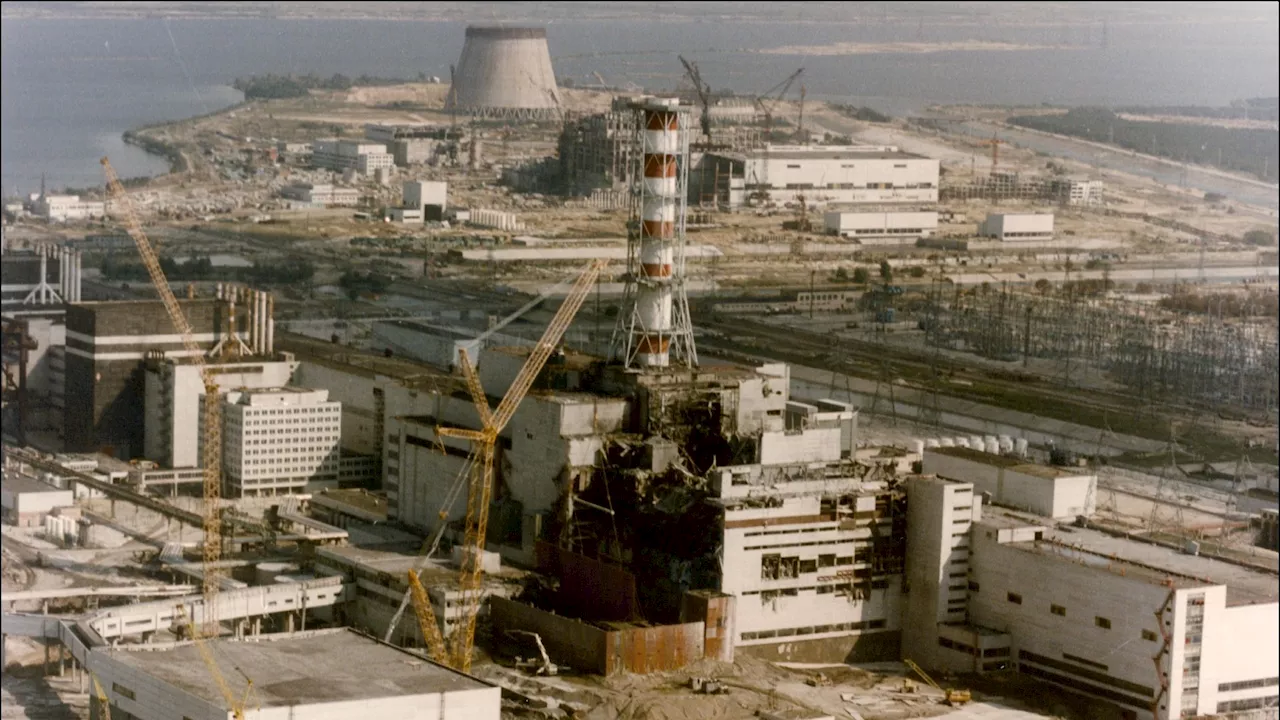
Amid these futuristic announcements, a grim reminder from history remains vividly relevant. The Chernobyl nuclear disaster of 1986—the worst in history—is revisited in fresh detail, exposing the catastrophic combination of human error and flawed reactor testing.
Operators tried to simulate a power outage to test turbine coolant circulation but were interrupted by demands from the Kyiv electricity grid operator to avoid full shutdowns. This forced a rushed and risky test run by a less experienced night crew, culminating in a catastrophic power surge.
In a desperate attempt to control the collapsing reactor power, nearly all control rods were withdrawn, only to have them jam during a frantic final effort. The resulting explosion led to immediate fatalities, widespread evacuations, and long-term health disasters.
Today, the reactor’s molten core mass—infamously known as The Elephant’s Foot—remains a deadly radioactive hazard in the Chernobyl exclusion zone, a grim monument to the disaster. Although early Soviet attempts to conceal the accident failed due to detectable radiation across Europe, the long-term cancer impact is still being understood.
Interestingly, the exclusion zone has turned into an unexpected nature preserve, demonstrating nature’s resilience amid human catastrophe.
Other Urgent Developments Across Science and Environment
Research continues to reveal startling findings such as faster-than-light “darkness” phenomena, ongoing human evolution, and a surprising trend of polar bears gaining weight despite their endangered status. Adding to the drama, a cannonball-sized meteorite recently crashed into a Texas home, coinciding with multiple “fireball” sightings recorded across the US.
Meanwhile, the environmental toll of conflicts like the Iran war remains a growing concern, underscoring the interconnected crises shaping the planet.
What’s Next?
For California readers, these scientific revelations tie directly into regional interests in space tech, environmental safety, and public health. As NASA’s Artemis II mission approaches and lunar ambitions crystallize, California’s aerospace sector stands on the brink of transformative growth.
At the same time, lessons from Chernobyl fuel ongoing debates about nuclear safety and policy, with implications for energy strategies across the US.
Stay tuned as The California Herald tracks these unfolding stories—from the legacy of nuclear disasters to the frontiers of space exploration and humanity’s uncertain future.


