California Republican Lawmaker Locks Voter ID Amendment on November Ballot
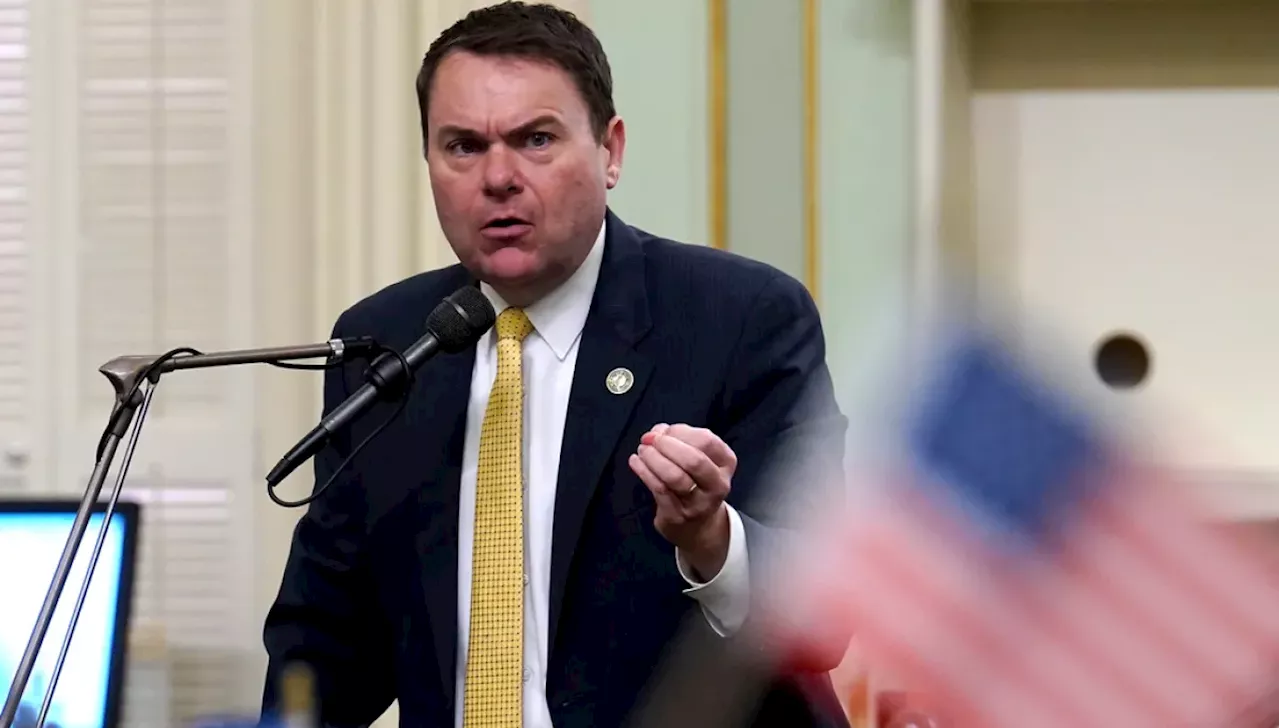
California Republican State Assemblyman Carl DeMaio has successfully gathered more than 875,000 signatures required to place a controversial voter ID constitutional amendment on the November ballot. The measure mandates all voters to present government-issued identification at polling places or provide the last four digits of their ID number for mail-in ballots.
This development was confirmed this week as DeMaio, joined by State Senator Tony Strickland and Californians for Voter ID advocate Donald DiCostanzo, submitted the final paperwork to state officials. The move intensifies a heated political battle set to dominate California’s 2026 election season.
What the Amendment Demands and Why It Matters Now
Currently, California voters must provide identification and Social Security numbers only at registration, not at the ballot box. This initiative would overhaul the process, requiring strict presentation of government-issued IDs at the moment of voting. DeMaio claims this will restore election integrity, improve citizenship verification, and audit voter rolls to prevent fraud.
“Voters will be able to restore election integrity in our state, citizenship verification, auditing voter rolls, and yes, requiring ID to vote,” said DeMaio outside the California State Capitol in Sacramento. “But the hard part is coming up. We’ve got to get the bill passed in November, and the Democrat politicians up here, they don’t want voter ID, so they’re playing all their dirty tricks.”
DeMaio did not elaborate on the “dirty tricks” but acknowledged fierce resistance from California Democrats and civil rights groups who argue the amendment suppresses voters and endangers sensitive personal information.
Opposition Voices Raise Red Flags Over Voter Safety and Security
Jenny Farrell, executive director of the League of Women Voters of California, criticized the measure as a partisan tool rather than a genuine election protection effort. She warned it could expose voters’ private data, create obstacles to ballot acceptance, and wrongly target eligible voters with error-prone citizenship checks.
“This voter ID measure is not about protecting voters; it is about importing the current federal administration’s election lies and intimidation tactics into California,” Farrell said.
Legislative History and What’s Next
DeMaio previously introduced the California Voter ID and Election Integrity Act of 2026, but it failed to move past committee stages. His successful signature drive marks a new phase where the electorate, not the legislature, will decide the measure’s fate.
Now that the measure is officially on the ballot, California voters will face a pivotal choice in November amid a nationwide debate over voter ID laws and election security.
Why This Moment Is Critical
With nearly 1 billion dollars spent on election administration nationwide last year and ongoing partisan clashes over election integrity, California’s voter ID amendment is poised to be a major flashpoint. Its passage could trigger stricter voting requirements in a state known for its expansive voting access and millions of mail-in ballots.
As campaign battles intensify, advocates and opponents are mobilizing voters ahead of the critical November decision, underscoring the high political stakes tied to the future of voting rights in California and potentially influencing national discussions on election laws.
Stay with The California Herald for continuous, in-depth coverage of this developing story and what it means for California voters this election cycle.