Apple and Google Dominate Tracking Tag Technology as Samsung Struggles
New comparative testing confirms Apple and Google lead the smart tracking tag market with highly reliable location updates, leaving Samsung’s Smarttag trailing behind in both speed and consistency.
The latest data shows Google’s Find network, strengthened by recent improvements to activate Android phones in the network, now rivals Apple’s industry-leading Find network for accuracy and real-time device tracking. This comes after years of Google’s network starting with noticeable delays and patchy updates.
In practical tests, both Apple AirTags and Google-connected tags successfully provided near-instant locations of tracked items, while Samsung’s Smarttag experienced update lags as long as several hours, including a notable failure to update positions for hours during a test at a busy international airport.
How Tracking Tags Work and Why It Matters Now
These small gadgets connect via Bluetooth to nearby smartphones, leveraging those phones’ GPS and internet to report their exact positions back to the owner. This crowdsourced approach keeps battery life of the tags at a year or more and enables comprehensive coverage in densely populated areas like California’s urban centers.
The efficacy of these networks depends heavily on how many users’ devices contribute to the system. Apple’s iPhone ecosystem was the first to create a large and effective network, giving it a significant early advantage. Google, by expanding Android phones’ participation, has recently caught up substantially.
Samsung’s System Falls Behind in a Crowded Market
Samsung’s approach uses its own network called SmartThings Find, which functions only through a selection of Galaxy phones. This limitation reduces the pool of devices reporting tag locations compared to the broader Apple and Google networks.
The result: Samsung users often face frustrating delays, making tracking unreliable in time-sensitive situations. This is a critical drawback as more Californians rely on these trackers for securing keys, wallets, and personal items in both urban and outdoor settings.
Third-Party Tags and Cross-Platform Benefits
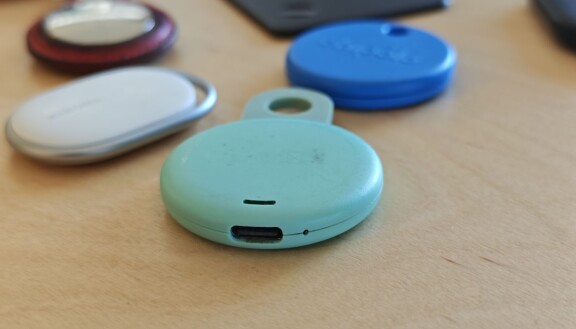
Brands like Chipolo have introduced multi-network trackers that support both Apple’s and Google’s networks, offering flexibility for users uncertain about their future smartphone choices. However, since these tags cannot connect to both networks simultaneously, their main benefit lies in gifting or future-proofing rather than enhanced tracking.
Unique features such as wireless charging on Chipolo Loop or USB-C charging on Chipolo Card, along with functions like ringing your phone or remote camera triggering, add convenience beyond simple location tracking.
Security Measures Tighten to Prevent Illegal Tracking
Manufacturers including Apple, Google, Samsung, and others have agreed on protocols to alert users if unknown tags are detected following them, addressing privacy concerns raised since the widespread adoption of tracking devices.
These security updates ensure that Californians and other Americans remain protected from potential misuse while benefiting from these handy location tools.
What to Expect Next for Smart Tracking in California
With Apple and Google solidifying their lead, the market will likely see more innovations focusing on user convenience and cross-platform compatibility. Samsung faces an urgent need to improve its network participation or risk losing ground.
For Californians relying on these trackers daily—from busy commuters to outdoor enthusiasts—selecting a brand now means weighing reliability, battery options, and ecosystem compatibility carefully.
The latest testing confirms Apple and Google networks provide the fastest, most dependable location tracking today with Samsung struggling to keep pace.