Alpha-Gal Syndrome Cases Soar Amid Arkansas Tick Season
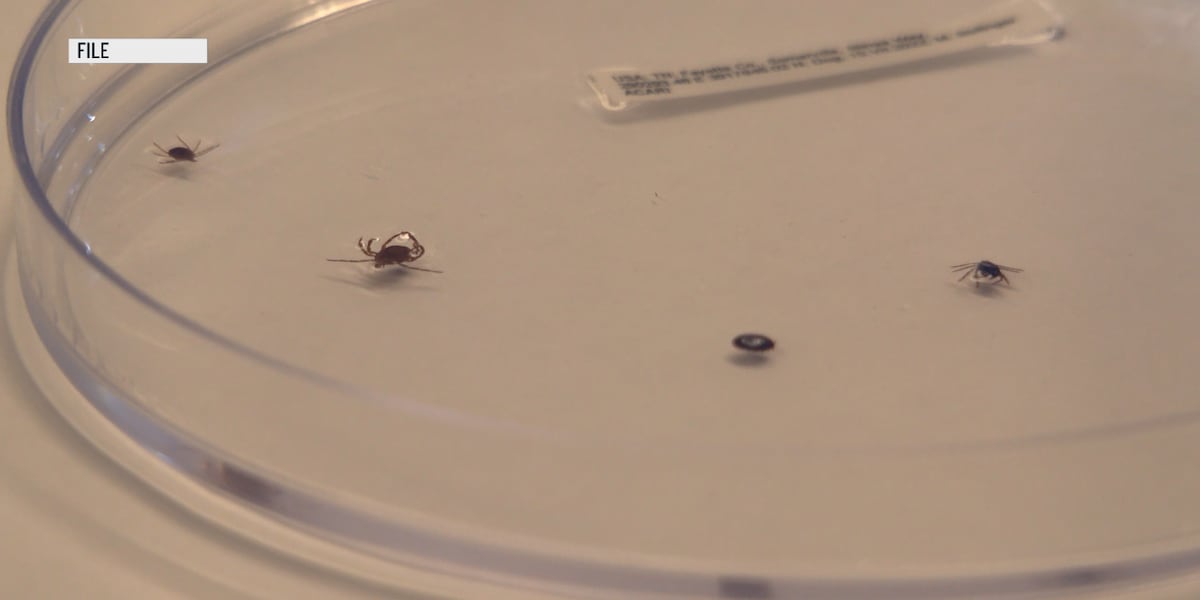
Ticks are swarming Arkansas this spring, triggering an alarming surge in cases of Alpha-Gal Syndrome, a little-known but potentially severe allergic reaction to red meat following Lone Star tick bites.
Health officials report an unprecedented jump in confirmed or probable Alpha-Gal cases from 70 in 2026 to 344 this year, with 249 suspected cases still being confirmed in recent months.
Dr. Shane Speights, Dean at the New York Institute of Technology at Arkansas State, warns that Lone Star ticks carrying a specific sugar molecule are spreading this dangerous reaction across the state.
“You can get violently ill from eating just a little bit of steak or hamburger,” Dr. Speights said, highlighting the serious nature of the allergy.
Ticks Thrive Along Arkansas Rivers and Woodlands
Lone Star ticks, along with dog, deer, and Gulf Coast ticks, are prevalent statewide but especially concentrated in northeast Arkansas near places like the Spring River and other large waterways, increasing exposure risks.
The blooms in tick populations mark a high-risk period for outdoor activity in Arkansas, but this threat is now drawing urgent national attention as related illnesses escalate.
The Hidden Danger of Alpha-Gal Syndrome
Unlike more familiar illnesses such as Lyme Disease or Rocky Mountain spotted fever, Alpha-Gal Syndrome causes a delayed allergic reaction to red meat that may persist for months or longer.
Symptoms can include fever, chills, body aches, and rashes following a tick bite, but victims often aren’t aware their red meat consumption will cause life-threatening illness.
The Lone Star tick injects a sugar molecule called Alpha-Gal during its bite, which triggers the allergy. Affected individuals typically develop symptoms hours after eating meat.
Immediate Action Urged for Those Bitten
Experts stress the importance of prompt medical care if a tick remains attached for more than 36 hours, recommending immediate antibiotic treatment to reduce infection risk.
Speights advises swift removal: “Lift up gently with tweezers, pull until the tick lets go to avoid leaving parts in the skin that can cause infection.”
Preventative Measures Key as Tick Season Peaks
Officials urge everyone to take precautions including wearing light-colored clothing, high socks, pants tucked into boots, and avoiding tall grass to reduce tick contact.
Showering within two hours after coming indoors is also advised to wash off ticks that have not yet latched on.
While the alarming rise in Alpha-Gal Syndrome cases is centered now in Arkansas, growing tick populations and expanding habitats across the U.S. signal potential risks elsewhere — including California.
As outdoor season heats up nationwide, awareness and prevention remain critical to protect millions from this emerging public health threat.
What to Watch For
Health authorities nationwide should monitor tick-borne illnesses like Alpha-Gal Syndrome closely as the spring and summer seasons progress. Californians and other Americans heading outdoors must remain vigilant about tick safety to avoid serious complications.
For anyone bitten by a tick, immediate removal and medical evaluation are key steps to prevent severe reactions and infections.
Stay informed and prepared as tick season unfolds, because in 2026, this hidden allergy is making an urgent leap into public consciousness.