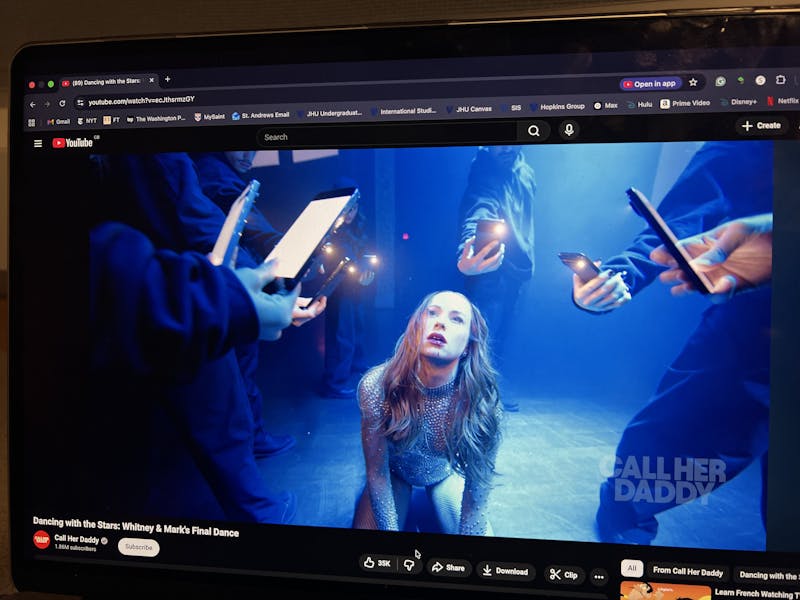
The recent finale of Dancing With the Stars saw Robert Irwin and his partner Witney Carson take home the coveted Mirrorball trophy, but the season raised important questions about the influence of social media on voting behaviors. Particularly notable was the elimination of contestant Whitney Leavitt, who faced significant backlash from viewers, reflecting a troubling trend in how social platforms shape public opinion.
Reality TV and the Power of Groupthink
Leavitt, known for her appearance on The Secret Lives of Mormon Wives, was eliminated in the semi-finals, a decision largely attributed to a lack of votes from fans. Despite her talent, the climate surrounding her participation did not favor her, as many viewers rallied on social media to vote for other couples. This phenomenon illustrates how social media can amplify groupthink, where collective sentiment overrides individual judgment.
As a Political Science student, I observed this trend with concern. The dynamics of social media voting mirror broader societal issues, particularly in politics. The recent U.S. government shutdown, which became the longest in history, serves as a prime example of how polarized views can hinder productive dialogue. Commentary on platforms like TikTok and Instagram often lays blame on one party or the other, ignoring the complexity of legislative processes.
The Algorithm and Political Polarization
Social media algorithms prioritize outrage and simplicity, often promoting narratives that vilify one side of a debate. This contributes to a landscape where people view issues in black-and-white terms, making it difficult to acknowledge the nuances that are inherent in both politics and personal interactions. The case of Leavitt’s elimination from the competition exemplifies how quickly public opinion can turn against an individual based on superficial judgments, often shaped by influencers and trending narratives.
“Outrage spreads faster than any policy briefing ever could,”
In the world of reality television, this can mean the difference between continuing in the competition or facing elimination. In the political arena, it translates to a dangerous cycle of blame that can immobilize governance. Politicians often leverage this simplified view to secure votes, knowing that a clear enemy can rally their base more effectively than complex policy discussions.
As society navigates these challenges, it becomes crucial to foster a culture of understanding rather than polarization. Recognizing the shades of gray in conflicts, whether in entertainment or politics, can lead to more constructive dialogues. Perhaps to improve our political culture, we should consider stepping back from our screens, engaging with differing viewpoints, and remembering that not every situation requires a villain.
Ultimately, the Mirrorball trophy may be awarded to the contestants, but the true recognition should go to the platforms that orchestrate these narratives. They excel at drawing clear lines between heroes and villains, which can be comforting but ultimately restrictive. A more nuanced understanding of both reality television and political discourse is essential for meaningful progress.
As we reflect on this season of Dancing With the Stars, it is imperative to recognize the implications of our choices—not just in voting for contestants, but in how we engage with each other in broader contexts. The journey towards a more empathetic and informed society begins with acknowledging the complexities of our shared experiences.