The story of six-year-old Captain Poodaman Butler highlights a critical and often overlooked issue in healthcare: pediatric cancer treatment. After being diagnosed with cancer, Captain Poodaman had just nine months to navigate the harrowing journey of hospital stays, chemotherapy, and the emotional toll on his family. This limited time frame is not only devastating but underscores a significant gap in research and treatment tailored for children.
Research indicates that many cancer treatments currently in use were developed with adult physiology in mind, leading to harmful side effects for young patients. According to the National Cancer Institute and St. Jude Children’s Research Hospital, these therapies can inflict serious long-term damage on children’s developing bodies, including multi-organ issues. Families find themselves in the bleak position of hoping that medical science has progressed enough to alleviate their children’s suffering, while witnessing the harsh effects of treatments designed for adults.
Despite the alarming figures, funding for pediatric cancer research remains disproportionately low. In 2023, pediatric cancer received less than 4% of the National Cancer Institute’s budget, while adult cancer research enjoys billions in federal funding. This discrepancy starkly illustrates society’s priorities concerning children’s health. Children are the future, yet their survival often appears to be an afterthought.
International Childhood Cancer Day, observed on February 15, serves as a reminder of the urgent need for action. The limited public response to this day of awareness reflects a broader issue: while there is awareness of rising pediatric cancer rates globally, meaningful action remains inadequate.
Latanya Morrison, Captain Poodaman’s grandmother, witnessed the devastating impact of outdated treatments on her grandson. Struck by the helplessness of the situation, she decided to take action. In memory of her grandson, she helped establish the Ahmad Butler Foundation, aimed at transforming grief into meaningful advocacy and support for families experiencing similar challenges.
Today, the Ahmad Butler Foundation has expanded its reach to over 200 hospitals across the United States, providing vital resources and support for families battling pediatric cancer. The foundation’s mission is clear: to fund research and advocate for policy changes that prioritize children’s health. The foundation emphasizes, “In order for humanity to continue to exist, we must care for one another.”
The approach to pediatric cancer treatment must change. It is imperative that stakeholders, including policymakers and healthcare organizations, recognize the pressing need for increased funding and research dedicated to children’s cancers. Advocates argue that offering sentiments is no longer sufficient; concrete actions must follow.
To foster real change, community members are encouraged to contact their representatives and demand more substantial support for pediatric cancer research. Silence and inaction have lasting consequences, and the time to act is now.
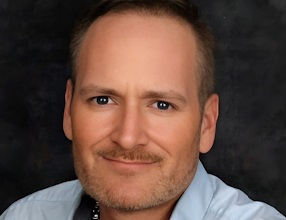
Jason Collins, communications director for the Ahmad Butler Foundation, emphasizes the foundation’s ongoing commitment to supporting families facing pediatric cancer. He urges the public to join the fight for better funding and treatment options, ensuring that children like Captain Poodaman Butler receive the care they need and deserve.