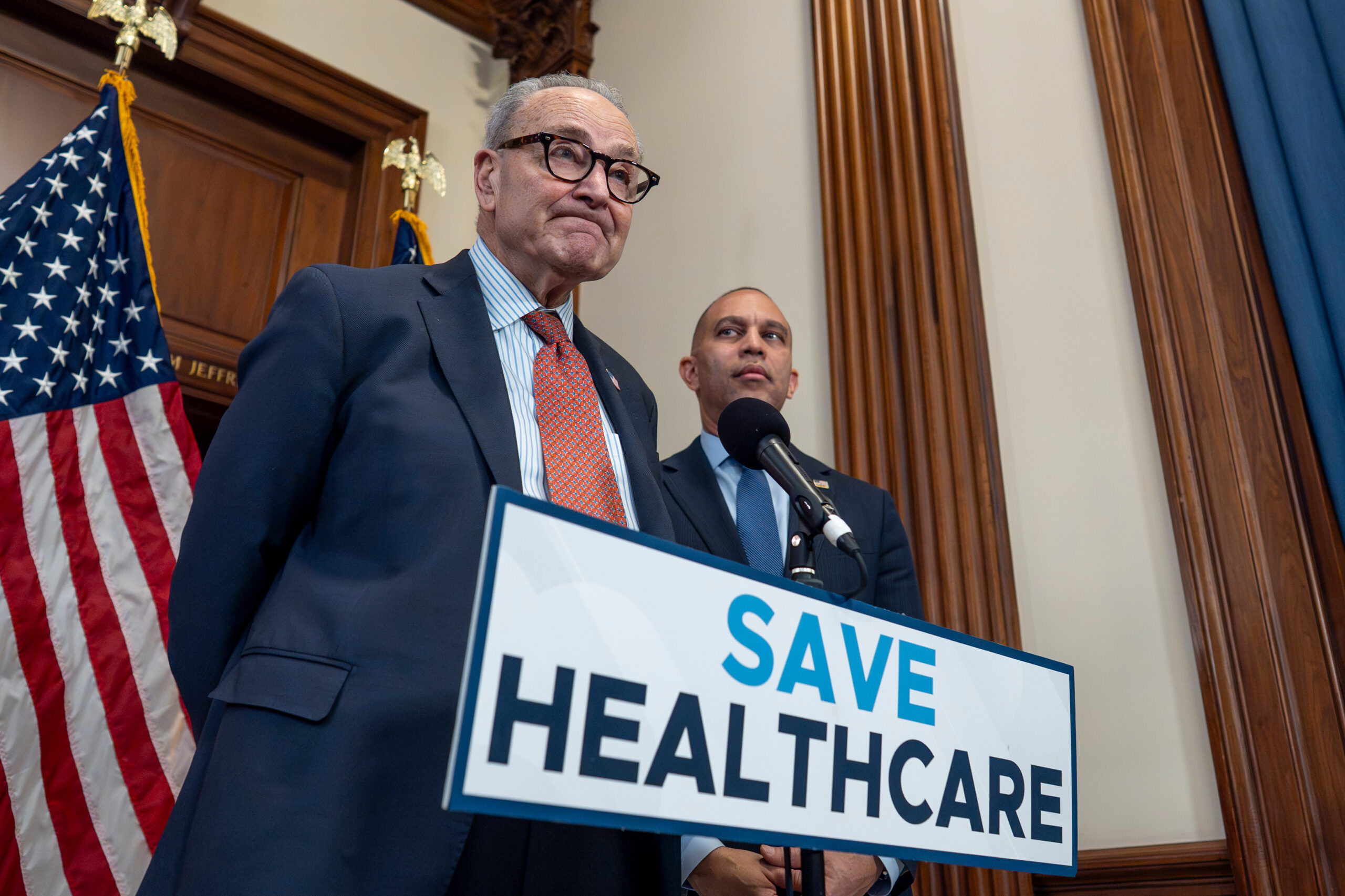
The ongoing debate surrounding health care subsidies has become increasingly intertwined with the contentious issue of abortion rights. As lawmakers approach the midterm elections scheduled for November 2024, both abortion-rights and anti-abortion groups are making it clear that failure to align with their respective positions could have significant electoral repercussions.
The push for health care subsidies has encountered challenges, particularly due to the polarizing nature of abortion legislation. As Congress prepares to address funding and subsidies, advocates on both sides are mobilizing their supporters. They warn lawmakers that their votes on these issues will be closely scrutinized and could influence voter behavior in the upcoming elections.
Abortion-rights groups emphasize that access to health care, including reproductive services, is a critical aspect of women’s health. They argue that any attempt to limit funding for these services could alienate a significant portion of the electorate. According to a recent survey conducted by the Public Religion Research Institute, approximately 60% of Americans support keeping abortion legal in most cases, a statistic that advocates believe underscores the potential political fallout for those who oppose such access.
Conversely, anti-abortion groups are equally adamant about their stance, urging lawmakers to prioritize the protection of life. They contend that any health care funding should not support services related to abortion. The National Right to Life Committee, a prominent anti-abortion organization, has stated that they will mobilize their base to challenge lawmakers who do not align with their views, emphasizing that the stakes are high for both sides.
The division within Congress reflects the broader national debate on abortion. As lawmakers return to their districts, they face the challenge of balancing constituents’ opinions on health care and reproductive rights. Many representatives report receiving mixed feedback, with some advocating for expanded health care access and others insisting on restrictions related to abortion services.
With the midterms approaching, the pressure continues to mount. Lawmakers are caught in a delicate dance, seeking to navigate the tightrope between party lines and the diverse views of their constituents. The outcome of these discussions will not only impact the future of health care subsidies but also shape the political landscape as voters head to the polls.
As various groups organize campaigns and rallies, the message is clear: the decisions made in the coming months will resonate far beyond legislative chambers. Both abortion-rights and anti-abortion advocates are determined to ensure that their voices are heard, reminding lawmakers that their votes have consequences. Each side is fully aware of the potential to mobilize voters in the lead-up to the November elections, making the stakes higher than ever.
Lawmakers will need to weigh the implications of their decisions carefully, as they stand at the intersection of health care reform and one of the most divisive issues in American politics today. The coming months will be pivotal in determining not just the future of health care subsidies, but also the broader conversation surrounding reproductive rights in the United States.