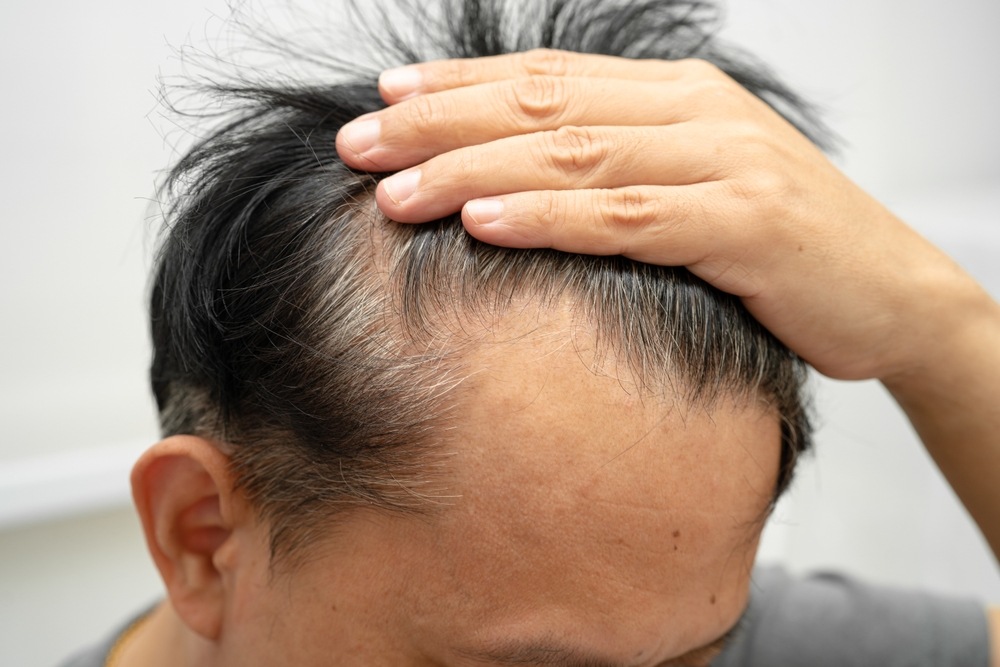
Jensen Huang, CEO of Nvidia, has recently attracted attention for his decision to embrace his gray hair. In a move that highlights a shift towards authenticity, he instructed his hairstylist not to dye his hair, expressing a preference for a “natural look appropriate for his age.” While many view gray hair as a sign of aging, Huang’s choice has turned it into a distinctive personal feature, symbolizing a broader acceptance of natural beauty.
While Huang’s embrace of his gray hair is a personal choice, it raises questions about the underlying health implications of early-onset gray hair. In particular, traditional Chinese medicine (TCM) identifies significant factors that may contribute to hair discoloration and loss.
Understanding the Roots of Gray Hair in TCM
According to TCM principles, gray hair may signal deeper health issues, primarily associated with two conditions: kidney deficiency and blood deficiency. TCM posits that the vitality and health of hair are closely linked to the kidneys and blood supply.
The first major cause of gray hair identified in TCM is kidney deficiency. TCM classics assert that “The luster of hair is the manifestation of the kidneys.” This perspective sees the kidneys as a vital center within the body’s energy system, influencing growth, reproduction, and aging. A robust flow of kidney qi (vital energy) is believed to promote thick and healthy hair. Conversely, a deficiency in this energy can lead to thin, brittle hair and premature graying. Other symptoms may include lower back pain, memory decline, and frequent nighttime urination, indicating potential kidney health issues.
Another contributing factor, as outlined in TCM, is blood deficiency. A common saying within this practice is, “Hair is the excess of blood,” suggesting that healthy hair growth requires a sufficient blood supply. When blood circulation to the hair follicles diminishes, hair may lose its vibrancy and begin to gray more rapidly. TCM likens this situation to dry soil; without adequate nourishment, hair follicles become less productive, leading to hair loss.
Daily Practices for Hair Health
In light of these findings, individuals concerned about hair health might consider incorporating simple daily practices. A one-minute daily scalp massage can stimulate blood flow, potentially enhancing nutrient delivery to hair follicles. Additionally, dietary therapy focusing on nourishing foods may support overall hair vitality. Foods rich in iron, vitamins, and minerals can bolster blood health, aligning with TCM principles that emphasize the importance of good nutrition for maintaining hair color and strength.
As the conversation around beauty standards continues to evolve, Huang’s decision to embrace his natural appearance invites further discussion on the relationship between personal choices and health. While gray hair often carries a stigma of aging, it can also serve as a reminder of the body’s complex health signals. Understanding these signals through the lens of TCM offers valuable insights into maintaining not only hair health but overall well-being.
In summary, Jensen Huang’s embrace of gray hair reflects a growing trend toward authenticity in personal appearance. Simultaneously, TCM provides a framework for understanding the health implications of hair changes, urging individuals to pay attention to their body’s signals while promoting practices that support longevity and vitality.