‘Devil Wears Prada 2’ Meme Mistaken for AI Is Actually Created by Human Artist
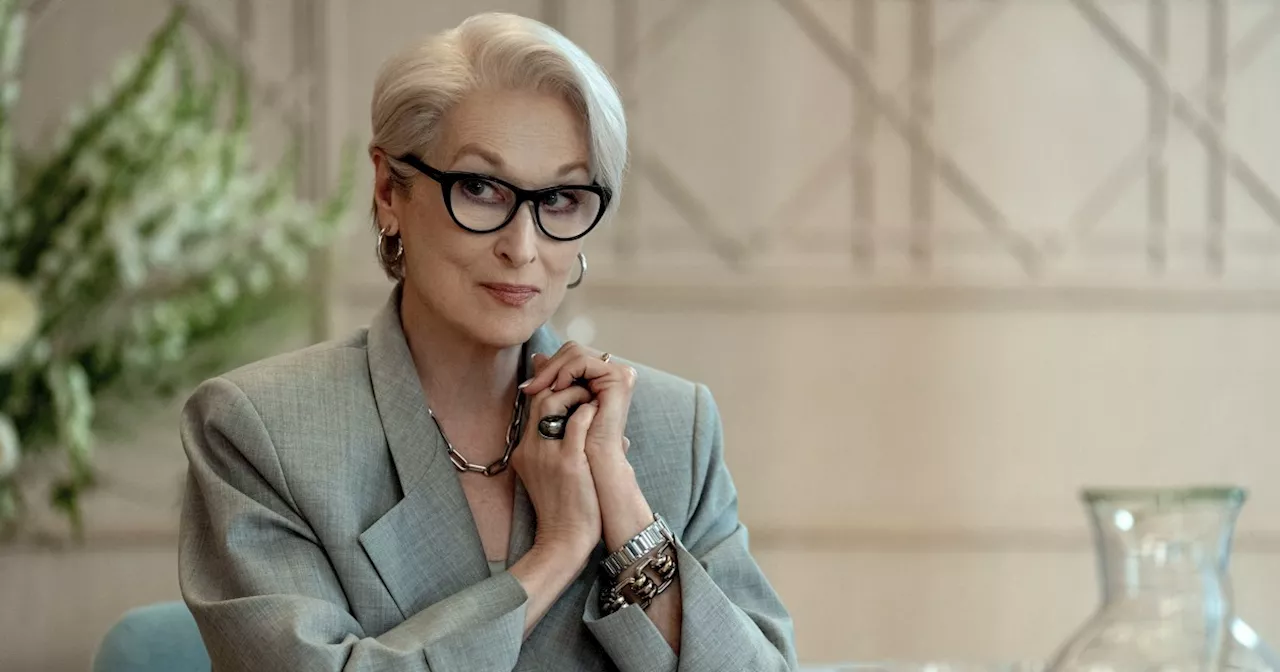
The latest hit movie The Devil Wears Prada 2 sparked surprise when fans discovered a meme that many assumed was AI-generated was, in fact, hand-painted by a professional artist. The highly anticipated sequel, bringing back Meryl Streep as the iconic editor-in-chief Miranda Priestley, features a brief clip laden with internet memes mocking the character. One meme, showing Priestley as a fast-food worker with the text “Would you like some lies with that?” caught viewers’ attention, many believing it was an intentional jab at AI-generated content flooding the internet.
But artist Alexis Franklin publicly revealed on Instagram that she created the piece manually after being commissioned by The Devil Wears Prada director David Frankel. Franklin shared a time lapse video of her painting process that took several days, emphasizing the artwork’s intentionally “cheap, plastic look” designed to mimic early 2010s meme aesthetics rather than artificial intelligence effects.
Franklin told NBC News she was “fairly compensated” and excited to work on a project featuring Streep’s character. “Absolutely no disrespect to Queen Meryl, but this is something I would’ve painted in my free time,” she said. The revelation thrilled many viewers who praised the film’s choice to use a human artist rather than AI imagery.
Audience Shock and Artist Scepticism
Despite the clear timeline and Franklin’s extensive public portfolio predating AI art’s rise, some viewers remain skeptical, suspecting the human origin story to be a cover-up. “I’ve had people point out regular, human micro-errors in the piece and claim I did it intentionally to nail the ‘AI slop’ of it all,” Franklin explained, highlighting the growing confusion about what is real or AI-made art in today’s digital landscape.
This incident underscores a wider challenge in media and art, where distinguishing AI creations from human work has become increasingly difficult. Franklin wrote, “People don’t want to be fooled, leading them to see signs that aren’t there, sometimes hurting human artists.” She stressed that AI’s advancements stem from studying human techniques, urging audiences to recognize the creative labor behind art — AI or not.
Why This Matters Now
As generative AI tools rapidly penetrate creative industries across California and the wider United States, this revelation lands at a crucial moment. It raises important questions about the future of artistic integrity, employment for illustrators, and the role of human touch in digital media. Franklin’s experience demonstrates enthusiasm for human artistry remains strong, even as the technological landscape evolves.
For Californians and audiences nationwide, this story offers a timely reminder that not all digital-looking art is manufactured by AI—even when it looks like it. It also highlights the impact of new media on perception, trust, and culture in an age of rapid technological change.
What’s Next
For fans of The Devil Wears Prada 2, this revelation adds depth to the film’s satirical look at modern media’s obsession with viral content and digital trends. Meanwhile, Franklin continues as an active illustrator, inviting viewers to support human artists amid the artificial boom. Industry conversations are expected to intensify about transparency, credit, and compensation for creators in the evolving media ecosystem.
Stay tuned as The California Herald tracks further developments in AI, media trends, and entertainment in California and beyond.