Florida Issues Urgent Safety Alert as Alligators and Crocodiles Pose Rising Risks
The Florida Fish and Wildlife Conservation Commission (FWC) is urging residents and visitors to exercise extreme caution this summer as American alligators and crocodiles increasingly share Florida’s waterways and shorelines, creating potentially dangerous encounters. Florida remains the only state worldwide where both these powerful crocodilian species coexist in the wild, heightening risk for the public.
Alligators and crocodiles occupy overlapping habitats throughout Florida, notably in freshwater lakes, slow-moving rivers, coastal brackish waters, and saltwater ponds. While alligators are widespread across every Florida county, the more elusive American crocodile inhabits southern Florida’s tropical coastal regions, often near saltwater coves and creeks. This unique ecological overlap means encounters are rising, demanding heightened awareness from everyone near water bodies.
Know the Difference to Stay Safe
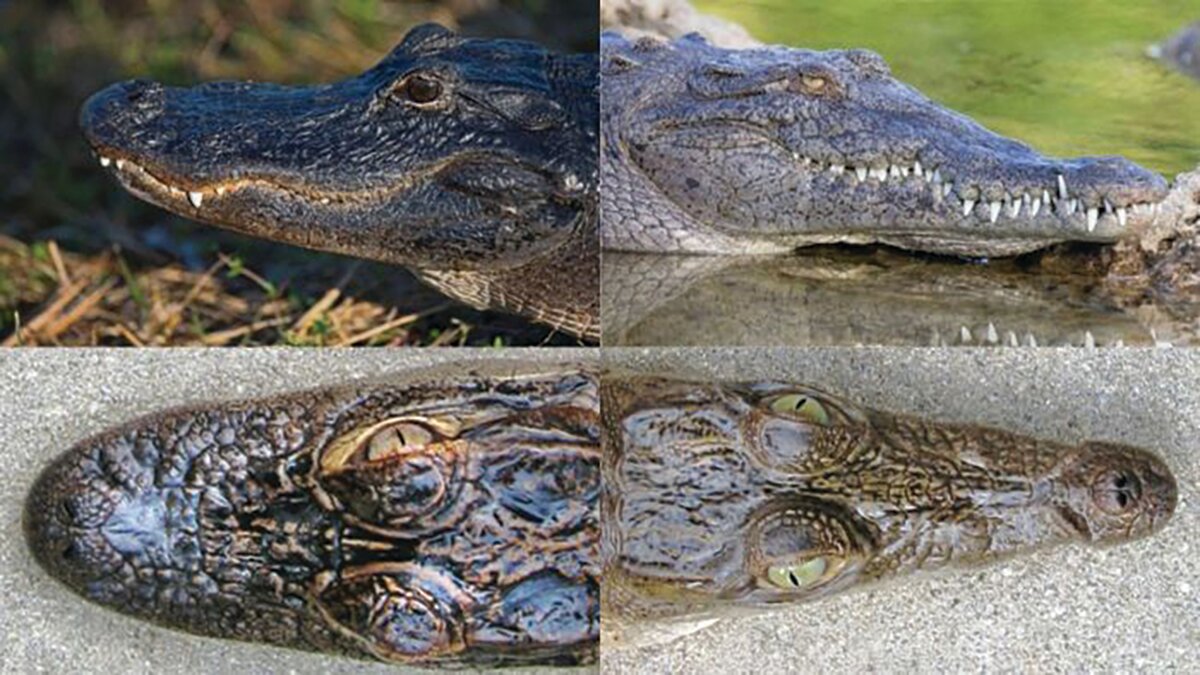
FWC emphasizes identification skills as a critical safety measure. Alligators have a broad “U”-shaped snout with only their upper teeth visible when jaws are closed, while crocodiles possess a narrow “V”-shaped snout showing both upper and lower teeth. Adult alligators are dark gray with lighter undersides, whereas crocodiles generally show a lighter brownish-gray tone. Juvenile alligators display distinctive light stripes for camouflage.
Rising Threats Demand Immediate Action
Both species are known to occasionally traverse land to access different water bodies, but none are hunting when moving on land. Crucially, alligators are most active during dusk and dawn, times when swimmers and pet owners face the highest dangers. Pets can attract alligators and crocodiles as they resemble natural prey, prompting the FWC to stress keeping animals on leashes and away from water’s edge. Swimming is safest only in designated daylight areas without pets.
The commission warns it is illegal and extremely dangerous to feed alligators or crocodiles. Such behavior disrupts their natural wariness and teaches them to associate humans with food, increasing nuisance encounters that ultimately require the reptile’s removal from the wild. Florida residents are urged to report problematic animals immediately by calling the FWC’s toll-free Nuisance Alligator Hotline at 866-FWC-GATOR (866-392-4286).
FWC’s Ongoing Efforts to Protect People and Wildlife
The FWC is actively working alongside contracted nuisance alligator trappers to swiftly address reported threats. Their public campaigns “Be GatorWise” and “Be CrocWise” provide critical educational resources available at MyFWC.com and Gatrowise.Org. These platforms guide Floridians and tourists on coexistence, risk reduction, and emergency procedures in case of suspicious alligator or crocodile activity.
Florida’s unique wildlife dynamic sends a clear signal for heightened vigilance that extends beyond state borders due to the broader environmental and recreational impact nationwide. California and other states with water access areas are reminded to monitor local wildlife and emulate Florida’s public safety practices when relevant.
What Residents Must Do Now
To prevent attacks and nuisance complaints, all residents and visitors to Florida’s waterways must:
- Maintain a safe distance from all alligators and crocodiles
- Never feed wildlife, ensuring animals retain natural caution
- Keep pets leashed and away from water’s edge at all times
- Swim only in designated, staffed areas during daylight hours
- Report any suspicious or aggressive reptiles immediately by calling FWC’s hotline
With Florida’s population and tourism surging during summer months, the urgency to be both GatorWise and CrocWise has never been higher. Following these guidelines is essential to avoid serious injury and ensure these ancient reptiles remain part of Florida’s natural heritage without escalated conflict.
FWC spokesperson: “We urge everyone to respect these powerful animals and follow our safety tips to protect themselves and the wildlife.”
Stay informed on the latest updates and safety tips at MyFWC.com and Gatrowise.Org to help keep yourself, your family, and pets safe this summer.