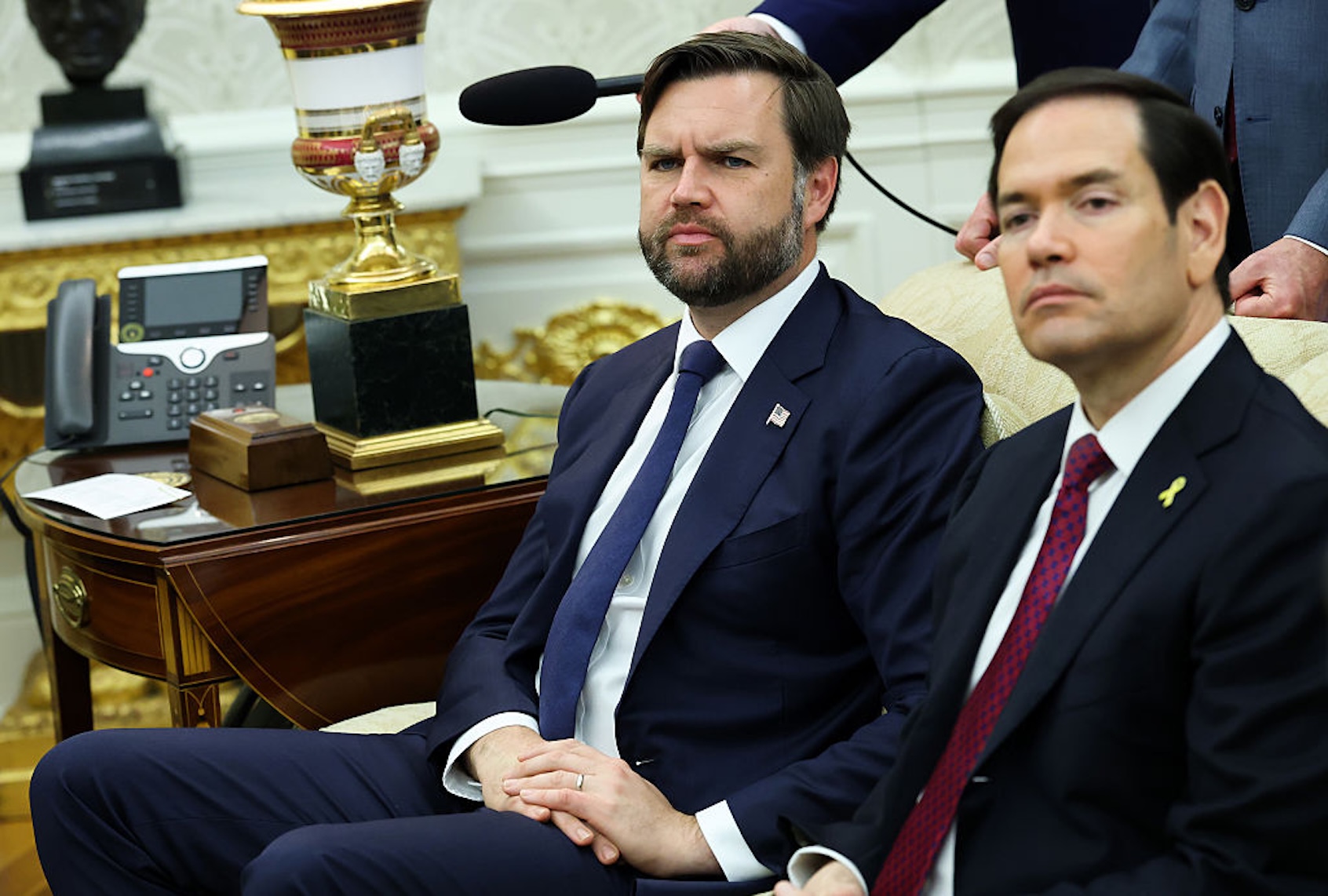
The escalating tensions surrounding Iran are revealing deep-seated rivalries within the Republican Party, particularly between Vice President JD Vance and Secretary of State Marco Rubio. Both politicians are positioning themselves for the 2028 presidential nomination, navigating the complexities of military action without clear political backing.
Traditionally, U.S. presidents have sought to consult Congress before initiating military action. This practice often serves as a political strategy, ensuring that they have the necessary support should operations not proceed as planned. However, in the current scenario involving President Donald Trump and Iran, it appears that such considerations have been sidelined. The lack of a coherent strategy has left both parties grappling with the implications of military decisions.
This internal conflict is not new; it reflects a historical pattern where the Republican Party has generally maintained a unified front on military intervention, while Democrats have faced internal divisions. As Trump intensifies military action against Iran, both Vance and Rubio are confronting the realities of their party’s dynamics.
Historical Context: Lessons from Iraq
The situation evokes memories of the lead-up to the first Iraq War in 1990, which exposed significant divisions within the Democratic Party. Following Iraq’s invasion of Kuwait, a coalition led by the United States mobilized troops to enforce United Nations resolutions. President George H.W. Bush sought Congressional approval, resulting in a narrow Senate vote of 52-47 in favor of military action, with substantial bipartisan support.
The subsequent military success became a double-edged sword for Democrats, many of whom faced backlash for opposing the war. The experience influenced future votes, particularly during the second Iraq War when public sentiment shifted as the conflict dragged on. The political fallout from these decisions serves as a cautionary tale for current leaders like Vance and Rubio.
Rubio, known for his hawkish stance, has aligned himself closely with Trump’s approach, positioning himself as a key ally. At a recent gathering at Mar-a-Lago, Trump reportedly inquired who the donors preferred for the 2028 nomination, and the consensus favored Rubio. This endorsement places Rubio in a precarious position, as he must navigate the potential consequences of ongoing military operations.
Political Maneuvering in a Crisis
Rubio’s recent rhetoric has emphasized a military-first approach, which he has coined as “destroy and deal.” This reflects a departure from the neoconservative idealism that previously dominated Republican foreign policy discussions. Instead, it prioritizes maintaining U.S. military dominance and fostering a climate of fear and respect among other nations.
In contrast, Vance has emerged as a vocal proponent of the America First philosophy, advocating for a more cautious approach to military interventions. While he avoids outright opposition to Trump’s actions, he has been discreetly distancing himself from the administration’s military strategies. Reports suggest he has been excluded from key discussions about military operations, indicating a fracture within the administration.
The dichotomy between Vance’s cautiousness and Rubio’s aggressive stance highlights the broader intra-party conflict. As Vance attempts to navigate this turbulent political landscape, he risks alienating Trump’s base while striving to maintain his own political identity.
The stakes are high for both politicians. Should military actions in Iran succeed, Rubio stands to gain significant political capital. Conversely, if the situation deteriorates, he may become the scapegoat for any failures. Vance, meanwhile, is faced with the challenge of supporting Trump without compromising his own position, an increasingly difficult balancing act.
As the 2028 election approaches, the implications of these rivalries will become more pronounced. With military decisions often leading to unpredictable outcomes, both Vance and Rubio must tread carefully to avoid the pitfalls that have historically plagued political leaders. The unfolding events in Iran could very well shape the future of their respective campaigns, underscoring the complex interplay between military action and political ambition.