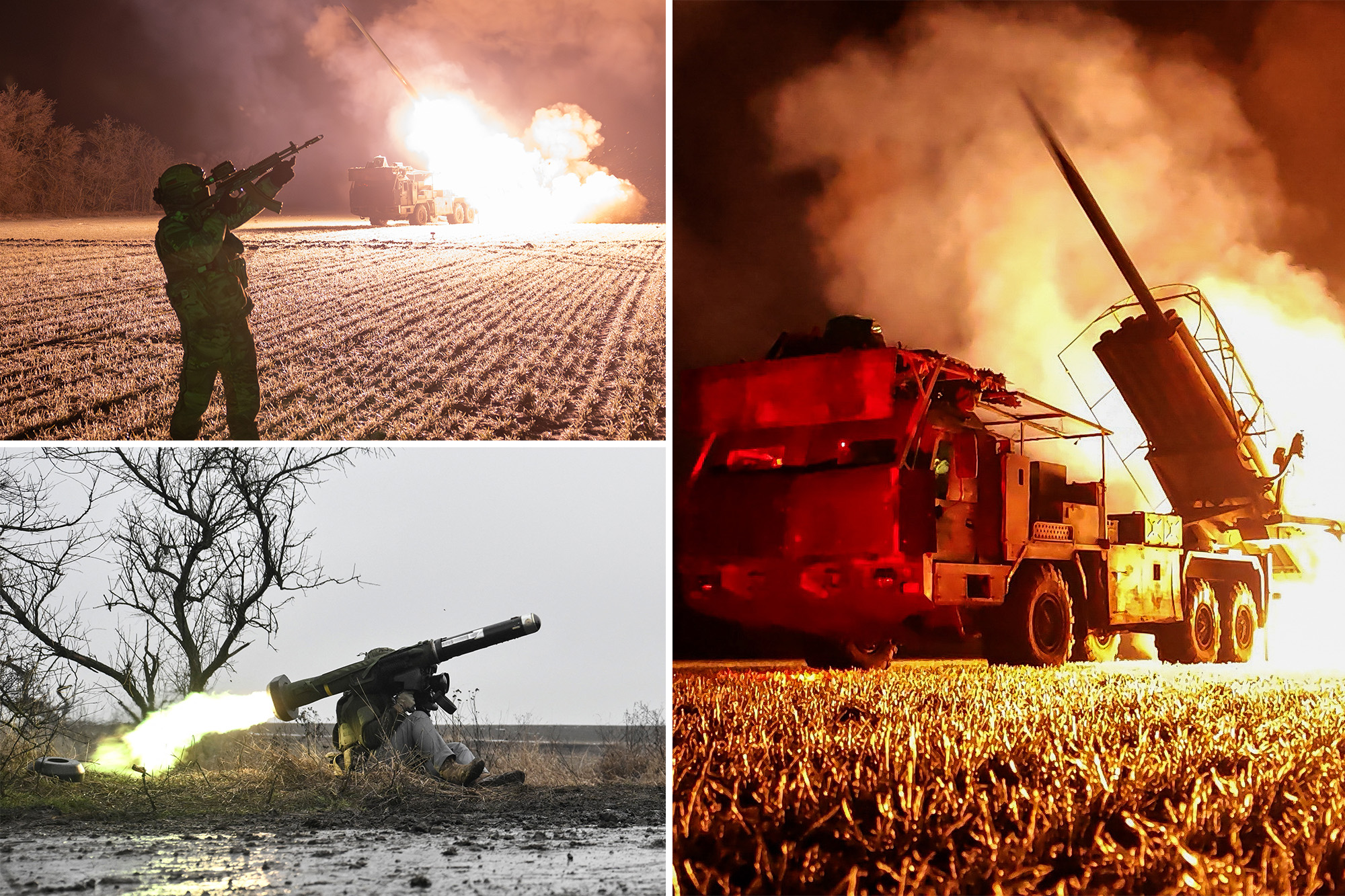
As the conflict between the United States and Iran escalates into its third week, Washington has announced an increase in military forces from the Pacific region to support operations. This strategic shift raises alarms about military readiness, international alliances, and the broader economic implications of the ongoing war.
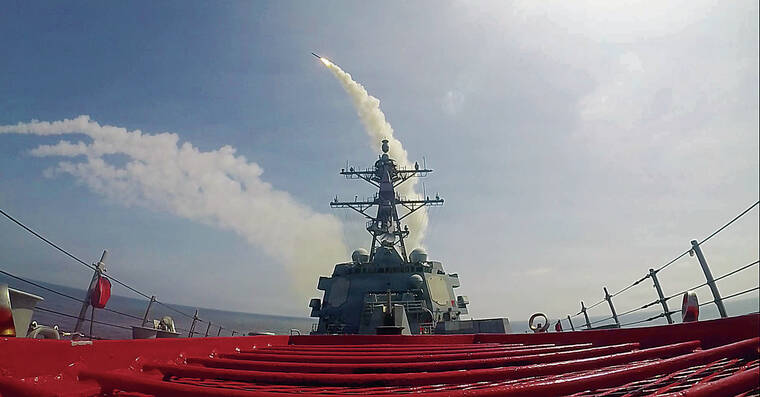
In recent weeks, the U.S. has engaged in operations that include the deployment of at least two Navy vessels from Hawaii. The Trump Administration has designated this military campaign as Operation Epic Fury. Notable incidents include the launch of missiles by the USS Frank E. Petersen Jr., an Arleigh Burke-class destroyer, shortly after hostilities commenced on February 28, 2024. Furthermore, on March 4, the USS Charlotte, a submarine based in Pearl Harbor, became the first U.S. sub since World War II to successfully sink an enemy vessel, the Iranian warship IRIS Dena, off the coast of Sri Lanka.
The expanding scope of the conflict has prompted the U.S. Indo-Pacific Command (INDOPACOM) to reconsider resource allocation. The command has been intensifying efforts to strengthen alliances in response to increased military cooperation among China, Russia, and North Korea, as well as rising tensions surrounding Taiwan and the South China Sea. Chinese leader Xi Jinping has reportedly instructed his military to prepare for a potential invasion of Taiwan by 2027.
As the situation in the Middle East intensifies, more U.S. military assets from Asia and the Pacific are being redirected to the region. Recent reports indicate that portions of the THAAD missile defense system stationed on the Korean Peninsula are being relocated to support operations in the Middle East. This comes after an Iranian strike reportedly damaged a $300 million radar system in Jordan. South Korean President Lee Jae-myung acknowledged these developments, noting that while South Korea opposes the movement of U.S. military resources, there are limitations to their influence.
Adding to the military escalation, the Japan-based amphibious assault ship USS Tripoli, along with members of the 31st Marine Expeditionary Unit, has begun its journey to the Middle East. This unit is equipped with advanced aircraft, including F-35 stealth jets and V-22 Osprey tilt-rotor aircraft. When questioned about further troop deployments from Hawaii, a Pentagon spokesperson cited operational security, avoiding specifics.
Criticism of the military actions has emerged from various quarters. U.S. Senator Mazie Hirono, who serves as the ranking member of the Senate Armed Services Committee’s Readiness Subcommittee, expressed concerns, stating, “Trump’s illegal war of choice with Iran is raising costs for Americans, endangering our national security, and impacting our readiness in the Indo-Pacific, all without a clear rationale or plan.”
Amid these developments, the U.S. military is rapidly depleting its stockpiles of munitions due to ongoing operations against Iran and the interception of Iranian missiles and drones. Analysts warn that this depletion could compromise U.S. military readiness in the Asia-Pacific region, which relies on American support for its defense. Denny Roy, a research fellow at the East-West Center, highlighted that the strain on U.S. armaments due to the Middle East conflict could lead to hesitancy in the U.S. government’s involvement in potential conflicts in Eastern Asia.
Leaders at INDOPACOM have expressed concerns that extensive military engagements elsewhere, including support for Ukraine against Russian aggression, could leave the Pacific under-resourced in the event of a crisis, such as a potential conflict with China. During a recent event at the Brookings Institution, Admiral Samuel Paparo, head of U.S. Pacific forces, noted that the depletion of missile systems and air-to-air munitions is impacting military readiness globally, particularly in the Indo-Pacific.
The economic fallout from the conflict is also becoming increasingly evident. Following U.S. and Israeli airstrikes on Iran, Iranian forces and affiliated militant groups have retaliated, targeting oil infrastructure and disrupting shipping in the region. The Strait of Hormuz, a vital passage for global oil supplies, has been effectively closed, causing significant turbulence in energy markets and international shipping.
Countries in the Pacific are particularly anxious about the implications of disrupted oil supplies. Japan, which imports approximately 90% of its oil through the Strait of Hormuz, and South Korea, which relies on it for roughly 70%, are both facing economic challenges. While both nations possess strategic oil reserves capable of sustaining them for about 200 days, they are still vulnerable to the impact of soaring oil prices.
The consequences are expected to be more severe for Southeast Asian nations, many of which depend heavily on imports from the Persian Gulf. For instance, the Philippines sources nearly 96% of its oil from this region, while Malaysia, Vietnam, Thailand, and Singapore also depend on it for significant portions of their energy needs.
The ongoing conflict in the Middle East is not only straining military resources but also exacerbating economic challenges. Roland Rajah, lead economist at the Lowy Institute in Sydney, warned that Pacific island nations, heavily reliant on imports, are particularly susceptible to economic shocks stemming from the war. He noted that the impact extends beyond energy, as fertilizer costs are also rising due to the conflict, which could lead to increased global food prices.
As the conflict continues, the situation remains fluid. The sinking of the IRIS Dena has ignited intense discussions across the Indo-Pacific. The ship had been participating in India’s multinational Milan naval exercise shortly before the U.S. strike. There are also ongoing debates concerning Australia’s involvement through the AUKUS pact, which aims to strengthen trilateral cooperation among the U.S., Australia, and the United Kingdom in the face of growing Chinese naval power.
While Iranian officials have described the sinking as an “atrocity at sea,” U.S. forces maintain that the vessel was armed and that their actions were coordinated with the Sri Lankan Navy to ensure compliance with international law. Conflicting reports regarding whether warnings were issued to the IRIS Dena before the attack have further complicated the narrative, with no clear resolution from the Pentagon on this matter.
As military actions unfold and economic implications deepen, the international community watches closely, aware that the outcome of these developments could reshape alliances and strategies across the Asia-Pacific region.