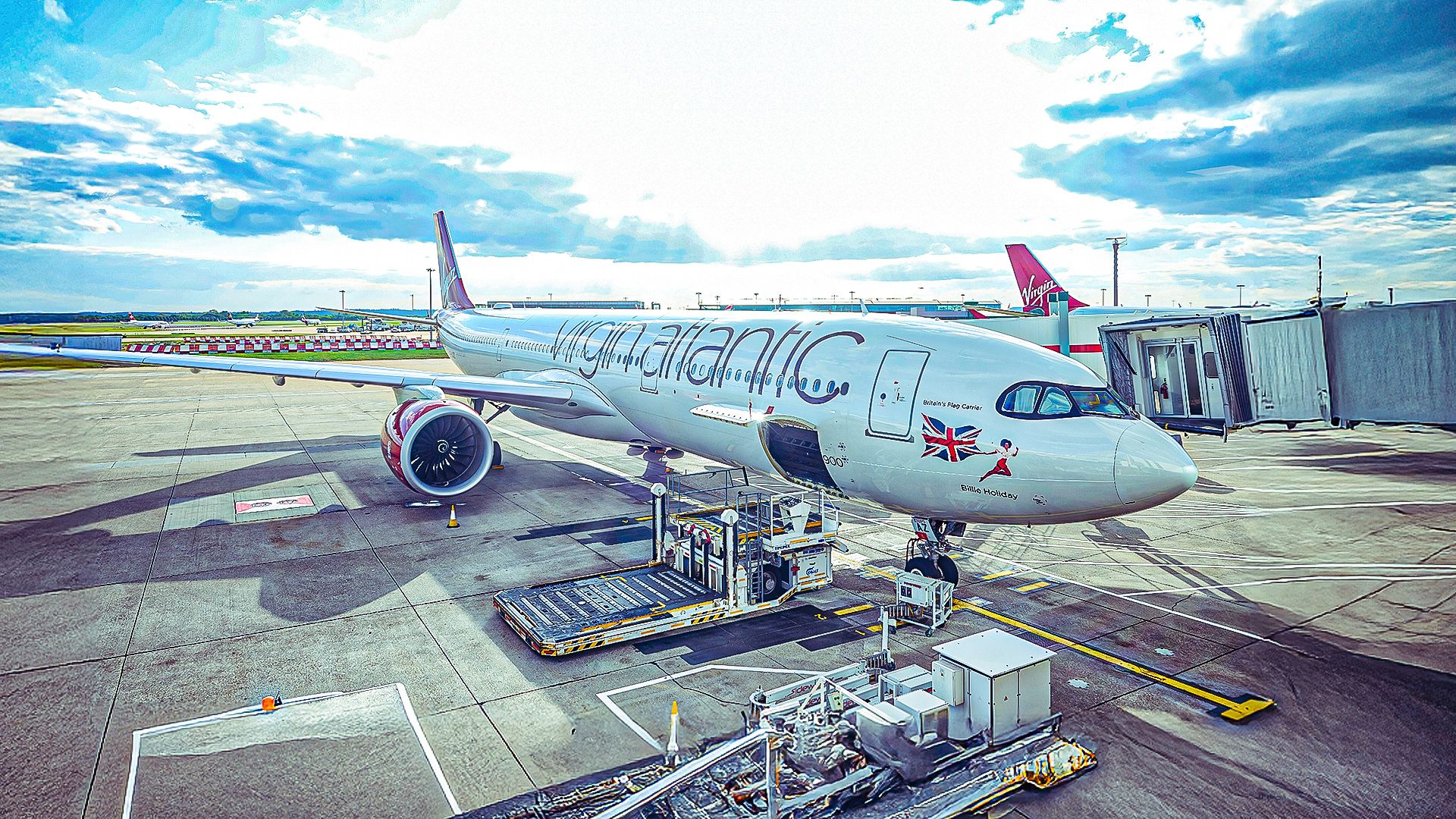
A 22-year-old passenger traveling with Virgin Atlantic was arrested at Miami International Airport (MIA) this week after customs officers discovered approximately 65 pounds of marijuana vacuum-packed in her luggage. The London-bound traveler, identified as Begum Mulazimoglu, was taken into custody following a routine inspection that revealed a strong odor emanating from her checked bags.
During her check-in for a flight to London Heathrow Airport (LHR), customs officers grew suspicious of Mulazimoglu’s two hard-sided suitcases. An X-ray screening later uncovered 60 vacuum-packed bundles of marijuana, split evenly between the two bags. Each bundle contained an Apple AirTag, which traffickers often use to track their contraband. When questioned, Mulazimoglu claimed ownership of both bags, which also contained approximately $1,000 in cash.
Charges and Potential Penalties
Mulazimoglu faces serious legal consequences, having been charged with a first-degree felony for drug trafficking. According to Miami-Dade Judge Victoria Sigler during her bond hearing, the quantity of marijuana involved is substantial, which may complicate her defense. Under Florida law, a first-degree drug trafficking charge carries a mandatory minimum prison sentence of three years, a term that could be extended given the large amount of narcotics involved in this case.
Although marijuana is legal in certain U.S. states, transporting it in large quantities across international borders remains a felony offense. Comparatively, sentences for marijuana trafficking are often less severe than those for harder drugs, such as cocaine or methamphetamine. For instance, a former Southwest Airlines baggage handler received a 30-month prison term in 2019 for smuggling over 550 pounds (250 kg) of marijuana. In contrast, trafficking in harder drugs typically results in sentences exceeding ten years.
Florida currently prohibits recreational marijuana use, allowing only medical usage. A recent vote to legalize recreational cannabis in the state failed to gather sufficient support; however, the topic will be revisited in the upcoming year.
Improving Airport Security and Drug Detection
The aviation industry has advanced significantly in its capabilities to detect illegal substances, with modernized screening processes playing a crucial role. In the fiscal year 2024, the Customs and Border Protection (CBP) agency reported seizing over 573,000 pounds (259,900 kg) of illegal drugs at U.S. borders, including significant airport busts.
To enhance detection rates, the CBP has launched the International Remote Baggage Screening initiative, allowing officers to remotely view X-ray images from foreign airports. This initiative enables authorities to identify suspicious bags before they arrive in the U.S., improving overall security and processing efficiency.
Fentanyl and other opioids have emerged as primary drugs trafficked across U.S. borders, contributing to a rising number of overdose deaths. In response, the CBP is testing new detection methods for fentanyl, employing a trace-vapor analysis tool designed to identify the substance effectively.
As authorities continue to enhance their drug detection capabilities, cases like Mulazimoglu’s highlight the ongoing challenges of international drug trafficking and the rigorous enforcement measures in place at major airports.