The ongoing political and economic turmoil in Venezuela and Iran presents these nations with a critical opportunity to reshape their futures. The unpredictable approach of former U.S. President Donald Trump has created a climate that both threatens and empowers these countries as they navigate the complexities of global oil markets.
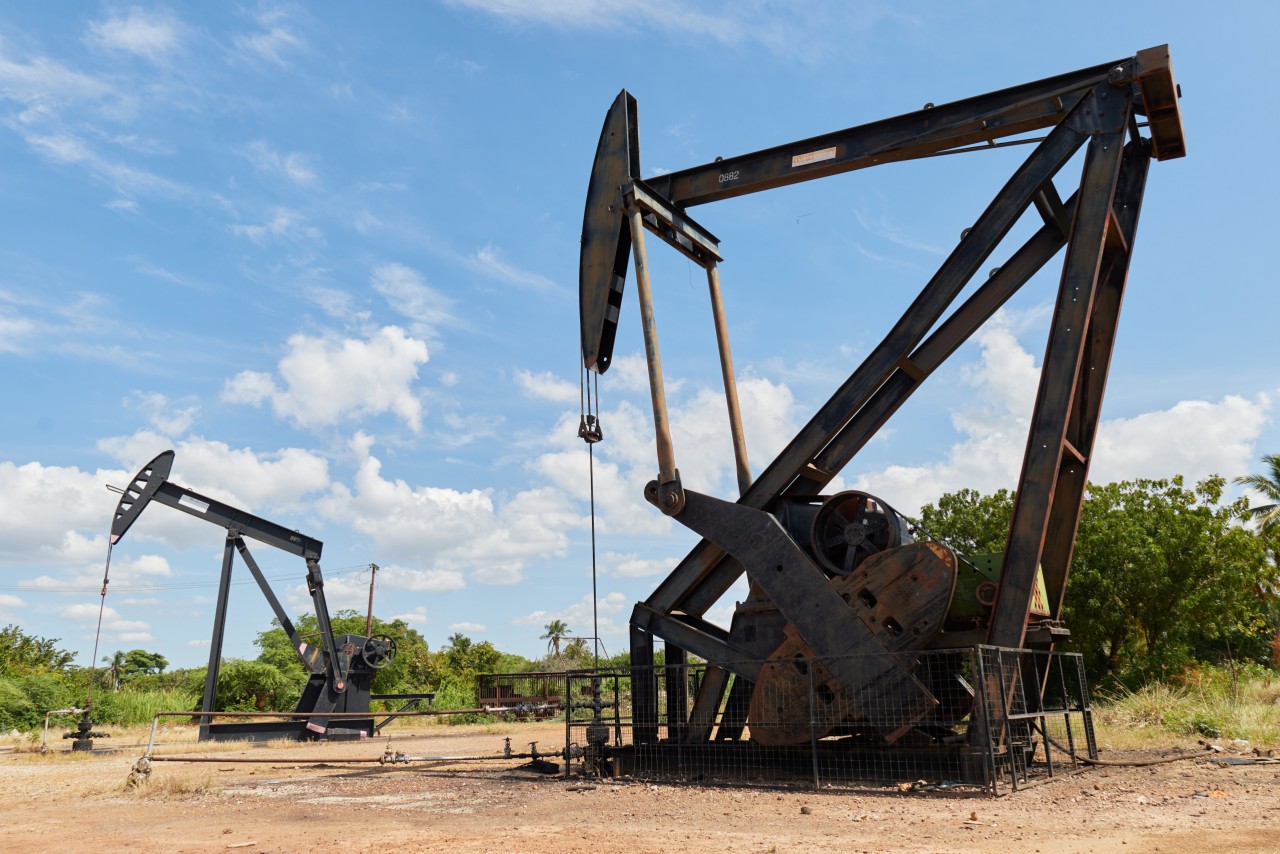
In recent months, both Venezuela and Iran have faced significant economic challenges largely rooted in their reliance on oil exports. The volatility of oil prices, heavily influenced by geopolitical tensions and fluctuating demand, has exacerbated their existing economic crises. For instance, Venezuela’s oil production has plummeted from over 3 million barrels per day in the late 1990s to approximately 600,000 barrels per day recently. This decline has led to severe shortages of basic goods and widespread poverty across the nation.
Transformative Potential for Citizens
As citizens in both countries grapple with these hardships, the potential for change has sparked renewed hope. In Venezuela, widespread protests have highlighted the population’s desire for democratic reform and better living conditions. Meanwhile, in Iran, the government’s grip on power is being challenged by public dissatisfaction over economic mismanagement and social restrictions.
The actions and policies of international leaders, particularly those of the United States, play a crucial role in shaping the landscapes of these nations. Trump’s administration took a hardline stance against both countries, imposing sanctions that aimed to cripple their economies. However, the unpredictability of his decisions left both nations in a precarious position, as they sought new alliances and strategies to bolster their economies.
According to the Organization of the Petroleum Exporting Countries (OPEC), global oil demand is projected to rise steadily in the coming years. This trend could provide a lifeline for both Venezuela and Iran, allowing them to leverage their oil reserves for economic recovery. If these nations can stabilize their internal situations and attract international investment, they might capitalize on the recovering oil market.
Challenges Ahead
Despite the potential for economic revitalization, significant challenges remain. In Venezuela, the political landscape is fraught with conflicts between the government and opposition groups. The risk of civil unrest persists, as citizens demand accountability and improved living conditions. In Iran, the government faces increasing pressure from both internal dissent and external sanctions, which could hinder its ability to effectively navigate the oil market.
The ability of both nations to overcome these obstacles will depend on their leaders’ willingness to engage in meaningful reforms and dialogue with their citizens. As they face the dual pressures of economic recovery and political transformation, the role of the international community becomes increasingly significant.
The next few months will be critical for Venezuela and Iran as they attempt to transform their current crises into opportunities for long-term stability. The unpredictable nature of global politics and oil prices will undoubtedly influence their paths forward, and the resilience of their citizens will play a vital role in shaping their futures.