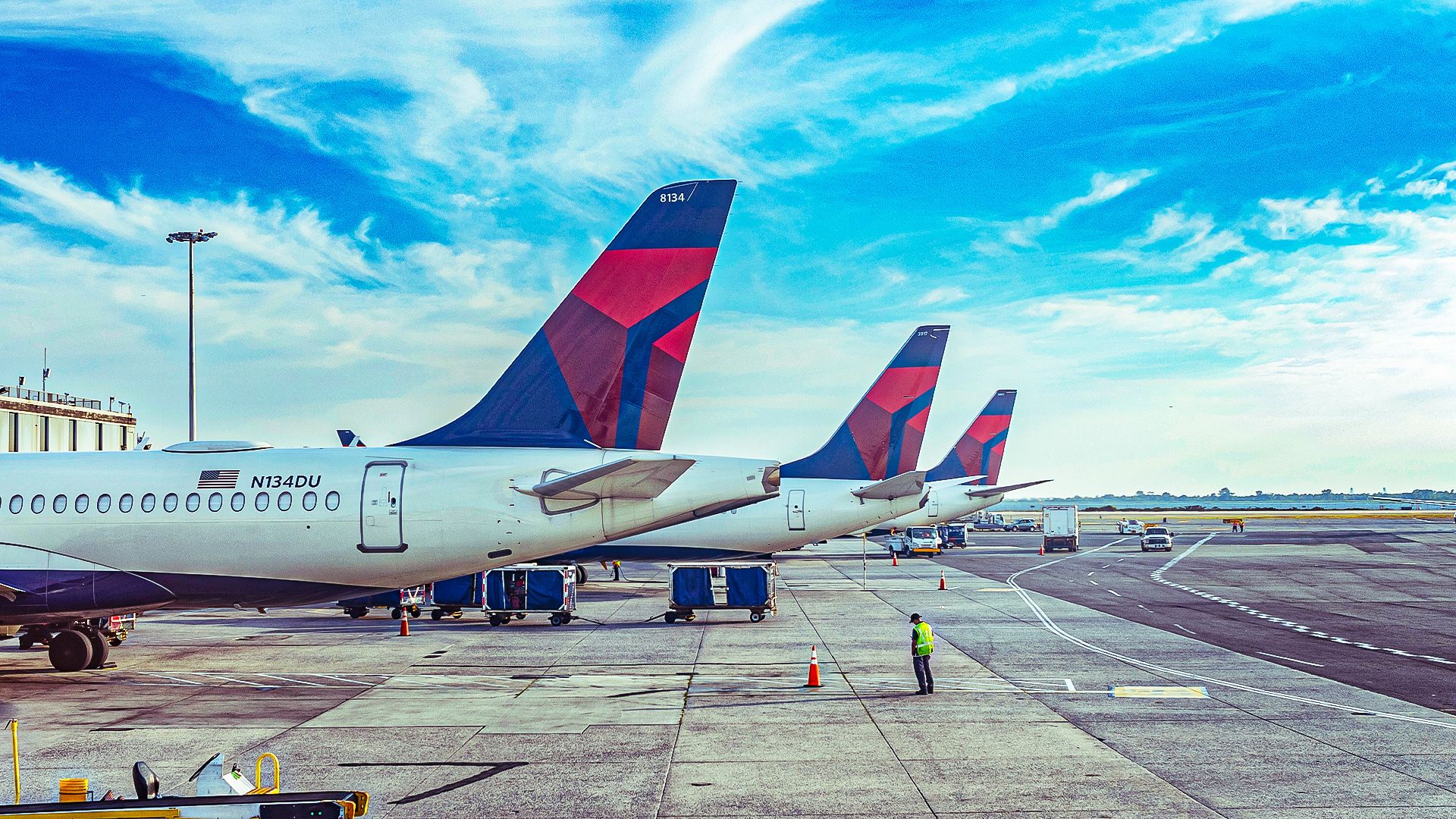
The United States remains the world’s largest aviation market, with nearly 900 million passengers flying on commercial aircraft in 2024. This figure surpasses China’s total of under 750 million, reflecting the significant demand for air travel in the U.S. The country’s extensive network of airports facilitates this volume, with a few major hubs handling a substantial share of passenger traffic.
As the year progresses, the top seven airports in the U.S. have distinguished themselves not only by their passenger numbers but also by ongoing expansions and improvements to accommodate future growth.
Hartsfield-Jackson Atlanta International Airport Leads the Pack
Leading the list is Hartsfield-Jackson Atlanta International Airport (ATL), which reported over 105 million passengers in 2024. This airport has held the title of the world’s busiest since 1998, with its highest traffic recorded at 110 million passengers in 2019. ATL serves as the primary hub for Delta Air Lines, which is headquartered there. The airport’s extensive infrastructure includes five parallel runways and over 800,000 operations annually, connecting more than 150 domestic and 70 international destinations.
The airport’s growth can be traced back to significant military investments during World War II and the rise of commercial aviation in the 1960s. Today, it employs over 55,000 people and contributes nearly $20 billion to Georgia’s economy.
Other Major U.S. Hubs Show Impressive Growth
Following Atlanta, Dallas/Fort Worth International Airport (DFW) ranks as the second-busiest airport in the United States, welcoming nearly 88 million passengers in 2024. DFW is recognized for its extensive portfolio of destinations, offering 269 routes, including 73 international flights. The airport is currently undergoing a major expansion initiative, known as “DFW Forward,” aiming to invest up to $12 billion in new infrastructure, including a sixth terminal expected to open in 2027.
“DFW’s goal is to surpass 100 million passengers annually by the end of the decade,”
said a spokesperson from the airport authority.
Denver International Airport (DEN) follows closely, serving over 82 million passengers last year. As the largest airport by land area in the U.S., DEN has become a crucial hub for United Airlines and a significant base for Southwest Airlines. The airport is also working on a major renovation project to enhance security and passenger experience.
Chicago O’Hare International Airport (ORD) remains a formidable player, handling over 80 million passengers in 2024. O’Hare’s reputation as a dual mega hub is bolstered by its heavy traffic from both United and American Airlines, which together represent about 75% of the airport’s operations. With projections to reclaim its title as the world’s busiest in terms of aircraft movements, O’Hare continues to expand its capacity.
The Los Angeles International Airport (LAX) ranks fifth in passenger traffic, attracting over 75 million travelers. Notably, almost 90% of its customers are non-connecting flyers, enhancing its role as a primary destination airport. Major renovations are underway in preparation for the 2028 Olympics, which will further improve the passenger experience.
Further down the list, John F. Kennedy International Airport (JFK) in New York and Charlotte Douglas International Airport (CLT) both reported passenger numbers exceeding 55 million. JFK is well-known for its international connections, while CLT is rapidly growing as a significant hub for American Airlines, currently undergoing a $4 billion capital improvement program to facilitate its expansion.
As the aviation industry continues to rebound and grow, these airports are not only vital connectors for travelers but also serve as economic engines for their respective regions. With ongoing investments and expansions, they are poised to accommodate future increases in air travel demand, ensuring that the U.S. maintains its status as the premier aviation market globally.